Glass windows kill billions of birds each year. Simple fixes can help.



Glass windows kill as many as 5 billion birds in the United States each year, but humans can mitigate the danger in a variety of easy, low-cost ways. Michaela Haas outlines some recommendations in a piece for Reasons to Be Cheerful.
The problem isn’t just with glass high-rises: according to Audubon experts, “low-rises with four stories or fewer account for more than half of bird collisions (54 percent), closely followed by residential structures (44 percent) and less than one percent at high-rises.”
Solutions include closing blinds or curtains to make the window visible or adding vinyl stickers to break up the reflection. “Putting vegetation or bird feeders close to windows is another deterrent, giving avian migrants a place to land instead of continuing at full speed toward the glass.” Experts recommend planting native vegetation that gives birds a place to rest and feed, particularly in urban environments where green space is scarce.
Light pollution also influences birds’ behavior, disorienting them. Turning off lights at night can help birds maintain their natural rhythms and stay on course during migration.
FULL STORY: We Can Stop Glass Windows From Killing Birds


Embracing Spring: Ways to Reconnect With Nature and Find Joy
This spring, reconnect with nature and enhance your well-being through simple activities like observing plants up close, practicing forest bathing, birdwatching, arranging flowers, and starting a container garden.
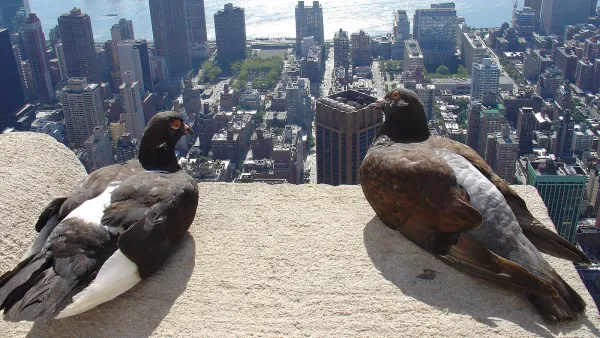
Saving Birds By Design
Reflective glass high-rises kill millions of birds each year, but bird-friendly design can save birds and reduce energy consumption.
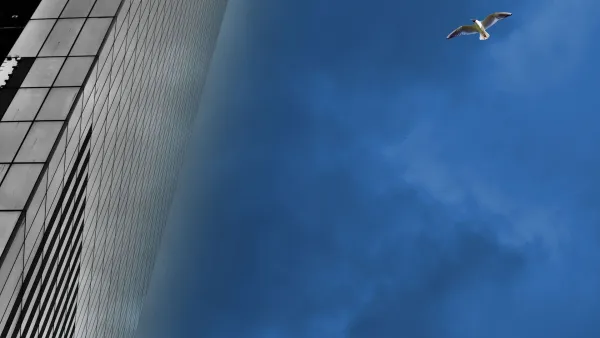
The Biggest Hazard to Birds in New York City—Buildings
In New York City, tens of thousands of birds die each year after colliding with buildings. Policy and design measures can make the city much safer for its feathered inhabitants.

The state-sanctioned urbicide of Austin
People don’t kill cities. Freeways do.

US to reduce Colorado River water deliveries to Mexico
A new Colorado Treaty amendment reduces Mexico’s Colorado River water allocation by 250,000 acre feet.

New Jersey’s second-largest city bans standalone data centers
Jersey City will continue to allow co-location facilities, such as those meant for research institutions that store their own data.

Amtrak not solely to blame for New Jersey commuter rail's unreliability, report finds
A new study from the Garden State Initiative found that NJ Transit’s budget grew 20% across a 4 year period, but reliability declined significantly over the same period.

EPA erases limits on planet-warming pollution from power plants
Under Monday’s plan, power plants would still have some limits on how much mercury, arsenic and other contaminants they can emit.

Phoenix announces new on-demand transit service, more frequent RAPID buses
Both new services will launch in October, and are part of Phoenix's Project Effective Access Solutions for Easing Congestion.

FREE Course: Walkable City 1: Why Walkability?
After describing his path towards focusing on walkability as the essence of good planning, Jeff Speck marches through his five principal reasons for making more walkable places.
Reinventing Malls: Planning Alchemy—Turning Gray Fields Into Gold
The course focuses on the opportunities and imperatives that shape reinvention of mall sites.

Eagle County Government
Harvard University Graduate School of Design
Nashville Planning Department
The Architects Foundation
University of Cincinnati Online
The Pocatello Development Authority
The Urban Renewal Agency of the City of Pocatello
Journal of the American Planning Association