A website called status.pr is keeping residents and concerned observers apprised of progress in the recovery of the island's critical infrastructure.


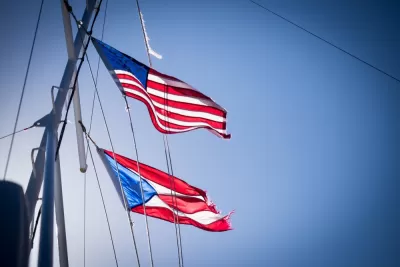
Philip Bump reports on the recovery effort underway in Puerto Rico, where residents are working to rebuild the island's infrastructure after the destruction of Hurricane Maria. Bump focuses specifically on a website launched by the government of Puerto Rico called status.pr, which "tracks how much of the island’s infrastructure has come back online."
So, for instance, Bump is able to track and illustrate the progress made on restoring cell towers, cell coverage, electricity service, and much more on the island. It's clear that while some infrastructure is coming back online quickly (like supermarkets), some is moving much more slowly (like electricity service.) Regional breakdowns are also available, so it's easy to see where water is flowing again and where it's not.
FULL STORY: Puerto Rico is keeping track of just how slowly its infrastructure is being rebuilt

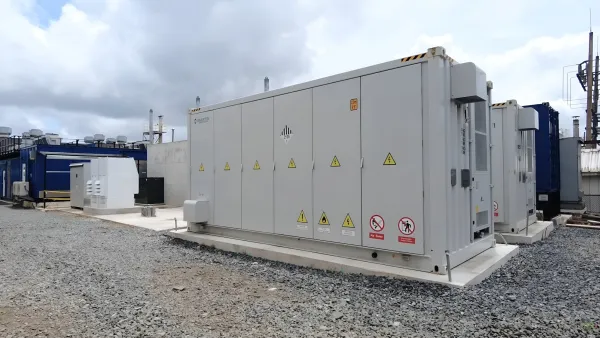
Texas is Counting on Battery Systems to Limit Power Outages This Winter
ERCOT says new battery storage and other systems set in place after 2021’s devastating winter storm will help prevent an energy emergency this winter.
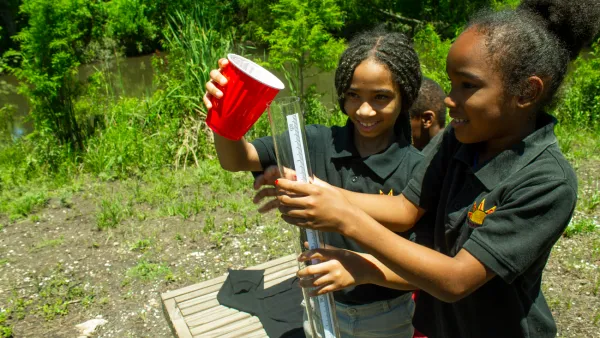
Seven Brilliant Projects Keeping New Orleans Safe from Stormwater
20 years post Katrina, New Orleans has shored up and reinvented itself to absorb millions upon millions of gallons of stormwater. Their success holds lessons for landscape architects all over the world.
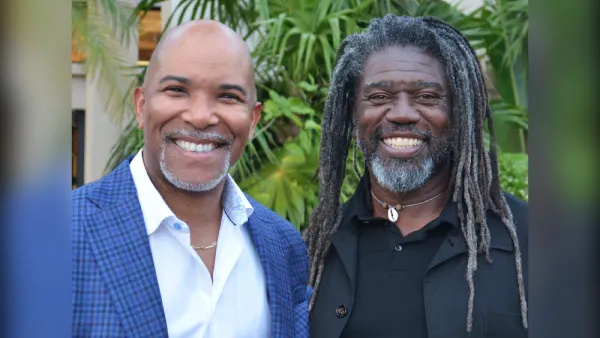
In a Warmer, Wetter and More Disaster-prone World: “Nature is the Greatest Designer”
A conversation with the American Society of Landscape Architects’ CEO Torey Carter-Conneen and board president Kona Gray.

Planetizen Federal Action Tracker
A weekly monitor of how Trump’s orders and actions are impacting planners and planning in America.

The state-sanctioned urbicide of Austin
People don’t kill cities. Freeways do.

US to reduce Colorado River water deliveries to Mexico
A new Colorado Treaty amendment reduces Mexico’s Colorado River water allocation by 250,000 acre feet.

Guerilla urbanists are building DIY bus stop benches in Chicago
A before-and-after of one of the bus stops with a new bench. The new benches are not officially sanctioned or permitted, but the residents who placed them hope they will be the start of a network of DIY benches across the city.

Mamdani overhauls NYC's Vision Zero plan with 100 new policy goals
The overhaul aims to reduce traffic deaths and make streets safer for pedestrians, cyclists and drivers through lower speed limits, new safety infrastructure and more.

Amtrak not solely to blame for New Jersey commuter rail's unreliability, report finds
A new study from the Garden State Initiative found that NJ Transit’s budget grew 20% across a 4 year period, but reliability declined significantly over the same period.

FREE Course: Walkable City 1: Why Walkability?
After describing his path towards focusing on walkability as the essence of good planning, Jeff Speck marches through his five principal reasons for making more walkable places.
Reinventing Malls: Planning Alchemy—Turning Gray Fields Into Gold
The course focuses on the opportunities and imperatives that shape reinvention of mall sites.

Eagle County Government
Harvard University Graduate School of Design
Nashville Planning Department
The Architects Foundation
University of Cincinnati Online
The Pocatello Development Authority
The Urban Renewal Agency of the City of Pocatello
Journal of the American Planning Association