Land Use
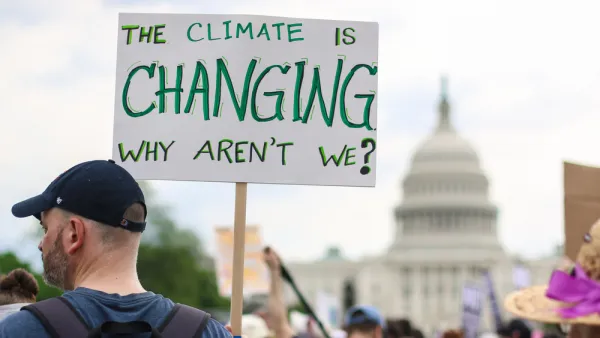
USDOT Releases Climate Strategies Playbook
The USDOT's new Climate Strategies that Work Playbook provides detailed information concerning benefits and implementation requirements for 27 transportation-related emission reduction strategies.
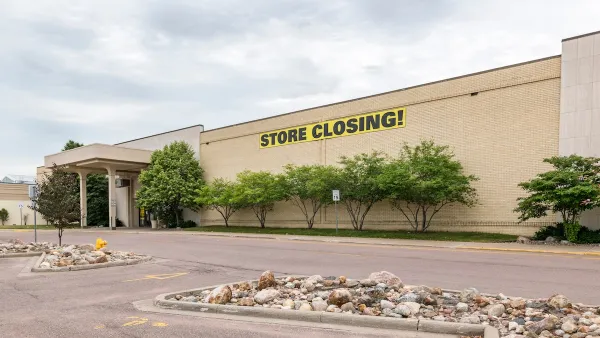
Shifts in Shopping: Transforming Malls Into Parks
Maybe zombie malls still have a second life — one with a little greenery.
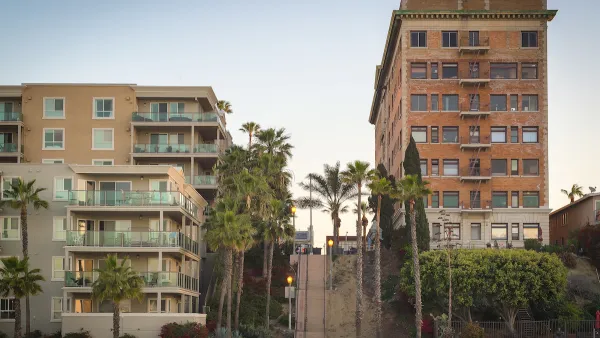
Analysis: Localized Upzoning Less Effective
Changing zoning rules for a small number of parcels can increase land values and housing costs without boosting the housing supply.

For Some, Co-Housing Offers Social and Economic Benefits
Residents of co-living developments say the built-in community helps ease the growing isolation felt by many Americans.
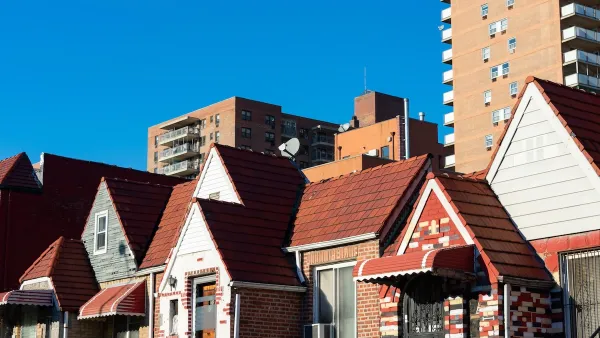
NYC Likely to Legalize ADUs as Part of ‘City of Yes’ Reforms
Homeowners in some neighborhoods could soon be able to build accessory dwelling units in their backyards, garages, or basements.
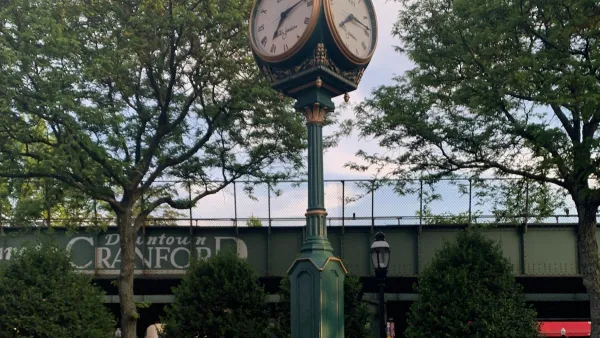
The Story of Eastman Clock Plaza in Downtown Cranford
How a small plaza in Cranford, New Jersey became a community beacon.
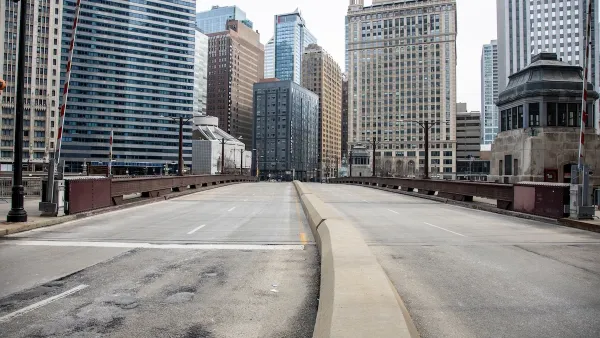
Major US Cities Still Suffering Downtown Decline
Research shows that the “donut effect” hollowing out central business districts since the pandemic continues to cause economic decline in the 12 largest American cities.
Office Conversion Sees No Sign of Slowing
The adaptive reuse of office buildings for residential and other uses will grow by as much as 63 percent in 2024 over last year.
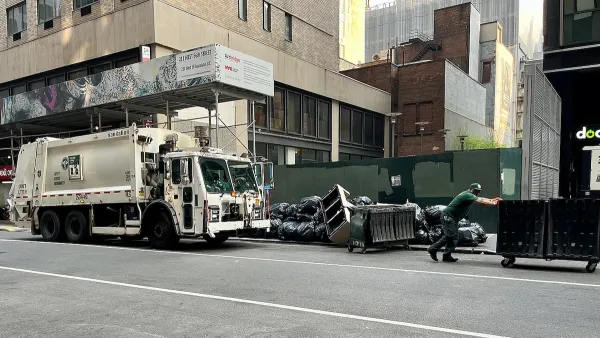
Parked Cars Hamper NYC Trash Containerization Effort
Sanitation workers must manually collect bags from containers blocked by parked cars, slowing a process that is meant to be safer and more efficient.
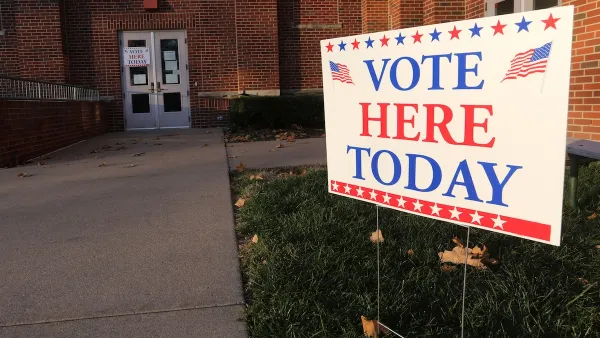
November Must-Reads: Top 10 Articles From Last Month
The future of planning in the second Trump administration, housing policy, and highway removal — here are Planetizen’s most popular headlines from November 2024.
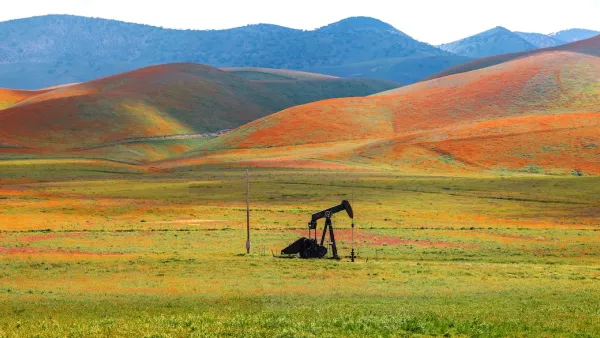
Plugging the Gap: Taxpayers Shoulder the Burden of Orphaned Oil and Gas Wells
Taxpayers, federal agencies, and tribal governments are working to address Arizona's orphaned oil and gas wells, which pose environmental and health risks, while advocates call for greater accountability from oil and gas companies.
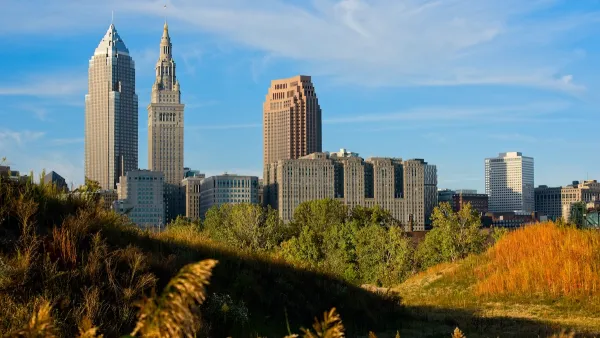
Ohio Invests $58 Million to Revitalize Brownfields and Boost Local Economies
This investment in brownfield remediation will clean up hazardous sites, foster economic development, and create jobs through 61 new projects across 33 counties.
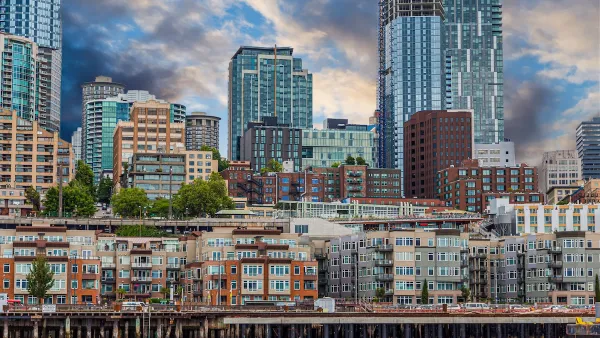
Seattle Legalizes Co-Living
A new state law requires all Washington cities to allow co-living facilities in areas zoned for multifamily housing.
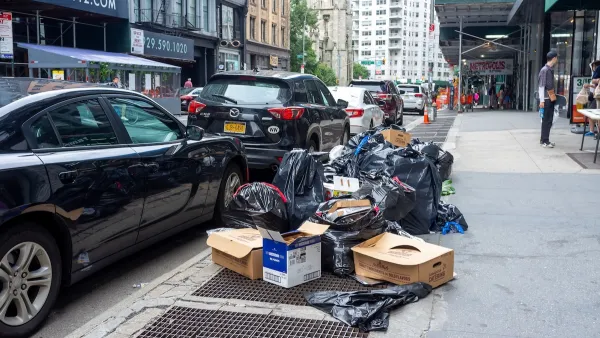
NYC Launches ‘Smart Curbs’ Program
The pilot program on the Upper West Side will remove some curbside parking spots to replace them with public seating, bike racks, and delivery zones.
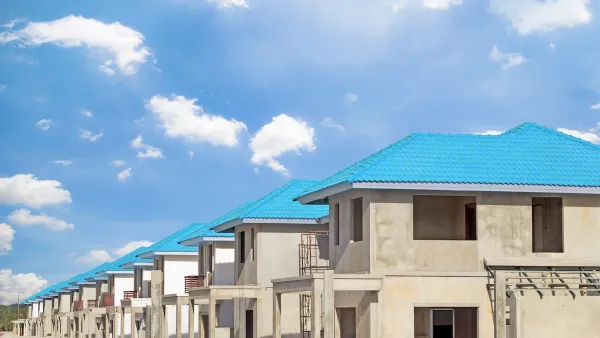
Opinion: “New Towns” Are the Answer to Affordable Housing Challenges
How thoughtful design can create more walkable, livable communities.
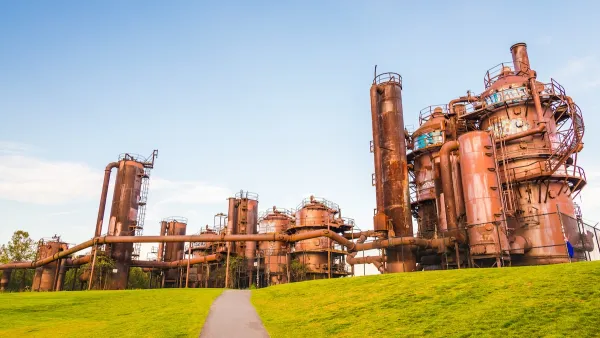
Revitalizing Cities Through Soil Health, Green Spaces, and Nature-Based Remediation
Investing in soil health, urban parks, and nature-based solutions for brownfield remediation is essential for creating resilient cities, restoring ecosystems, and improving community well-being.
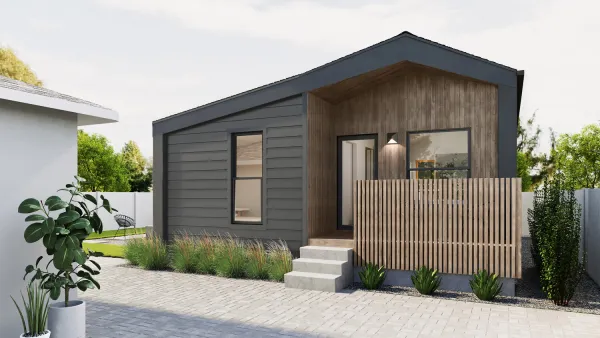
The ADU Movement Grows Around the Country
More states and cities are promoting backyard cottages, converted garages, and other add-on units. Are they making an impact?
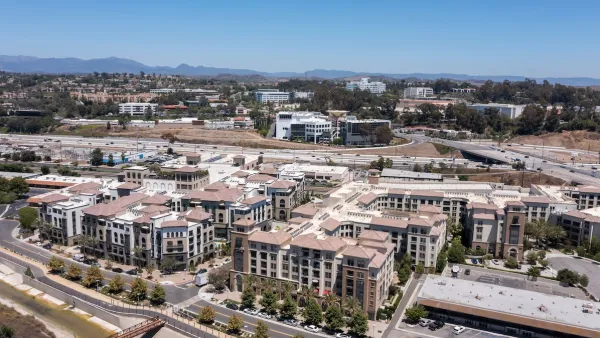
Balancing TOD and Public Health
Building housing near transportation networks can improve density and walkability, but can also have serious health consequences for residents.

Parking Mandates Have a New Victim: Daycare Centers
In Washington state, onerous parking requirements are a major factor in a growing childcare shortage.
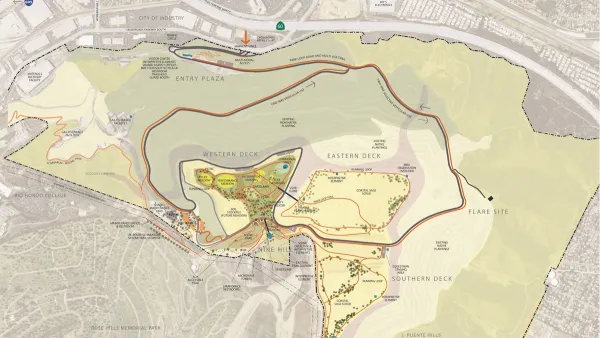
Trash to Treasure: New Park Set to Redefine Open Space in the San Gabriel Valley
Puente Hills Landfill Park, opening in 2027, will transform a former landfill into a regional park with trails, scenic vistas, and various amenities, addressing environmental justice and providing much-needed green space for the San Gabriel Valley.

FREE Course: Walkable City 1: Why Walkability?
After describing his path towards focusing on walkability as the essence of good planning, Jeff Speck marches through his five principal reasons for making more walkable places.
Reinventing Malls: Planning Alchemy—Turning Gray Fields Into Gold
The course focuses on the opportunities and imperatives that shape reinvention of mall sites.

One Hundred Miles
County of Mendocino
planning NEXT
The Architects Foundation
University of Cincinnati Online
Montrose County
Northern Illinois Transit Authority (NITA)
The Pocatello Development Authority









