The approach offers a way for cities to free up curb parking space while boosting revenue for local infrastructure.


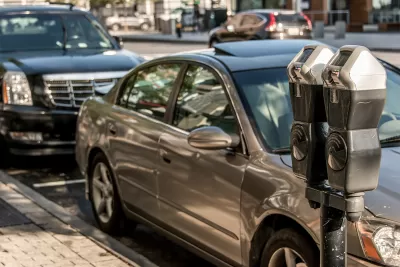
“The Boston City Council is pushing for the creation of parking benefit districts, a concept that reinvests metered parking fees back into a neighborhood for a wide range of transportation-related improvements,” reports Gayla Cawley in Governing.
Massachusetts legalized parking benefit districts in 2016, and three Massachusetts communities have implemented them. “The bodies typically designated to manage the parking districts include main streets organizations, community planning groups and business improvement districts,” said City Councilor Ricardo Arroyo, who introduced a hearing request at last week’s council meeting.
Arroyo “discussed the potential for a pilot district in Roslindale Village, a shopping and dining area where parking meters will soon be added by the city.” Advocates view the strategy as a way to effectively manage curb parking space and generate revenue for local improvements.
FULL STORY: Boston’s Parking Districts Would Reinvest Funds in Neighborhood

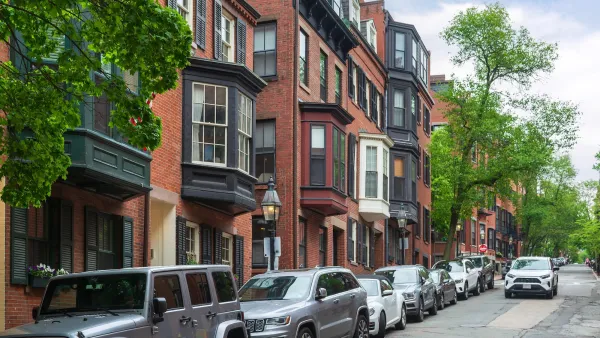
Boston Launches AI-assisted ‘Curb Lab’
A new digital project will help the city manage curb space and offer parking information to the public.
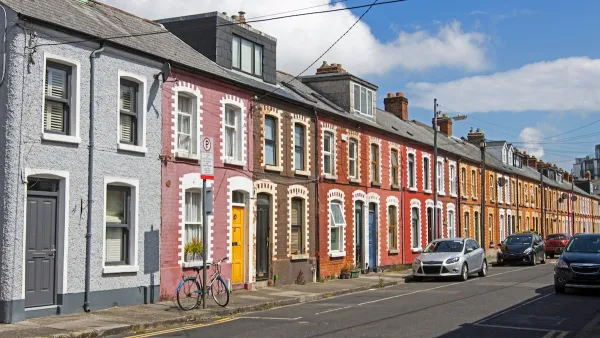
Reimagining the Curb: How Smart Curb Management is Transforming Urban Mobility
Modern demands for curbside space call for new ways to manage and allocate it.
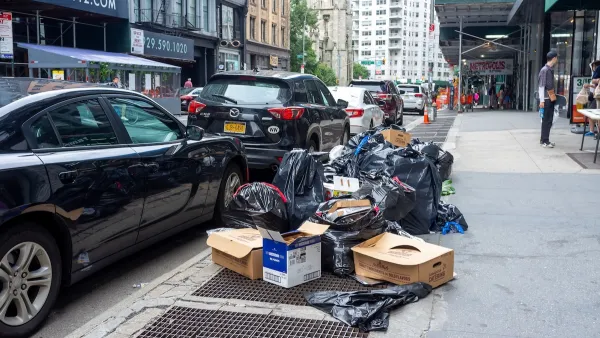
NYC Launches ‘Smart Curbs’ Program
The pilot program on the Upper West Side will remove some curbside parking spots to replace them with public seating, bike racks, and delivery zones.

Planetizen Federal Action Tracker
A weekly monitor of how Trump’s orders and actions are impacting planners and planning in America.

The state-sanctioned urbicide of Austin
People don’t kill cities. Freeways do.

US to reduce Colorado River water deliveries to Mexico
A new Colorado Treaty amendment reduces Mexico’s Colorado River water allocation by 250,000 acre feet.

5 New England states march closer to 800 megawatt wind energy project
Securing federal approval for the project may be complicated under the Trump administration, which has historically been hostile towards domestic wind power.

Baltimore to break ground on $50 million Transit Priority Project
The project will bring faster bus trips, safer streets and better bike connections to Baltimore.

Airbnb launches $250 million 'last-dollar financing' housing accelerator, makes first investment in Austin
The company will put $6.4 million towards affordable housing development in Texas’ capital.

FREE Course: Walkable City 1: Why Walkability?
After describing his path towards focusing on walkability as the essence of good planning, Jeff Speck marches through his five principal reasons for making more walkable places.
Reinventing Malls: Planning Alchemy—Turning Gray Fields Into Gold
The course focuses on the opportunities and imperatives that shape reinvention of mall sites.

Eagle County Government
Harvard University Graduate School of Design
Nashville Planning Department
The Architects Foundation
University of Cincinnati Online
The Pocatello Development Authority
The Urban Renewal Agency of the City of Pocatello
Journal of the American Planning Association