Research continues to show that adjusting parking requirements to align with demand can lower the cost of housing.


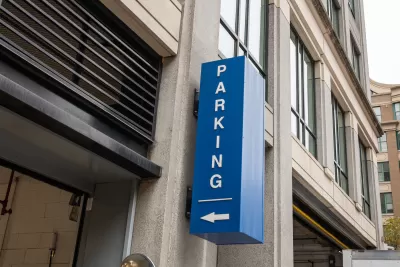
A new study from the Rutgers Center for Real Estate reveals that New Jersey renters could save more than $1,000 on their rent costs each year of the city aligned its parking requirements with the number of vehicles residents actually own, reports Kea Wilson in Streetsblog USA.
Other research bears this out. “According to the Parking Reform Network, other studies have found that eliminating all parking requirements can decrease rents and mortgages by $200 to $500 a month, depending on how and where those spots are built.” Limiting parking would also reduce the amount of impermeable surfaces that prevent proper stormwater drainage and increase the urban heat island effect.
Studies like this are important because parking mandates often become a hot-button issue for local policymakers. As Wilson points out, “That doesn't mean, of course, that relaxing parking minimums will be politically easy. New Jersey, like many U.S. states, gives municipalities the power to set local zoning codes as long as they comply with overarching state laws.” But the growing body of research can contribute to a better public understanding of the high cost of parking requirements.
FULL STORY: How Even Modest Reductions in Parking Can Slash Your Rent

New Hampshire House Passes Parking Reform Bill
The revised bill, which caps parking requirements at one spot per residential unit and eliminates exemptions, will go back to the Senate for a new vote.

Montana Bill Promotes Parking Reform
A bill before the Montana state senate would bar cities from requiring more than one parking spot per new housing unit.

Austin Ends Parking Minimums
The city approved changes called for by a May resolution that eliminate parking requirements in all neighborhoods.

Planetizen Federal Action Tracker
A weekly monitor of how Trump’s orders and actions are impacting planners and planning in America.

The state-sanctioned urbicide of Austin
People don’t kill cities. Freeways do.

US to reduce Colorado River water deliveries to Mexico
A new Colorado Treaty amendment reduces Mexico’s Colorado River water allocation by 250,000 acre feet.

5 New England states march closer to 800 megawatt wind energy project
Securing federal approval for the project may be complicated under the Trump administration, which has historically been hostile towards domestic wind power.

Baltimore to break ground on $50 million Transit Priority Project
The project will bring faster bus trips, safer streets and better bike connections to Baltimore.

Airbnb launches $250 million 'last-dollar financing' housing accelerator, makes first investment in Austin
The company will put $6.4 million towards affordable housing development in Texas’ capital.

FREE Course: Walkable City 1: Why Walkability?
After describing his path towards focusing on walkability as the essence of good planning, Jeff Speck marches through his five principal reasons for making more walkable places.
Reinventing Malls: Planning Alchemy—Turning Gray Fields Into Gold
The course focuses on the opportunities and imperatives that shape reinvention of mall sites.

Eagle County Government
Harvard University Graduate School of Design
Nashville Planning Department
The Architects Foundation
University of Cincinnati Online
The Pocatello Development Authority
The Urban Renewal Agency of the City of Pocatello
Journal of the American Planning Association