Land Use
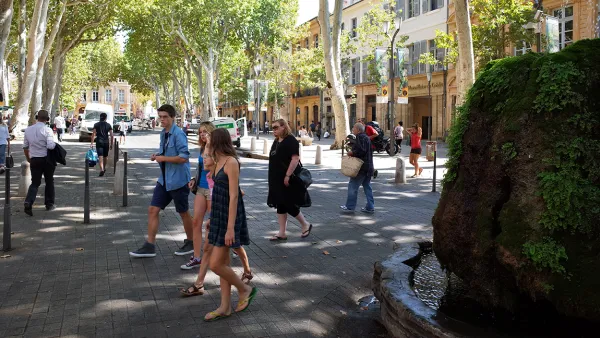
The Underlying Patterns of Urban Street Design
Based on empirical study, J. Alexander Maxwell and fellow University of Strathclyde researchers, in collaboration with Chuck Wolfe, argue for recalling historic patterns of pedestrian city settings in contemporary urban design and policies.

Deconstructing the Policing of Conservation Subdivision Design Standards
Continuing a conversation about the definition of conservation subdivisions, this article examines the inconsistent application of the term by policymakers. Moreover, the auto-dependent realities of rural development require more critical thinking.
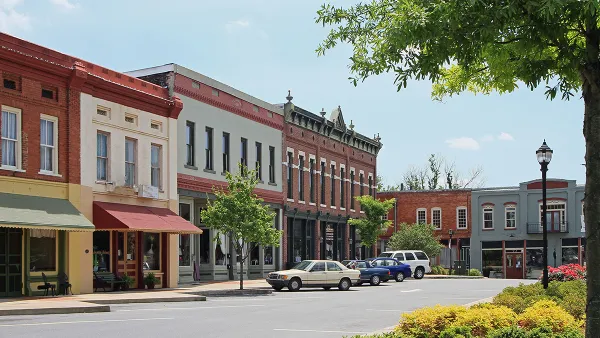
Making the Case for Downtowns: Tax Revenue
Joe Minicozzi of Urban3 recently got national media attention from Forbes. The article describes Minicozzi as a kind of evangelist, making a strong, rational case for cities of all sizes to invest in their downtowns instead of big box retail.

'Lean Urbanism' Explained
“Lean urbanism” is the latest buzz-worthy term to enter the discussion on planning and urbanism. A recent article in Atlantic Cities explains the concept—which appeals to the younger generation as well as those with libertarian leanings.
County Fairgrounds Provide Overnight Parking for Homeless
The city of Santa Rosa, California, has “cut against the trend” by implementing a safe parking program at the county fairgrounds lot. What has your surface parking lot done for you lately?
Urban Youths to Save Future of Farming in America
A successful agriculture program in Southern California introduces farming as a viable career choice to suburban students.
Trump Golf Courses Seek Environmental Certification
Donald Trump has committed to working with the environmental nonprofit Audubon International to improve the environmental practices on the 20 Trump Golf courses around the world.
Advice for Planning Commissioners with Advocacy In Their Blood
You probably didn't end up on your community's planning commission because of your lack of opinions. Now that you are performing this service to the community, how do you balance your past political inclinations and maintain a fair process?
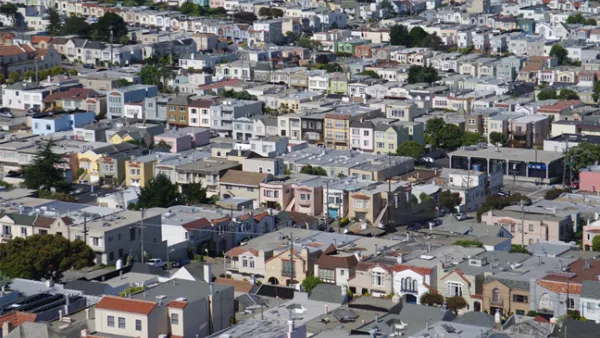
SPUR: The Bay Area Has A Sprawl Problem
SPUR states its case clearly by announcing, “We believe cities are the key to our future” at the opening of a new report called “SPUR’s Agenda for Change.”
Ritzy Neighborhoods Struggling Against Infill
The market forces that push developers and landowners to build “more” and “bigger” have cropped up in some of the swankiest neighborhoods in Portland. So far, neighbors who oppose the projects are finding scant legal recourse to prevent the changes.
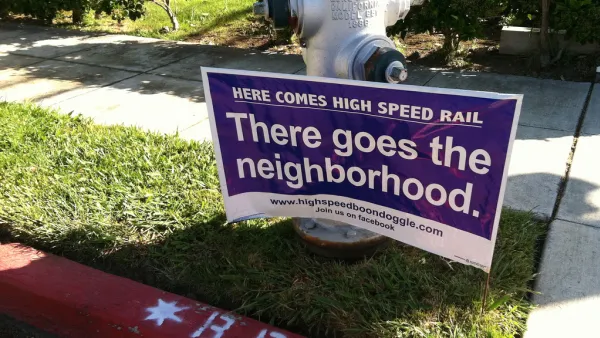
The Theory Behind NIMBYism
Why should people have veto power over anything built in their neighborhood?
Rethinking Suburban Parking Lots
Fast Co.Exist presents the work of the Long Island Index, which recently undertook a creative problem solving exercise to explore ways that suburban parking lots could encourage more walkable conditions.
Questioning the National Flood Insurance Program’s Repeat Payouts
The National Flood Insurance Program is unable to keep up with the pace of storms and sea level rise since Hurricane Katrina in 2005 and is now $24 billion in debt. Why then, do the same houses receive repeated payouts?
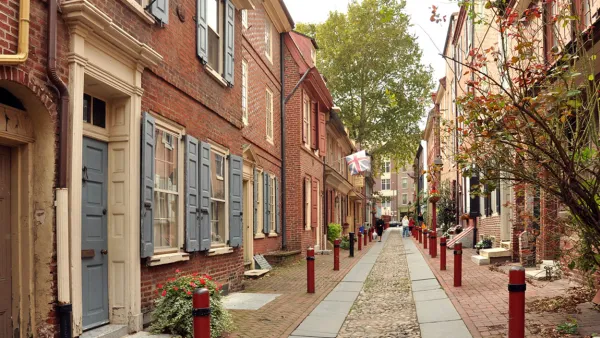
Historic Examples of 'Urbanism Without Government'
We’ve all heard the question “but who will build the roads?” put to libertarians. In a recent article, Emily Washington examines historic examples of urban settings that developed without the guidance of a government.
Providence Proposes Comprehensive Zoning Code Update
The city of Providence has announced the first draft of a comprehensive zoning code update—its first since 1994.
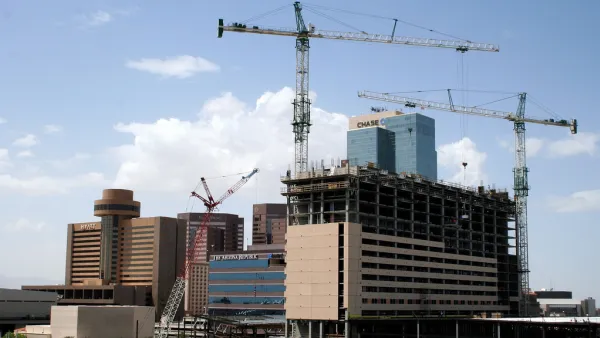
How to Fund City Growth? Value Capture
Governments should look to land value tax to fund large city-building projects.
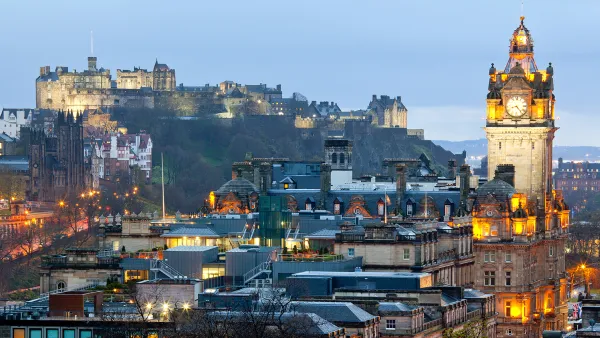
Why Urban History Matters
Chuck Wolfe's recent reconnaissance of Edinburgh provides a foil for his rallying cry: Going forward, let’s not discount the influence of history’s recurring themes in how we redevelop the urban realm.
A New Coalition for Urban Place
Who benefits the most from synergistic growth, where the parts of the built environment are brought together to create a strong community and sense of place?
Let Love Rule: Resilience in Mesquite
Are your local planning tools supporting a thriving and resilient future? Andrew von Maur shares a little inspiration from Las Cruces, New Mexico.
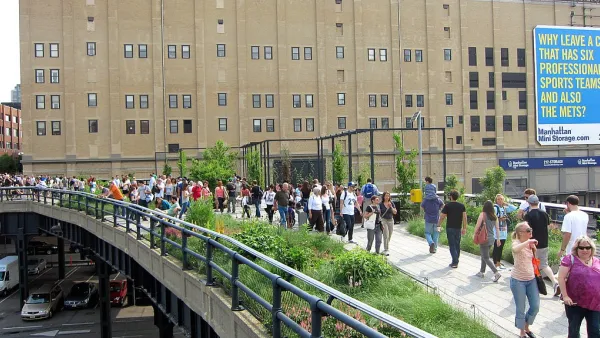
Comparing Public Space in New York City and Paris
A recent article examines the ways New York City and Paris support large-scale pedestrian use and support the shared use of public space.

FREE Course: Walkable City 1: Why Walkability?
After describing his path towards focusing on walkability as the essence of good planning, Jeff Speck marches through his five principal reasons for making more walkable places.
Reinventing Malls: Planning Alchemy—Turning Gray Fields Into Gold
The course focuses on the opportunities and imperatives that shape reinvention of mall sites.

City of Rosemead
Rutgers University, Edward J. Bloustein School of Planning and Public Policy
One Hundred Miles
University of Michigan School for Environment and Sustainability (SEAS)
Hunter College, City University of New York (CUNY)
The Architects Foundation
City of Cambridge
Montrose County
The Pocatello Development Authority









