As urban planners, every piece of infrastructure we build is a memorial — whether we know it or not.


The Seven Wonders of the World are admired as feats of human engineering and architecture, but equally overlooked as examples of what humans can do, and more so, how much we can love.
The Taj Mahal, "the greatest architectural achievement in the whole range of Indo-Islamic architecture," was built by a man so devastated by grief that he commissioned artisans and architects to build it in honor of his wife. And whether visitors are aware or not, 400 years later, millions still travel to stand inside his mourning.
Be it a marble mausoleum or a modest plot, humans need a headstone. We need something to return to, a literal place to hold our memory. The love, the grief held in our hearts, spills out into the street with vigils, murals, tombstones. However, with spaces for housing our memory dwindling, where do we go to hold our loved ones in the landscape?
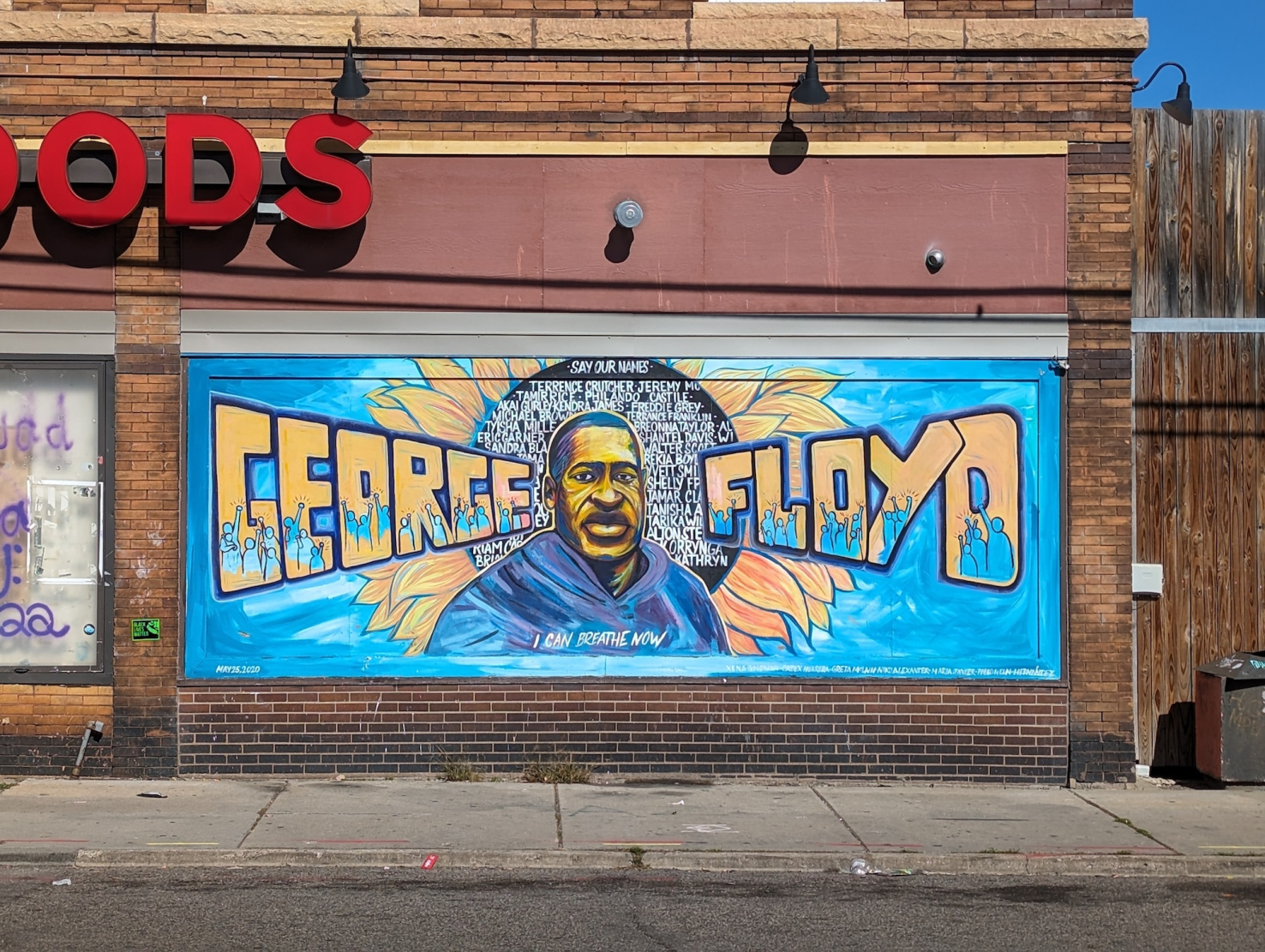
From named libraries to statues, it’s implicitly stated that to be remembered you must be famous, rich or great. What chance do we – you and I – have to be remembered across generations? What must we do or who must we "be" to become fixed in time, anchored in a place?
Wherever you live, aspects of Main Street — be it a restaurant, your high school or a public park — can easily become Memory Lane. And in the changing tide of the city, you see the highs and lows of storefronts opening and closing and those same storefronts molting into new businesses, new colors, new memories for new generations.
But when I walk, I notice something else, too. The sites where a person was recently taken from us.
Some of us do not die old, peacefully in their sleep as implicitly hoped. Some are rushed into the next realm. Over 100 people die from motor vehicle crashes each day in the United States. Each night on the news, we hear of someone being killed in traffic. Across the globe, roads practically operate as the River Styx, with approximately 1.19 million people losing their lives each year to traffic crashes.
But we don’t see it in the morning.
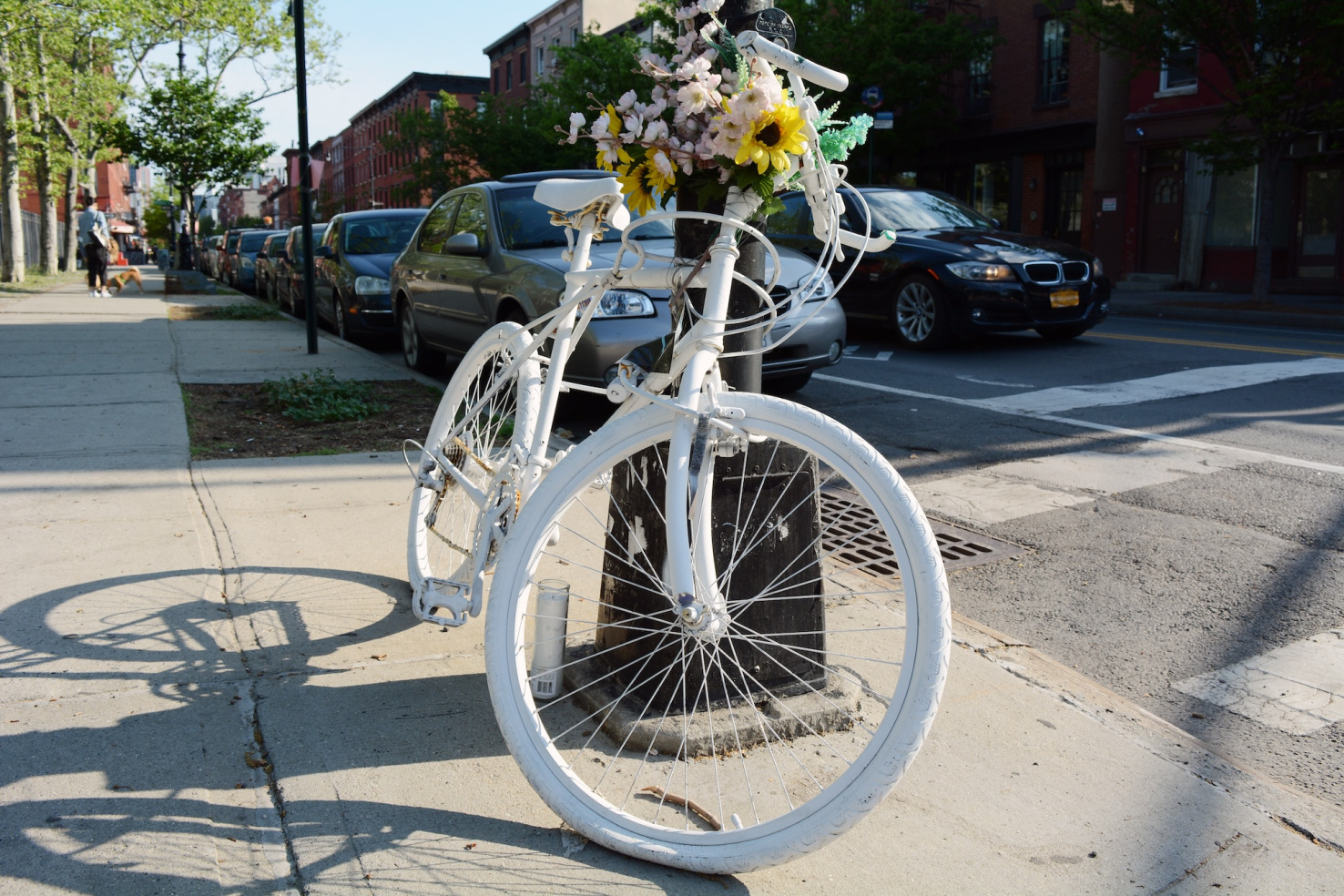
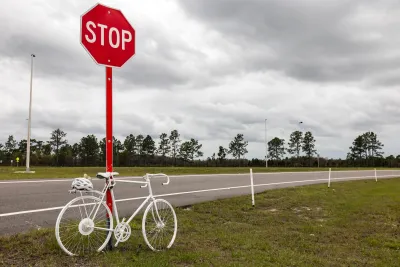
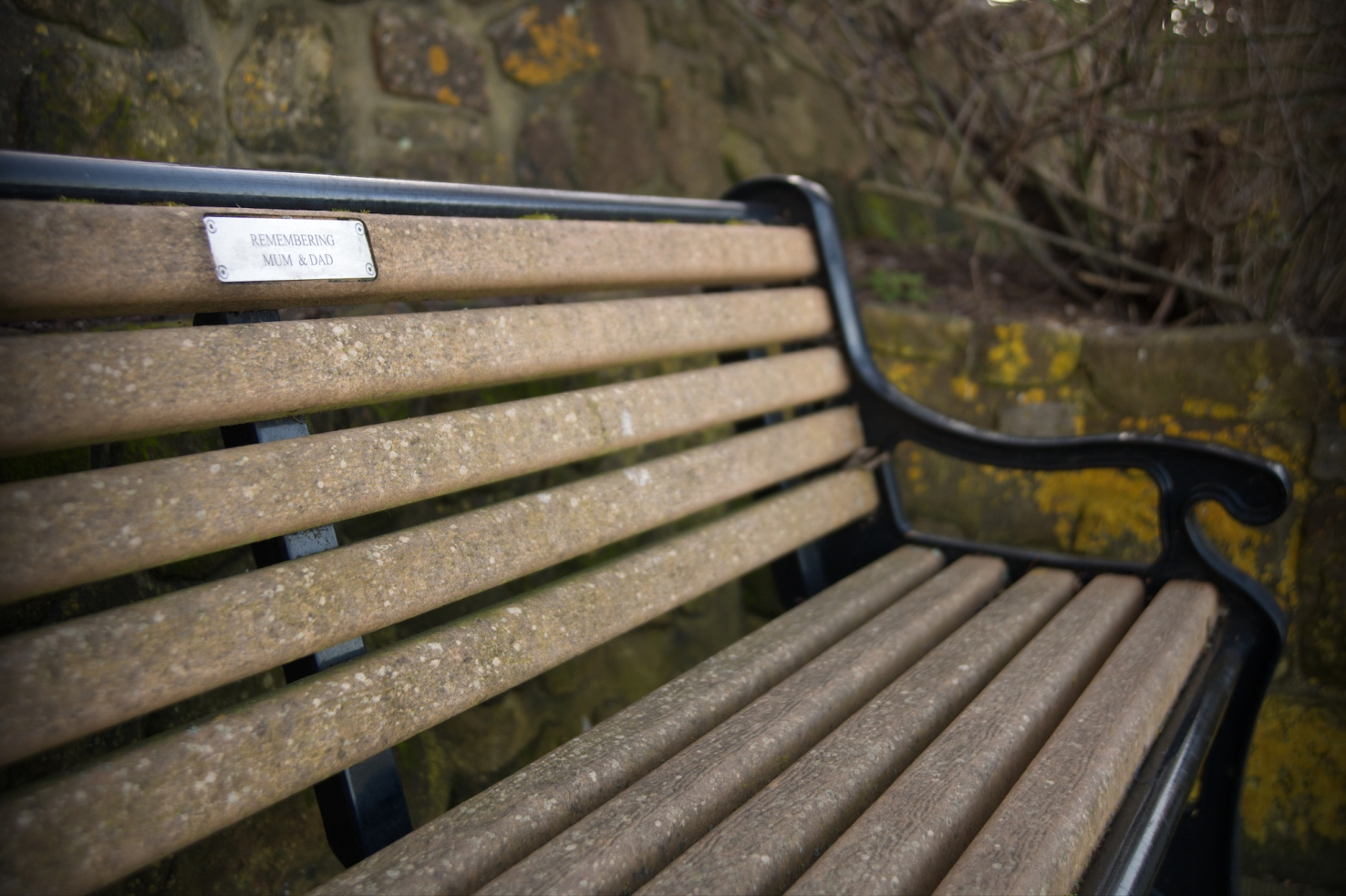
It may be taboo to mention, but the markers are there. Ghost bikes. Memorial murals. Dedications on park benches and roadsides and library reading rooms. In every cluster of fatal red dots on a crash map, I see a portal of lives lost. The city is already a landscape of loss. But with our well-laid-out plans, we haven’t learned to look at it that way.
Often, grief goes unwitnessed. It feels as if nobody cares. Not because people are cruel, but because we’ve built a culture too busy and too avoidant to hold each other’s loss — or even acknowledge it.
If it weren’t for data or campaigns, it would seem as if these deaths are tragic one-offs. There is a long, funerary procession from tragedy to study to plan to design to funding to construction to a project completed as a promise to protect life in that place. When I see a new project announced or implemented, like the Taj Mahal, I can’t help but see the person behind the engineered marvel rather than the structure itself.
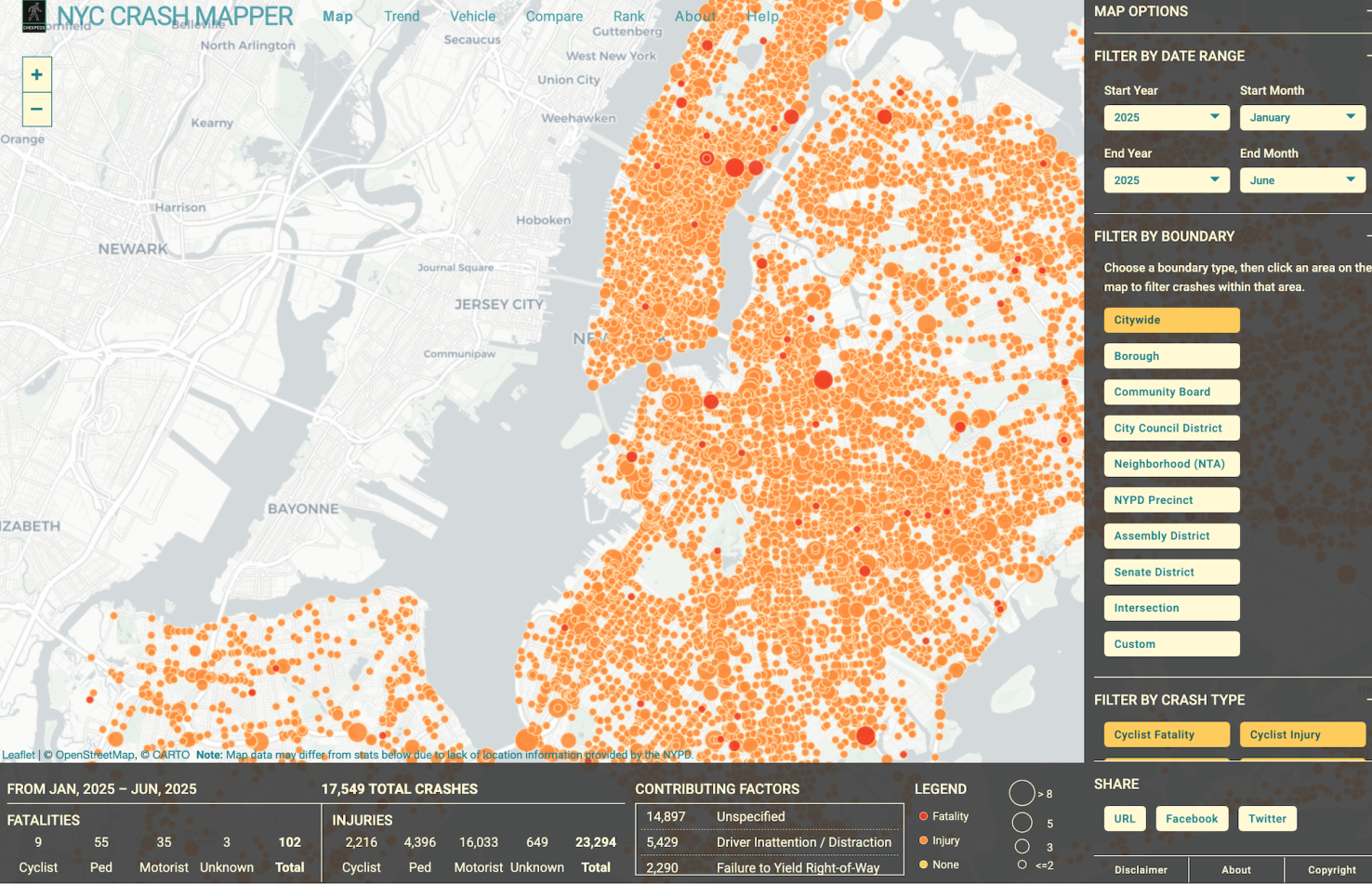
The private-public barrier of our profession is at the seams of our tears. It does not have to be personal to be felt.
If monuments tell us anything, they tell us that grief, loss and sadness want to be seen. To be felt. To be explored, in solitude or with one another. They are reminders of what was here and, hopefully, of what is to be.
Though we may not build a wonder of the world, as planners, we can look at our latest street improvement project with the same reverence, even if it is not dedicated to those who lost their lives there. Instead of rushing through the landscape on our way to work or home, we must remember that everything we come across — an intersection, a plaque or a vigil — has a name and a story — even if it isn’t our own.
—
Ambar Wortham is a transportation planner and oral historian who writes about infrastructure, connection and memory.

NYC Pedestrian Deaths Rose in 2024
The city’s Vision Zero efforts seem to have stalled.
Portland Traffic Deaths Surpass 2022 Number
This year, 69 people have died in traffic crashes in Portland, Oregon, nearly twice as many as in 2018, when the city began its Vision Zero program.
The Geography of Fatal Car Crashes
Where do the most traffic deaths happen?

Planetizen Federal Action Tracker
A weekly monitor of how Trump’s orders and actions are impacting planners and planning in America.

‘Going backwards:’ Baltimore mayor, students rally against state's transit funding plan
Maryland's proposed six-year plan provides no funding for Baltimore’s BMORE bus program and reduces its road maintenance funding.

Detroit to transform waterfront with $2.2 billion investment
Developers will convert about 18 acres of unused parking lot space into civic spaces.

Data center developers are using lawsuits, cash offers to ‘overwhelm’ rural America
Newsrooms in five states worked together to uncover the tactics big tech developers use to buy land from reluctant communities.

U.S.-Iran war may have ‘devastating’ impact on cost to warm homes
Vermont and Maine residents may see a 76% increase in the cost of warming their homes this winter.

Senate bill would ‘overhaul’ environmental permitting laws
Under the proposed act, government agencies would also not be able to suspend or rescind permits after granting them.

FREE Course: Walkable City 1: Why Walkability?
After describing his path towards focusing on walkability as the essence of good planning, Jeff Speck marches through his five principal reasons for making more walkable places.
Reinventing Malls: Planning Alchemy—Turning Gray Fields Into Gold
The course focuses on the opportunities and imperatives that shape reinvention of mall sites.

One Hundred Miles
County of Mendocino
planning NEXT
The Architects Foundation
University of Cincinnati Online
Montrose County
Northern Illinois Transit Authority (NITA)
The Pocatello Development Authority

