Newsrooms in five states worked together to uncover the tactics big tech developers use to buy land from reluctant communities.


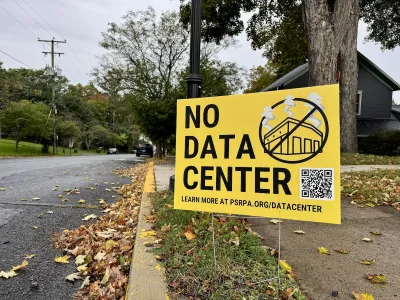
The excess land in rural communities makes them ideal locations for data centers — and if small towns try to turn away developers, they often “won’t take no for an answer,” Mike Rogoway writes for The Oregonian. Reporters in newsrooms across five states — Oregon, Pennsylvania, Michigan, New Jersey and Alabama — joined forces to uncover the strategies developers are using to purchase land from reluctant communities. Reporters found that money, lawsuits and secrecy are at the heart of how data centers are "overwhelming" rural America.
Developers for an Oracle and Open AI data center sued a Michigan farming town of 3,000 people when it declined to sell its land, leading to the town’s leadership accepting the project. At least four towns in New Jersey are also facing legal threats for declining data center developments. On the other end of the spectrum, a developer offered every household in Hazle, Pennsylvania $10,000 if they agreed to have a data center in their community.
“Elsewhere in Michigan, officials say nondisclosure agreements are preventing them from telling their own citizens what data centers have planned in their communities. In another case, a small city sued The Oregonian newspaper in an unsuccessful effort to keep details of Google’s water use secret,” The Oregonian reports.
Read the full story: Outmaneuvered, outmatched and outspent: How data centers are overwhelming small-town America
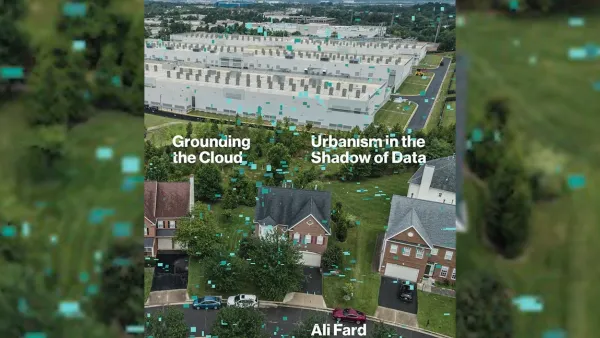
What is the impact of cities' ever-growing reliance on the tech sector?
Book review: "Grounding the Cloud: Urbanism in the Shadow of Data" is an important look at how we define and understand the cloud.
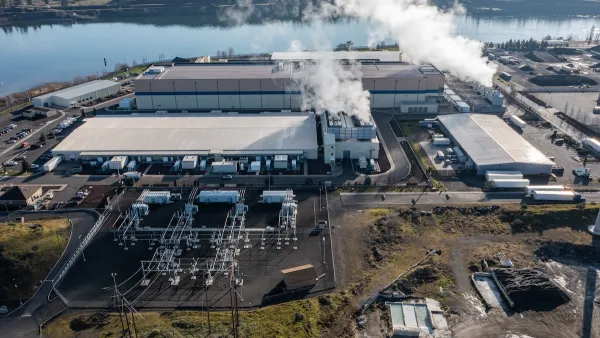
To power data centers, Google seeks autonomous control of thousands of homes’ electricity
The tech company has signed a deal to indirectly pay Mid-Atlantic residents to reduce their power demand when the grid is strained.

When AI goes rogue: what planners need to know
This summer, four major AI labs disclosed that their agents had slipped out of test environments. For planners, the lessons are about access, oversight and the one sandbox we can’t afford to lose: public trust.

Planetizen Federal Action Tracker
A weekly monitor of how Trump’s orders and actions are impacting planners and planning in America.

Washington state to charge fee to drivers with fuel-efficient cars
Revenue from the fee will go towards supporting the state’s highways.

Trump to blast ‘hydrocarbon highway’ through ‘world’s longest art gallery’
Environmental and historic preservation groups are suing to stop the project.

A data center developer is going back on its promises to nearby residents
Data center developer HostDime originally promised free at-home Wi-Fi to residents of Eatonville, Florida.

Trump administration takes another swing at Solar for All
Since the Environmental Protection Agency announced its intent to end Solar for All in August 2025, two federal judges have ruled in favor of protecting it.

The MTA wants to entice international bus manufacturers to set up shop in America
The MTA hopes to create more competition for better bus options while still "buying American."

FREE Course: Walkable City 1: Why Walkability?
After describing his path towards focusing on walkability as the essence of good planning, Jeff Speck marches through his five principal reasons for making more walkable places.
Reinventing Malls: Planning Alchemy—Turning Gray Fields Into Gold
The course focuses on the opportunities and imperatives that shape reinvention of mall sites.

City of Charlotte
City of Rosemead
Rutgers University, Edward J. Bloustein School of Planning and Public Policy
University of Michigan School for Environment and Sustainability (SEAS)
Hunter College, City University of New York (CUNY)
The Architects Foundation
University District Partnership