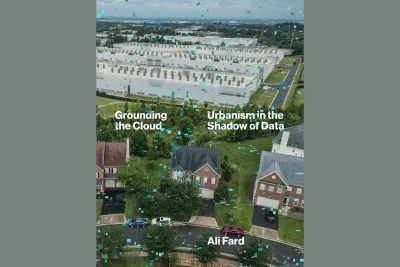
Book review: "Grounding the Cloud: Urbanism in the Shadow of Data" is an important look at how we define and understand the cloud.



This review is part of a special collaboration between Planetizen and Booked on Planning, a biweekly podcast where AICP planner Stephanie Rouse and Jennifer Hiatt chat with authors of the latest books shaping urban planning today. Listen to the episode with today’s author in the player below.
Every day, individuals, government entities and companies generate massive amounts of data that relies on seen and unseen infrastructure to be useful. It's the infrastructure we can see, most notably the data center debates taking place across the country, that get all our attention. But as author Ali Fard notes in his book “Grounding the Cloud: Urbanism in the Shadow of Data,” we overlook several other unseen aspects of cloud management to the detriment of our cities.
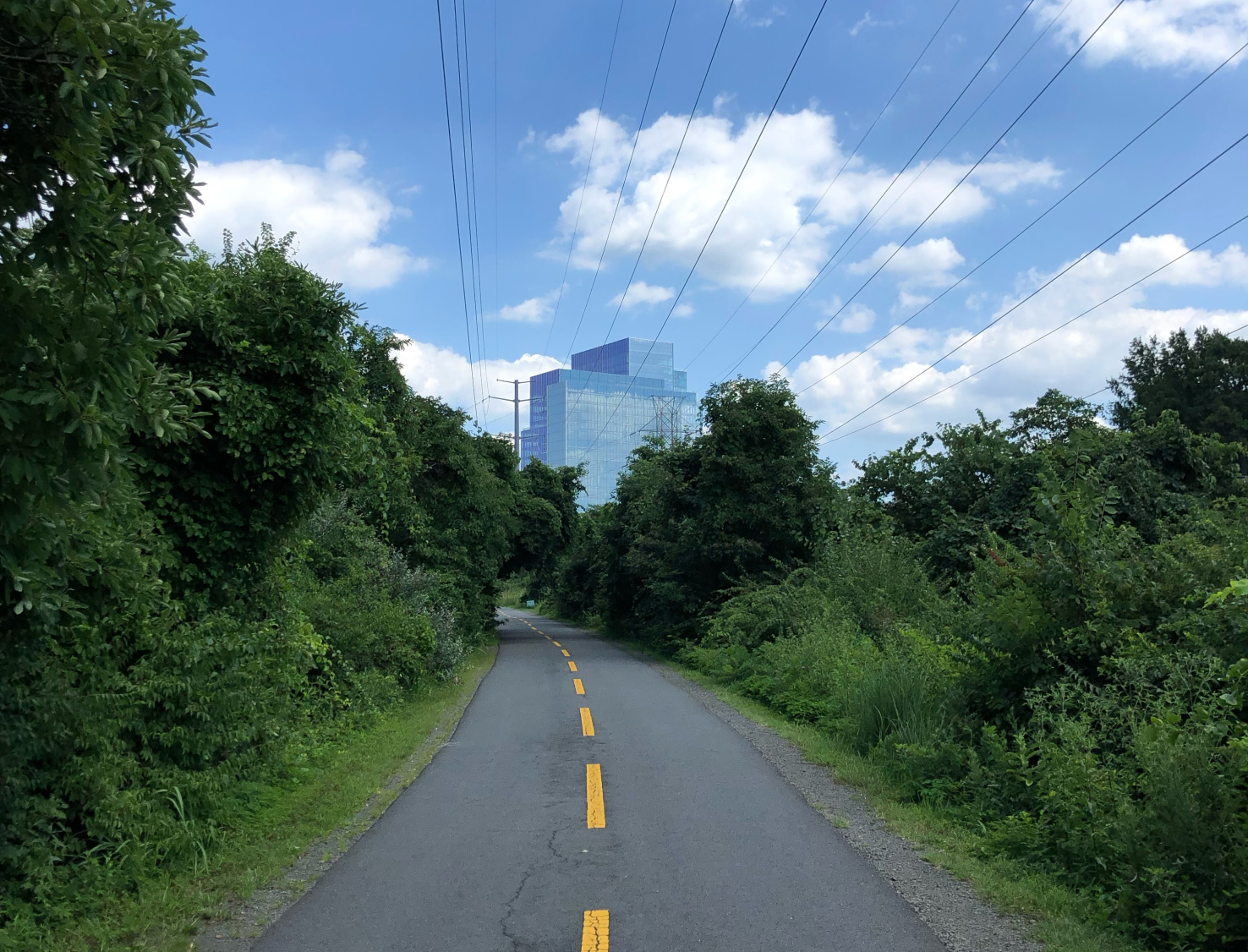
It is challenging to define the cloud, even for the most entrenched tech experts, but Fard argues that “we need a new operative definition that encapsulates its sociotechnical construction as well as its territorial capacity.” The cloud is no longer just a technical concept; it is shaping the physical form of cities by improving management of water, sewer and transportation systems, education, health care and public safety. As cities grow, so does the amount of data they create to run the systems that undergird their operations.
The buzz word of the day is smart cities, but what does it truly mean to create a “smart city?” The term, as Fard notes, is ambiguous and “limits its perception to only highly visible showcase projects in urban cores.” It could reference a city that embraces sensor technology or increasing efficiency via networked technology, or a tech-heavy urban governance structure. Ultimately, Fard convincingly argues that what matters is not defining the term, but understanding that the smart city is “a process through which urban environments become more intelligent through the influence of several economic, technological, and social transformations and the actions of human and non-human actors who are increasingly entangled within complex technological interrelationships.”
But the big question is, what is the impact of the ever-growing reliance of cities, smart or otherwise, on the tech sector? Fard notes a concerning trend in the field of tech to lean into separatist ideals that create urban enclaves of privilege. As the tech sector pushes into urbanism with projects like Google’s Sidewalk Labs, planners and government officials need to be wary of their ultimate intentions. While the tech sector may bring interesting new ideas and ways to capture data to influence decision-making, they are ultimately responsible to shareholders, not to the general public for whom the interventions are intended to help.
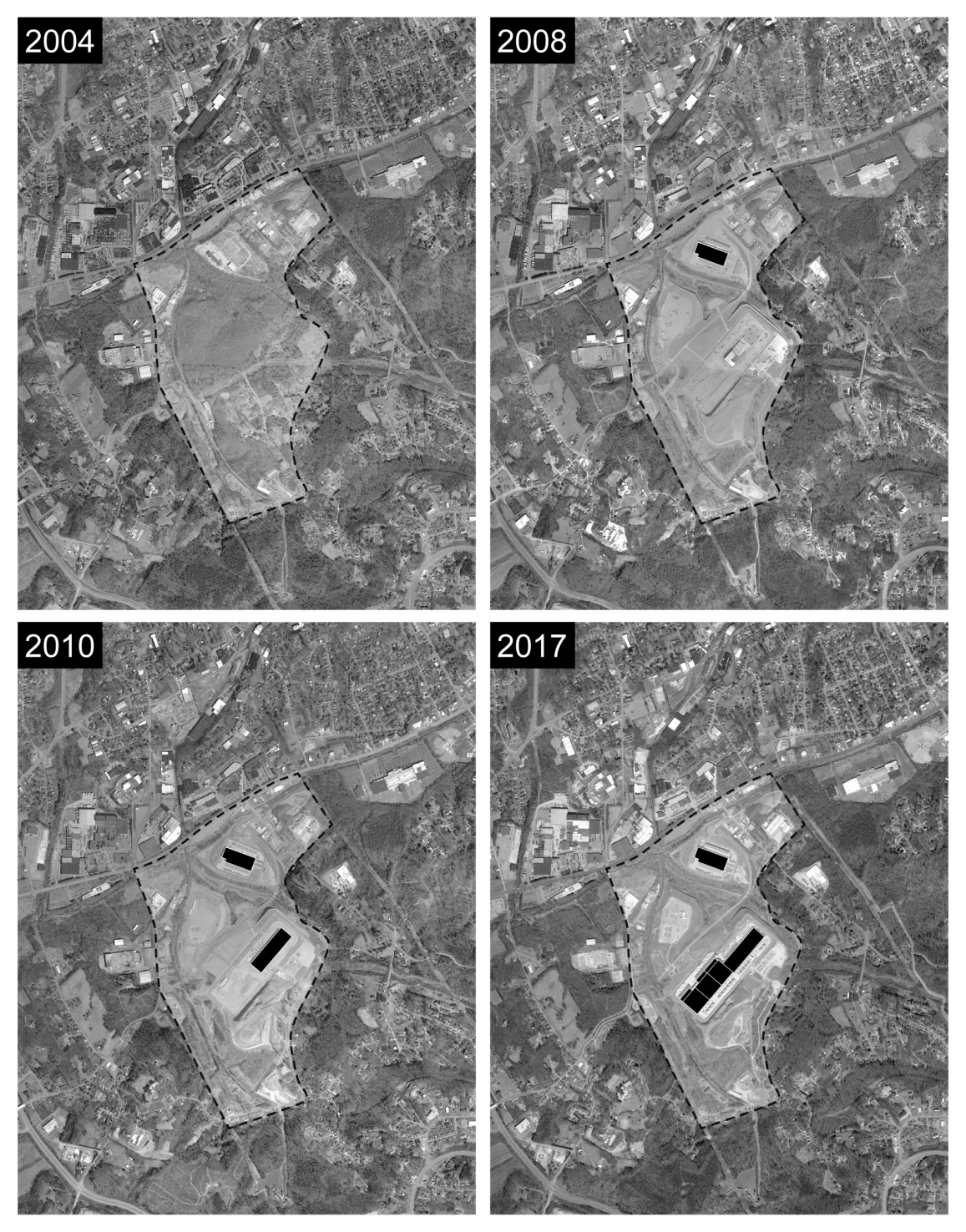
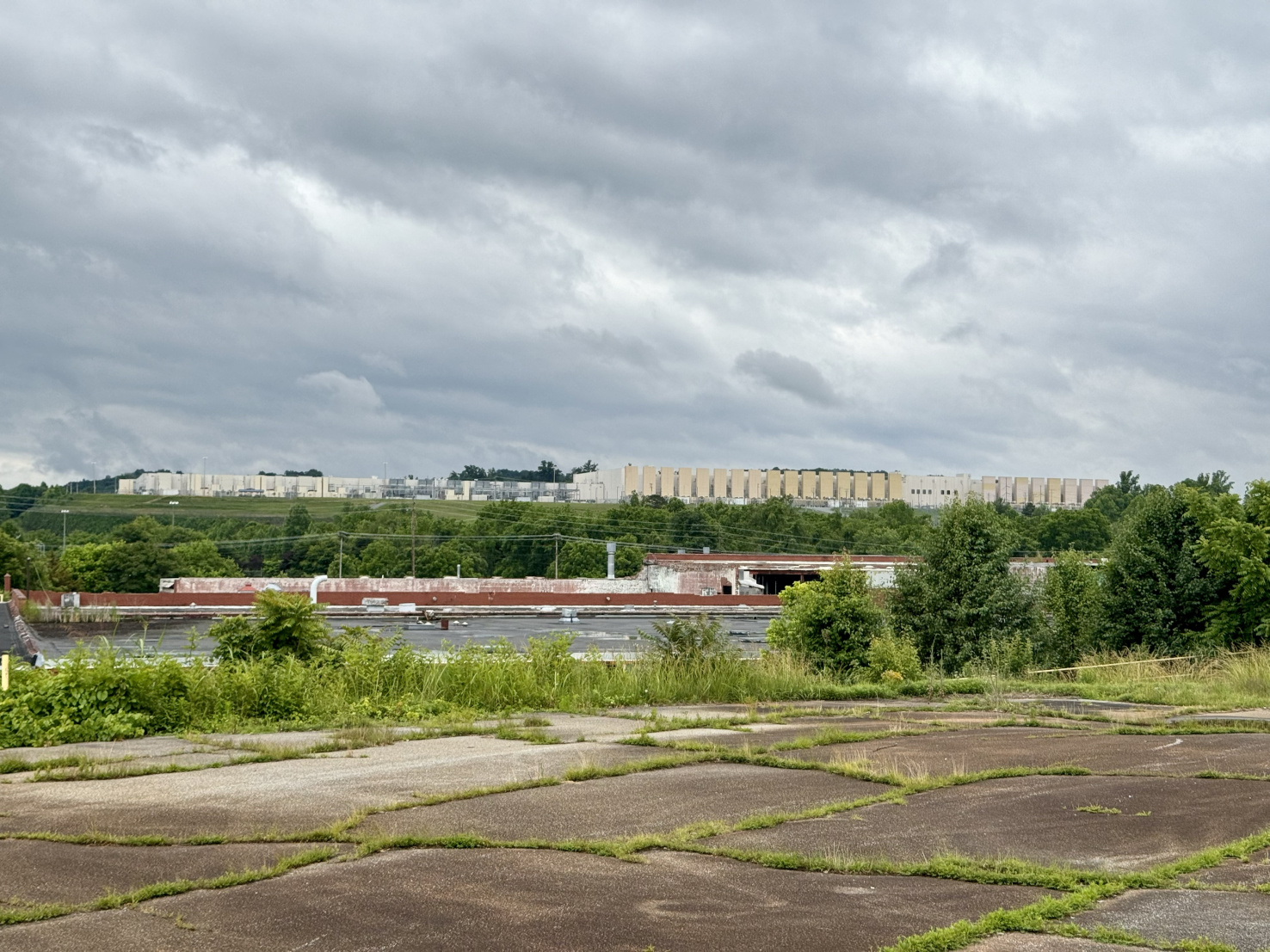
While unseen infrastructure is important, any book on the cloud would be incomplete without addressing the most impactful structure related to its existence — the data center. Fard notes that while some point to the economic development benefits of data centers outweighing their environmental impacts, the truth is that the construction jobs are temporary employment centers and the permanent jobs created are minimal.
Instead of giving up on data centers entirely, Fard writes that planners should look into ways to design data centers to be less environmentally burdensome. This adaptation is necessary to push for as the ability to continue to deny their existence is dwindling. We are creating massive amounts of data daily and that data needs a place to be stored. A contradiction occurs when we push for more smart cities, but turn down data center proposals in our communities.
“Grounding the Cloud” is a thought-provoking deep dive behind the curtain of the cloud and all the systems that give it life. From the more intangible technical aspects to the easier-to-grasp physical elements, Fard gives readers a deep understanding of the technology and how it’s beginning to infiltrate urbanism and city operations. Readers will start to question the ethical implications for cities that increasingly rely on data and tech platforms to improve operations. A follow up book is needed to help communities implement guardrails and help make informed decisions before continuing down into cloud urbanism.
To power data centers, Google seeks autonomous control of thousands of homes’ electricity
The tech company has signed a deal to indirectly pay Mid-Atlantic residents to reduce their power demand when the grid is strained.
Google Inks Nuclear Power Deal
Tech giants are seeking out renewable energy to fuel power-hungry data centers and AI applications.
Playing 'Telephone' with Transportation Data
The transportation policy debate regularly falls victim to incorrect or incomplete "facts" getting passed around like the game of telephone.

Planetizen Federal Action Tracker
A weekly monitor of how Trump’s orders and actions are impacting planners and planning in America.

Eastern Nebraska is running out of electricity
Data centers and electrification are straining eastern Nebraska’s grid, throttling economic development.

Study reveals best places in the U.S. for cycling, walking
New research from Streetlight Data examines bicycle and pedestrian miles per capita in the 100 largest U.S. cities by population.

Denver city council candidate hopes to transform transit lots into housing
Denver’s Regional Transportation District’s parking lots have vacancy rates around 80%.

Trump administration formally announces intend to sell federal land
The department’s strategic plan does not specify which lands it might sell to states or tribes.

Officials look to alter BART extension as price goes through the roof
Tariffs and the war with Iran are behind the rising cost.

FREE Course: Walkable City 1: Why Walkability?
After describing his path towards focusing on walkability as the essence of good planning, Jeff Speck marches through his five principal reasons for making more walkable places.
Reinventing Malls: Planning Alchemy—Turning Gray Fields Into Gold
The course focuses on the opportunities and imperatives that shape reinvention of mall sites.

City of Charlotte
City of Rosemead
Rutgers University, Edward J. Bloustein School of Planning and Public Policy
University of Michigan School for Environment and Sustainability (SEAS)
Hunter College, City University of New York (CUNY)
The Architects Foundation
City of Cambridge
The Pocatello Development Authority
The Urban Renewal Agency of the City of Pocatello

