Vermont and Maine residents may see a 76% increase in the cost of warming their homes this winter.



For the over 4 million households in the United States who rely on heating oil, the cost to warm their homes this winter may be "devastating," Tik Root writes for Grist. Because of the United States’ war with Iran, heating oil is the most expensive it's ever been. The National Energy Assistance Directors Association predicts that the cost of heating homes in the Northeast could go up 50%, or $878 per household. Vermont and Maine may see a 76% increase.
“These increases threaten to overwhelm the Low Income Home Energy Assistance Program, a federal safety net for those who cannot afford to heat or cool their homes. With existing aid buying far less fuel than it did before the war, Republicans and Democrats alike are pressing the Trump administration to release assistance quickly while Congress weighs whether to put billions more into the program. The situation is so dire that the governor of Massachusetts declared a state of emergency on Monday,” Grist reports.
Northeastern residents with oil furnaces may be able to offset the cost by turning to space heaters, but they are less efficient. Burning wood in a fireplace is another option, or weatherizing homes with insulation.
Read the full story: The Northeast’s reliance on heating oil is turning into a crisis

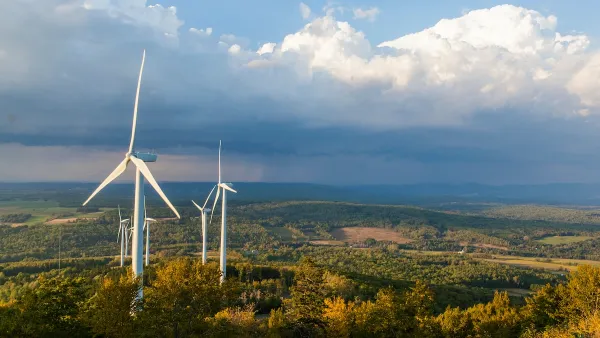
5 New England states march closer to 800 megawatt wind energy project
Securing federal approval for the project may be complicated under the Trump administration, which has historically been hostile towards domestic wind power.

Through ‘questionable’ means,Trump is paying to make offshore wind power disappear
The East Coast is in need of renewable energy, but wind farm developers face permit revocations and stop-work orders from the Trump administration.
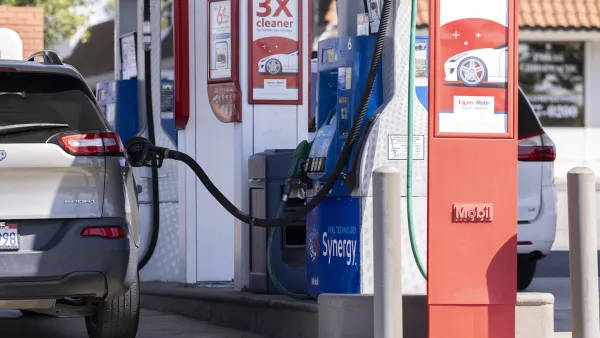
Analysis: Suspending the gas tax wouldn't save Americans much on gas this summer
Even if Congress approves a proposal to temporarily lift the federal gas tax, a variety of other factors and transportation and processing delays would mean American consumers would see little difference at the pump.

Planetizen Federal Action Tracker
A weekly monitor of how Trump’s orders and actions are impacting planners and planning in America.

‘Going backwards:’ Baltimore mayor, students rally against state's transit funding plan
Maryland's proposed six-year plan provides no funding for Baltimore’s BMORE bus program and reduces its road maintenance funding.

Detroit to transform waterfront with $2.2 billion investment
Developers will convert about 18 acres of unused parking lot space into civic spaces.

U.S.-Iran war may have ‘devastating’ impact on cost to warm homes
Vermont and Maine residents may see a 76% increase in the cost of warming their homes this winter.

Senate bill would ‘overhaul’ environmental permitting laws
Under the proposed act, government agencies would also not be able to suspend or rescind permits after granting them.

Exemption applications for NYC’s pied-à-terre tax see 55% success rate
The city sent nearly 40% of its initial pied-à-terre tax warnings erroneously.

FREE Course: Walkable City 1: Why Walkability?
After describing his path towards focusing on walkability as the essence of good planning, Jeff Speck marches through his five principal reasons for making more walkable places.
Reinventing Malls: Planning Alchemy—Turning Gray Fields Into Gold
The course focuses on the opportunities and imperatives that shape reinvention of mall sites.

One Hundred Miles
County of Mendocino
planning NEXT
The Architects Foundation
University of Cincinnati Online
Montrose County
Northern Illinois Transit Authority (NITA)
The Pocatello Development Authority