Community / Economic Development
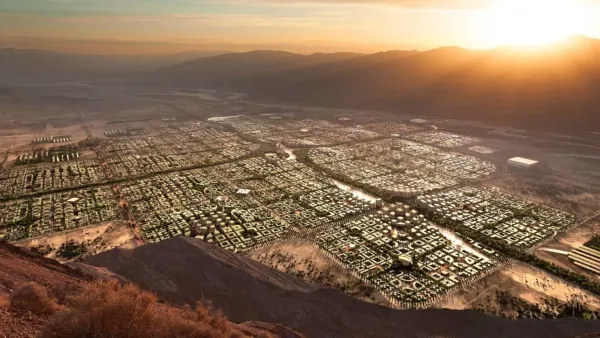
Why Tech-Utopian City Plans Fail
Like others before him, e-commerce billionaire Marc Lore wants to build the ideal city from scratch. Urban experts don't have much faith in his chances.
The Consequences of Community Engagement
Long, onerous environmental review processes focused on public input can cause major delays and cost increases for infrastructure and transportation projects.
The Pandemic Effect: Landlord Edition
A new survey highlights the impact of the COVID-19 crisis on small landlords, who provide much of the nation's low-cost rental housing.

Zoning Change to Create More Marijuana Business Opportunities in Chicago
By opening more of downtown Chicago to pot shops, the city hopes that more minority businesses owners can get in on the lucrative business of marijuana.
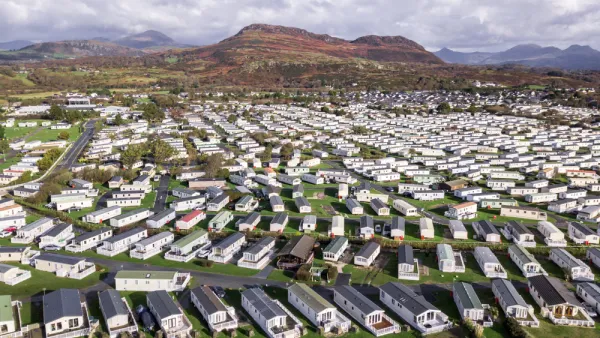
Mobile Home Parks Becoming Unaffordable as Investors Buy Up Properties
Longtime residents of mobile home parks are seeing their land rents go up as corporate investors seek to increase profits, aided in part by federally-backed loans.

An Ambitious Revitalization Agenda for Downtown Anchorage
A new mayoral administration in Anchorage has its sights set on a revitalized urban core, but one local researcher has suggestions for how to expand that vision.
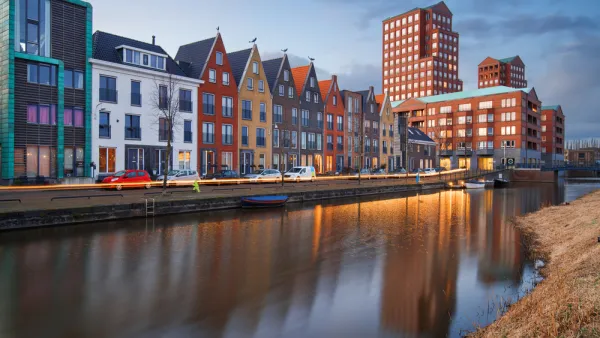
The Dutch to Crack Down on Large Investors in the Housing Market
Several Dutch cities are planning to limit the reach of large investors in the housing market by limiting the resale of cheap or mid-priced homes.

Post-Katrina Programs a Blueprint for Housing the Working Class
The housing initiatives developed after Hurricane Katrina teach valuable lessons for post-pandemic affordable housing production.
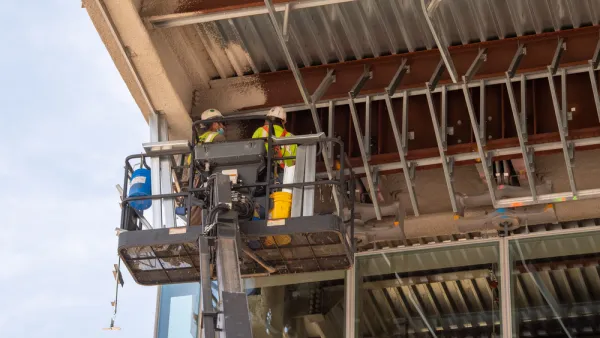
Delta Variant Slowing the Construction Industry
The spike in Covid-19 caused by the highly contagious Delta Variant is slowing the economic recovery in numerous sectors of the economy—case in point the construction industry.
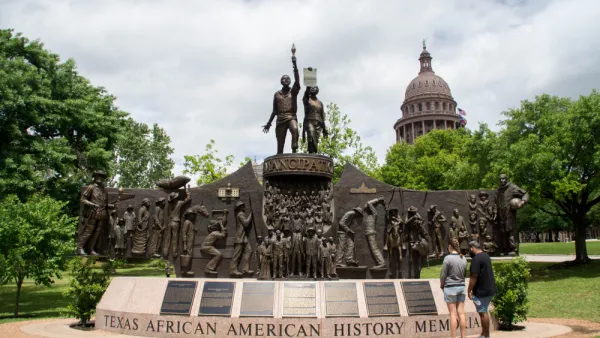
Boosting the Signal on East Austin's African American Cultural Heritage District
The city of Austin formally designated the African American Cultural Heritage District in 2007, but recently decided to focus new planning and economic development energy to reaffirm the district's significance in the community.
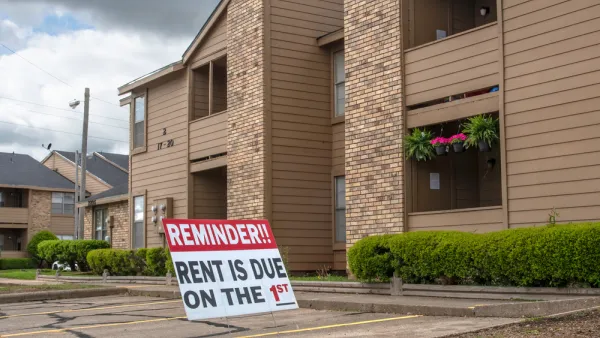
750,000 Evictions Predicted as Moratoria End
Analysts from Goldman Sachs predict a wave of evictions as eviction moratoriums end with millions of households still behind on rent.
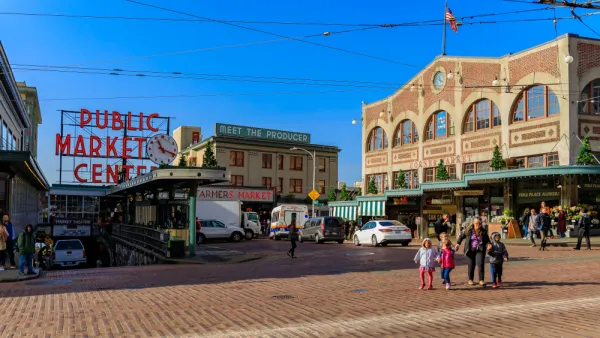
Seattle Accepting Proposals for Neighborhood Recovery Fund Projects
The fund will invest $6 million in community-led projects aimed at public space activation, digital equity, and other recovery strategies.
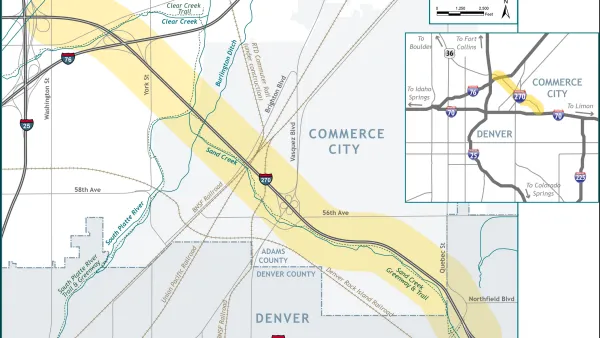
Colorado DOT To Study Air Quality Near I-270 Project—Residents Are Skeptical
The Colorado Department of Transportation has pledged to evaluate direct mitigation measures to reduce the impact of construction projects on nearby communities.
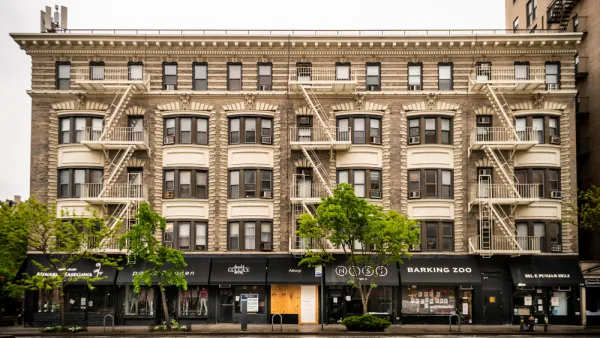
Homeownership an Uphill Battle for Black New Yorkers
Black home buyers face an array of challenges when trying to buy homes, leading to a widening gap between Black and white homeowners.
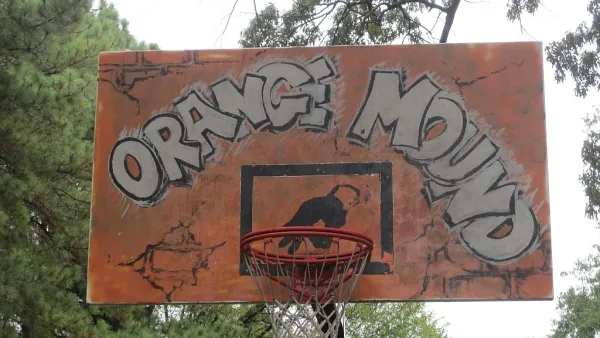
Memphis Targets Adaptive Reuse of Historic School for Neighborhood Benefits
A plan to rehabilitate the vacant former location of Melrose High School in Memphis' Orange Mound neighborhood "recalls many other recent initiatives aimed at elevating and investing in Black urban history."

The 'Mountain Lion' Cities Rising in the U.S. West
An economist identifies the growth in nine U.S. cities—scattered from Utah to Texas, Arizona, Washington, and Idaho—as similar to the economic power generated in parts of Asia.
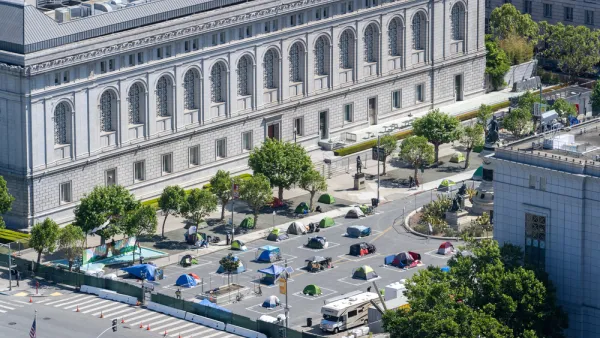
Cities Need More Public Bathrooms–Well Beyond the Pandemic
COVID-19 laid bare the dismal state of public bathrooms in America, and some cities stepped up to add more facilities. But why remove them while the need remains?
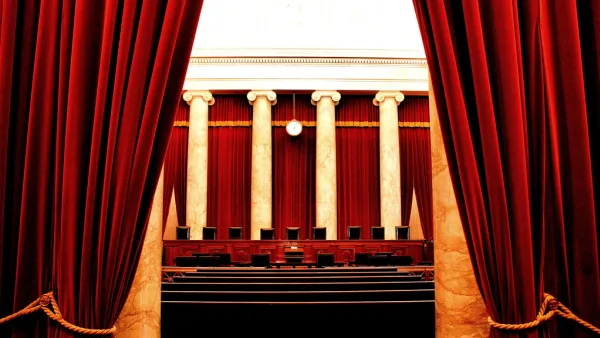
Supreme Court Strikes Down Federal Eviction Moratorium
The majority opinion claims the CDC overstepped its authority and calls for congressional approval of any further eviction moratoriums.
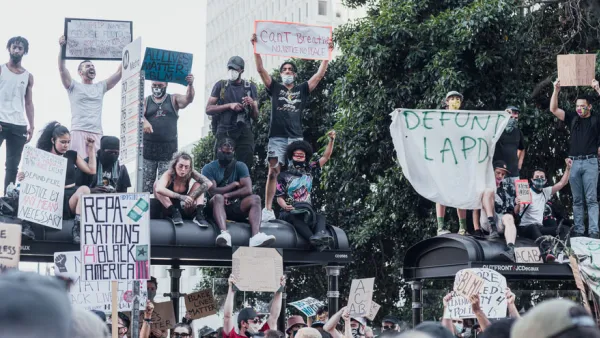
Reparative Planning as Movement Building
The "Metro as Sanctuary" campaign provides an example of movement-based planning. This kind of planning is relational and solidaristic, with an emphasis on collective decision-making, complementary divisions of labor, and mutual learning.
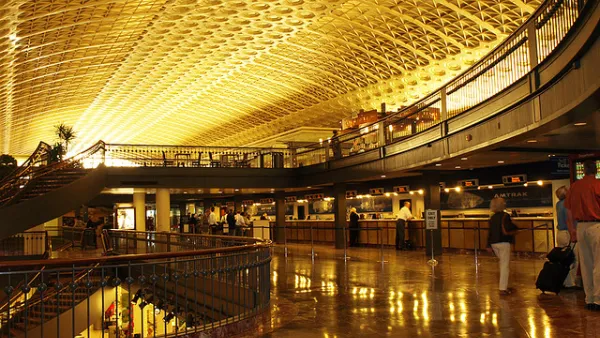
D.C. Transit Implementing Major Changes, Hopes to Boost Ridership
Flat fares, reduced wait times, and extended late-night service are all part of a package of changes meant to bring riders back and adjust to post-pandemic travel patterns.

FREE Course: Walkable City 1: Why Walkability?
After describing his path towards focusing on walkability as the essence of good planning, Jeff Speck marches through his five principal reasons for making more walkable places.
Reinventing Malls: Planning Alchemy—Turning Gray Fields Into Gold
The course focuses on the opportunities and imperatives that shape reinvention of mall sites.

City of Rosemead
Rutgers University, Edward J. Bloustein School of Planning and Public Policy
One Hundred Miles
University of Michigan School for Environment and Sustainability (SEAS)
Hunter College, City University of New York (CUNY)
The Architects Foundation
City of Cambridge
Montrose County
The Pocatello Development Authority









