Community / Economic Development
Detroit Residents Plant 15,000 Trees in a Day
The story of Hantz Woodlands—and a local philanthropist's vision to transform urban blight into an urban forest.
Gil Penalosa's 14-Point Prescription to Make St. Paul Great
Gil Penalosa was in the Twin Cities recently as part of the annual Placemaking Residency, convened by the Saint Paul Riverfront Corp. At the end of his stay, he prescribed 14 action points for Saint Paul.
Why School Integration Requires Neighborhood Integration
Emily Badger examines the role of housing segregation in obstructing the promise of Brown v. Board of Education.
The Need for Services for Denver's Suburban Homeless
Like in many other metro areas in the country, homelessness and poverty are spreading to the suburbs in Denver. And like in other suburban areas, homelessness hides better in the suburbs, so services can be scant for a problem that is large.
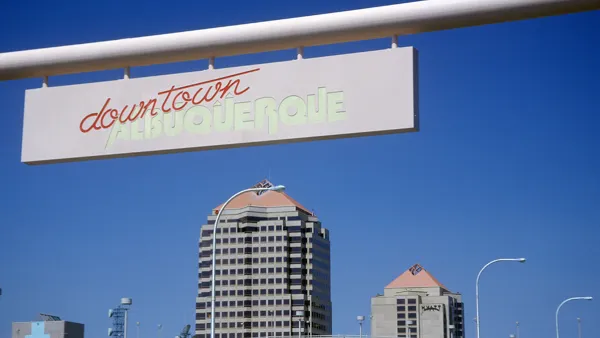
New Urbanism's Impact on Mid-Sized and Smaller Cities
Birmingham, Michigan; Albuquerque, New Mexico; Providence, Rhode Island; and others that adopted a new urban approach 15 or 20 years ago have transformed themselves.
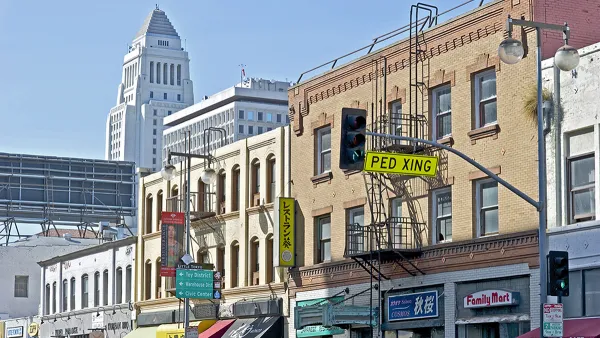
How Planning is Preserving Los Angeles' History
Los Angeles is coming of age, and with many cultures inhabiting many waves of development over the course of its settlement, the city's history is deep and rich. Recent articles detail multiple planning efforts aimed at preserving the city's history.
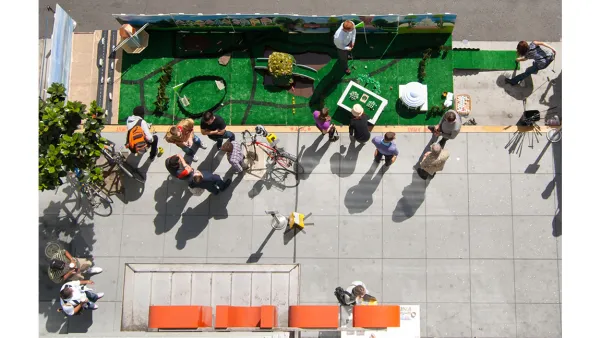
Questioning the Privileges of Tactical Urbanism
Does tactical urbanism too-often benefit the point of view of a privileged population, leaving behind more pressing needs?
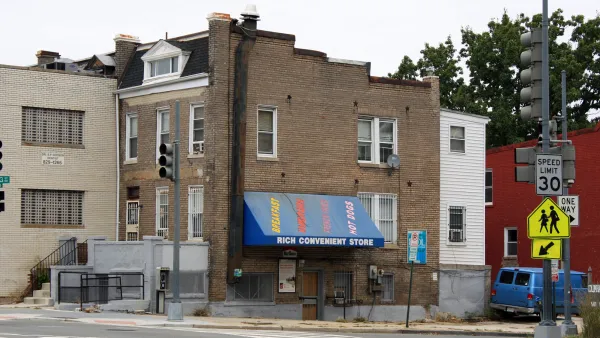
Do Old Buildings Contribute to Economic Vitality?
Emily Badger crunches the data on the argument by Jane Jacobs regarding the importance of old buildings to the economic health and quality of life of cities—an opinion described by Badger as "received wisdom among planners and urban theorists."
You Can't Just Throw Money at Community Development
Living Cities set out to lend money to community development financial institutions in five distressed cities but were met with a mountain of challenges. Here are the lessons learned from addressing the lack of "capital absorption capacity."
Multimedia Campaign Hopes Homeowners Will Put Down Roots in New Haven
New Haven recently launched a campaign called RE: New Haven in the hopes of increasing the city’s homeownership rate. Will the incentive-backed, multimedia approach work in increasing residents' stake in the community?
Los Angeles' Promise Zone Treats Schools as Hubs to Strengthen Communities
With the national Promise Zone grant initiative rolling out in Los Angeles, the Youth Policy Institute aims to deploy funds strategically in targeted areas that struggle with poverty.
Suburban Poverty Case Study: Cobb County, Georgia
"We can’t understand what’s working in America’s cities unless we also look at what’s not working in the vast suburbs that surround them," writes Rebecca Burns.

How Planners Can Improve Public Health
Public health was one of the many topics to merge from the American Planning Association's recent national gathering. Here's a look at the proceedings from the conference's Planning Healthy Communities Symposium.
How the Gentrification Narrative Gets it Wrong
A writer points to surprising statistics about Brooklyn—mainly that much of the borough is growing poorer as real estate prices fall—to make a point about how the common gentrification narrative fails cities.
Newark's Financial Trouble Inviting Comparisons to Detroit
Beset by a large budget deficit and overwhelming poverty, Newark's local government services director has warned that the city might require state supervision.

Friday Funday: Turning a City Street into a Giant Waterslide
Artist Luke Jerram recently installed a 300-foot waterslide on Park Street in Bristol, UK. The "Park and Slide" event was massively attended and wildly popular.
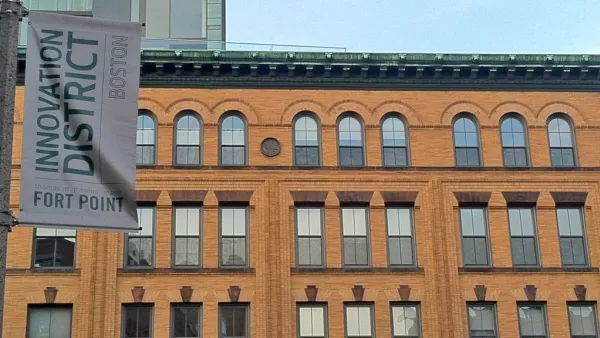
Urban America's 'Reconnaissance Mission for Progressive Politics'
Recent commenters have described cities as the locus for a new type of liberalism that benefits a broader swath of demographics. Dissenters wonder whether certain progressive cities, enabled by privilege, are merely drivers of inequality.
Ranking the Best City Brands
"The inaugural Guardian Cities brand barometer ranks world cities on everything from transport and weather to crime and social 'buzz.'" Guardian Cities released a trio of posts in connection with the rankings.
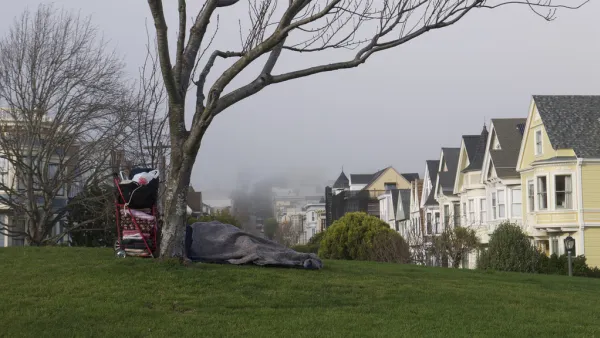
Do We Need Affordable Housing or Affordable Living?
Two primary strategies will help to achieve affordable living: Reduce household transportation costs and support smaller living spaces.
Let Your Freak Flag Fly
In the celebratory spirit of Cinco de Mayo, Scott Doyon invites you to let your freak flag fly.

FREE Course: Walkable City 1: Why Walkability?
After describing his path towards focusing on walkability as the essence of good planning, Jeff Speck marches through his five principal reasons for making more walkable places.
Reinventing Malls: Planning Alchemy—Turning Gray Fields Into Gold
The course focuses on the opportunities and imperatives that shape reinvention of mall sites.

KFH Group Inc.
Greater Baltimore Committee
Eagle County Government
The Architects Foundation
University of Cincinnati Online
The Pocatello Development Authority
The Urban Renewal Agency of the City of Pocatello