For the first time in over 50 years, streetcars are on their way back to the nation’s capital, where long-term, the city will build 37 miles of tracks. D.C. planners are citing Portland as the model for an expected rush of development investment.


D.J. O’Brien reports on the high hopes of planners and advocates for D.C.’s under-construction 37-mile streetcar network—especially for the wave of new development that they hope will result in the areas around the new tracks.
“The District’s Office of Planning expects up to $8 billion in new development within 10 years after completing work on the eight planned streetcar lines,” reports O’Brien. That includes investments in every type of use: “District officials forecast demand for office space would increase by 3 million square feet and retail space by an additional 1.3 million square feet, supporting up to 1,200 net new households in the District each year.”
Supporters point to the recent development proximate to the 2.2 miles of track already installed along H-Street. There, “[a] 215-unit apartment building completed construction last year at 360 H St NE, along with a new Wal-Mart at 77 H St. NW.”
Read the full story: After streetcar line opens, $18B in development expected in D.C.

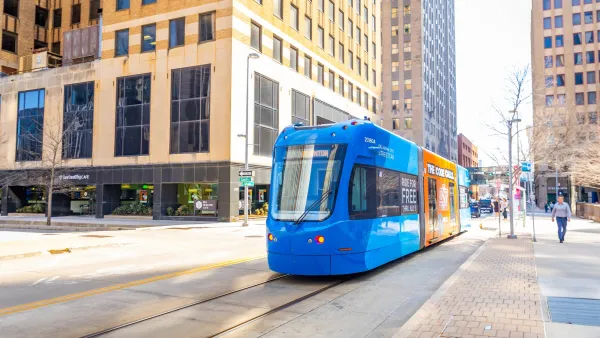
OKC streetcar will stay fare-free after ridership shot up 74%
The downtown streetcar saw a surge in ridership after it eliminated fares in January.
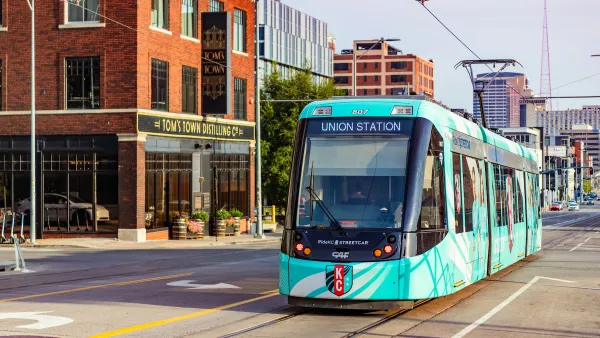
Kansas City completes riverfront streetcar extension
The streetcar line carries a third of the region's transit riders.
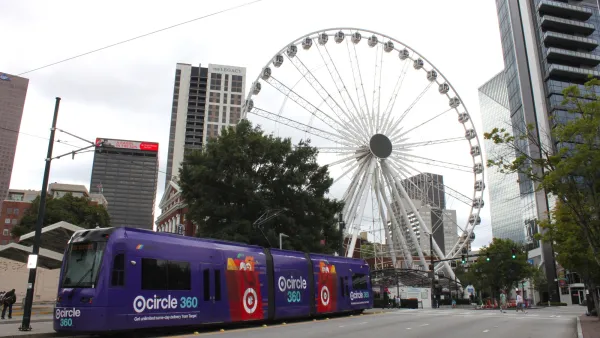
MARTA Streetcar Returns February 3
Streetcar service in Atlanta was suspended for five months for repairs and upgrades.

Planetizen Federal Action Tracker
A weekly monitor of how Trump’s orders and actions are impacting planners and planning in America.

‘Going backwards:’ Baltimore mayor, students rally against state's transit funding plan
Maryland's proposed six-year plan provides no funding for Baltimore’s BMORE bus program and reduces its road maintenance funding.
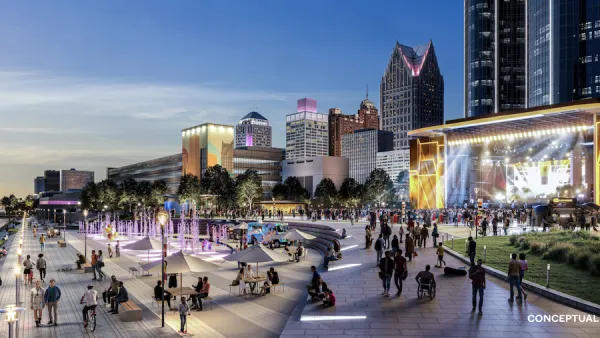
Detroit to transform waterfront with $2.2 billion investment
Developers will convert about 18 acres of unused parking lot space into civic spaces.

U.S.-Iran war may have ‘devastating’ impact on cost to warm homes
Vermont and Maine residents may see a 76% increase in the cost of warming their homes this winter.

Senate bill would ‘overhaul’ environmental permitting laws
Under the proposed act, government agencies would also not be able to suspend or rescind permits after granting them.

Exemption applications for NYC’s pied-à-terre tax see 55% success rate
The city sent nearly 40% of its initial pied-à-terre tax warnings erroneously.

FREE Course: Walkable City 1: Why Walkability?
After describing his path towards focusing on walkability as the essence of good planning, Jeff Speck marches through his five principal reasons for making more walkable places.
Reinventing Malls: Planning Alchemy—Turning Gray Fields Into Gold
The course focuses on the opportunities and imperatives that shape reinvention of mall sites.

One Hundred Miles
County of Mendocino
planning NEXT
The Architects Foundation
University of Cincinnati Online
Montrose County
Northern Illinois Transit Authority (NITA)
The Pocatello Development Authority