These 15 ancient cities can help modern urbanites plan more efficient and sustainable municipalities.


"A study at a US university is the latest to use ancient cities to mine secrets for today's urban centers.
Funded by the US National Science Foundation, a team of scientists at the Global Institute of Sustainability at Arizona State University (ASU) have embarked on a survey of ancient cities titled "Service Access in Pre-Modern Cities."
"The study aims to discern patterns of access to markets, worship sites, and other urban facilities that existed in ancient, non-Western urban areas," writes Mary Jander.
"By looking at archeological records and other data, the ASU team hopes to see how old cities planned access to these services by social class or other factors. In turn, this information could help modern cities set policies about access to similar services that affect the use of resources such as water and energy."
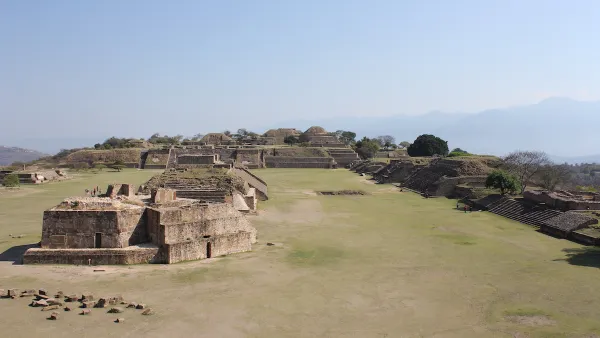
Jander goes on to discuss 15 ancient cities and the lessons they impart on cities of the 21st century.
FULL STORY: 15 Ancient Cities and What They Teach Us

First Cities: Planning Lessons for the 21st Century
A new book about urban planning in the deep human past explores principles, strategies, and lessons relevant for today.

Amazonian Ruins Reveal Ancient ‘Garden Urbanism’
An archaeological site shows evidence of a unique layout of dense residential buildings interspersed with a network of roads and farmland.

Lessons for Software UX From Ancient City Planners
Cities have been designed for user experience (UX) for millennia, and contemporary UX designers have plenty to learn from planners, according to a recent article in Fast Company.

The state-sanctioned urbicide of Austin
People don’t kill cities. Freeways do.

US to reduce Colorado River water deliveries to Mexico
A new Colorado Treaty amendment reduces Mexico’s Colorado River water allocation by 250,000 acre feet.

New Jersey’s second-largest city bans standalone data centers
Jersey City will continue to allow co-location facilities, such as those meant for research institutions that store their own data.

Amtrak not solely to blame for New Jersey commuter rail's unreliability, report finds
A new study from the Garden State Initiative found that NJ Transit’s budget grew 20% across a 4 year period, but reliability declined significantly over the same period.

EPA erases limits on planet-warming pollution from power plants
Under Monday’s plan, power plants would still have some limits on how much mercury, arsenic and other contaminants they can emit.

Phoenix announces new on-demand transit service, more frequent RAPID buses
Both new services will launch in October, and are part of Phoenix's Project Effective Access Solutions for Easing Congestion.

FREE Course: Walkable City 1: Why Walkability?
After describing his path towards focusing on walkability as the essence of good planning, Jeff Speck marches through his five principal reasons for making more walkable places.
Reinventing Malls: Planning Alchemy—Turning Gray Fields Into Gold
The course focuses on the opportunities and imperatives that shape reinvention of mall sites.

Eagle County Government
Harvard University Graduate School of Design
Nashville Planning Department
The Architects Foundation
University of Cincinnati Online
The Pocatello Development Authority
The Urban Renewal Agency of the City of Pocatello
Journal of the American Planning Association