United States
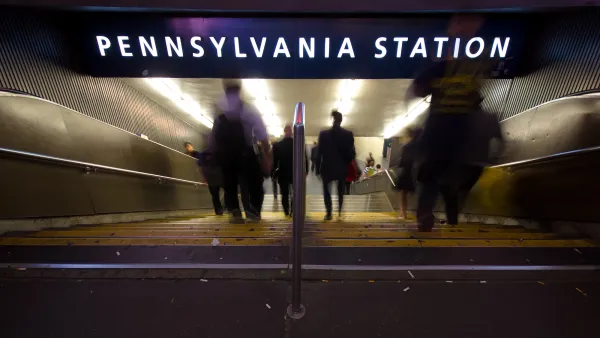
New Penn Station design won't move Madison Square Garden
Amtrak and federal officials agreed on a new plan for the station's redesign that may be largely funded by the federal government.
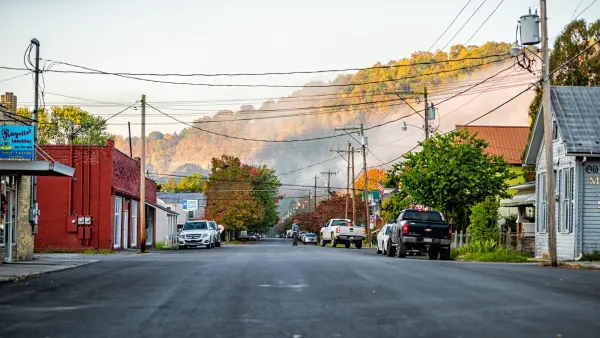
The categorization conundrum of the American exurbs
Exurban counties exemplify the shortcomings of defining rural at the county level.
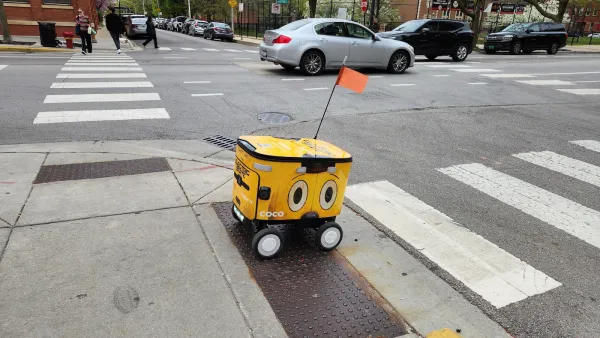
West Hollywood makes delivery robots paying road users
Cities are looking for creative ways to regulate food delivery robots, in some cases putting them to work gathering data for ADA compliance or collecting revenue for sidewalk maintenance.
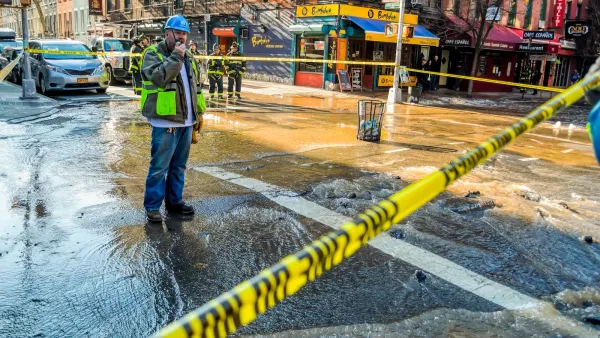
Public works officials indicate alarming decline in condition of water and sewer systems
Increased awareness of infrastructure issues combined with aging equipment and more extreme weather are leading more public works officials to feel their local systems are 'unsatisfactory.'
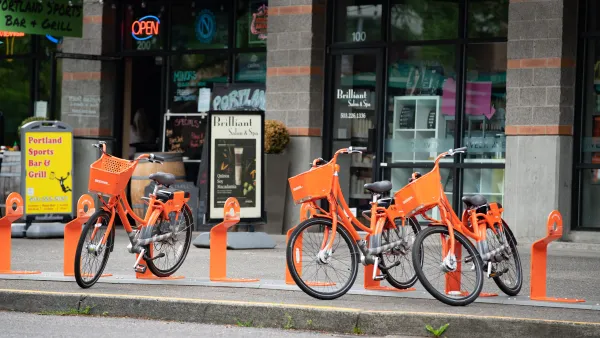
New bill would open federal funds to bike- and scooter-share
Democratic Representative Val Hoyle hopes that the Shared Micromobility Investment Act will remove barriers to cities accessing micromobility funding.
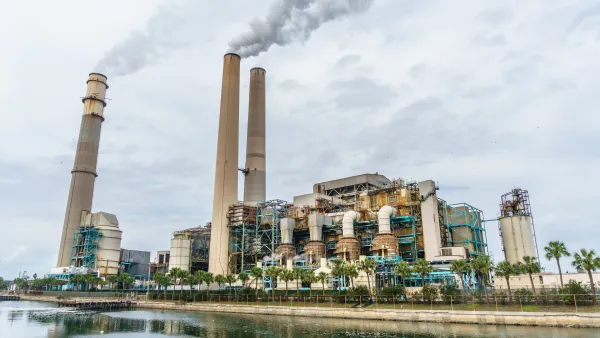
EPA to slash water treatment requirements for coal plants, citing growing electricity demand from AI data centers
The agency says the revisions to wastewater regulations — which critics call dangerous to human health — will decrease energy production costs by $1.1 billion annually.
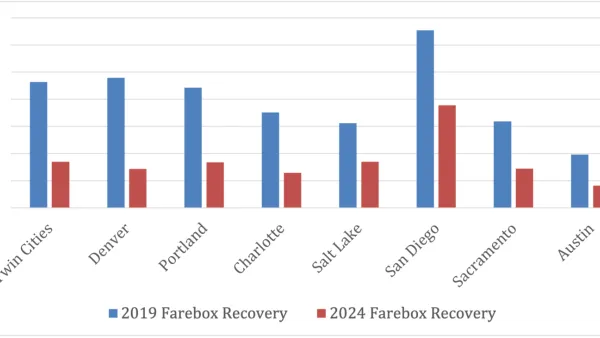
Nine chilling charts that illustrate transit's fiscal woes
The Eno Center for Transportation's latest data dump offers frightening insight into the state of transit's fiscal health nationwide.
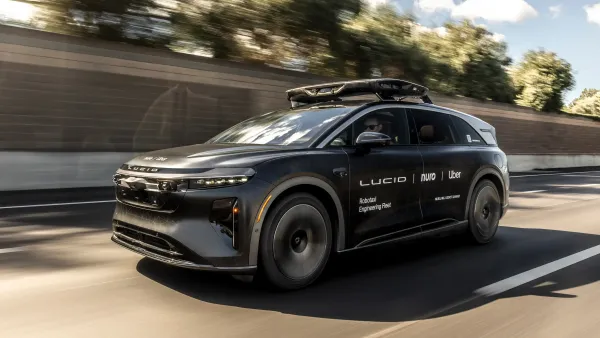
Uber commits $10B to AV fleet — while trashing Waymo
The ride-hailing giant is calling Waymo's model “less scalable” and “less reliable” than Uber’s hybrid approach mixing human drivers and AVs.
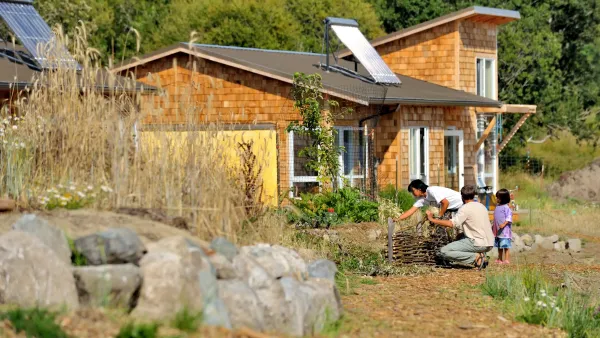
Community land trusts could be the secret to more co-op housing. Just ask Canada.
In Canada, more than half of all housing on community land trusts is cooperative housing. In the U.S., that number is less than 2%. Why?
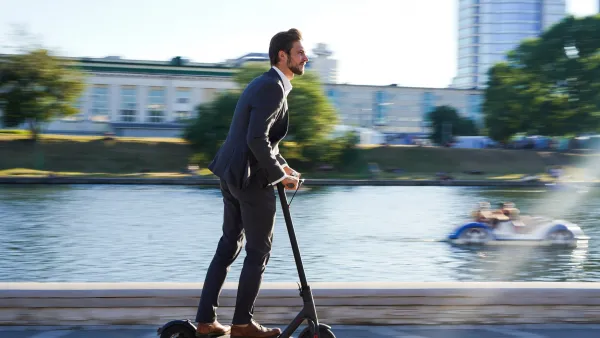
As oil prices skyrocket, so do employer-paid e-bike and scooter subscriptions
Ridepanda subscriptions, which allow companies to offer e-bike and scooter subscriptions as a workplace perk, are up over 300% as commute costs soar.
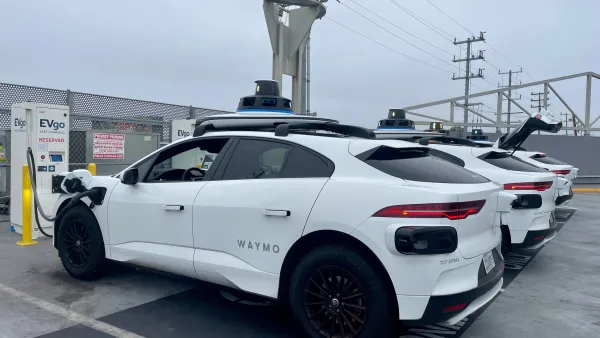
Waymo recalls 3800 robotaxis with '100% defect rate' after dangerous flood incident
Federal regulators determined the vehicles pose significant danger due to a defect that caused one empty taxi to be swept away by flood waters.
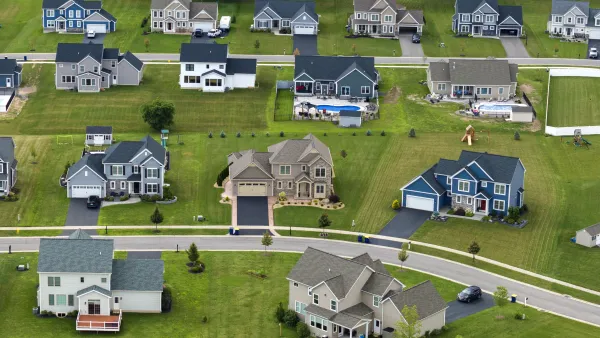
Johns Hopkins updates their sprawl database
In a follow up to their 2014 study, Johns Hopkins has released new data on urban sprawl in the U.S. and new findings on its health and wellbeing impacts.

Trump cancels rule that made conservation an official 'use' of public land
The rule allowed the Bureau of Land Management, which oversees about 10% of land in the U.S., to put conservation on equal footing with resource extraction and other development.

Breaking point: Why the affordable housing business model is unraveling
Affordable housing has never been easy to finance. Now, with rising insurance, debt, and operating costs outpacing rents and subsidies, developers say it’s getting harder to make the math work.
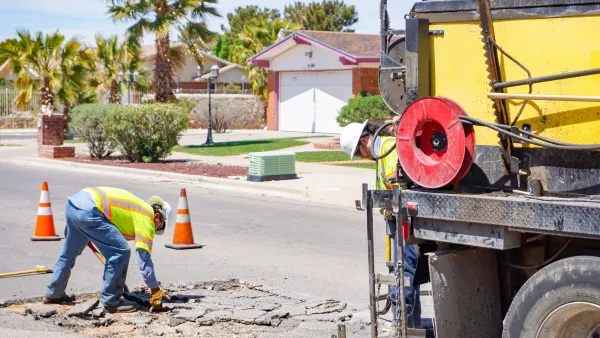
Report: 16% of roads that received federal funds remain in poor condition
Despite a glut of federal funding, most state DOTs used the money for expanding highways instead of maintaining existing roads.
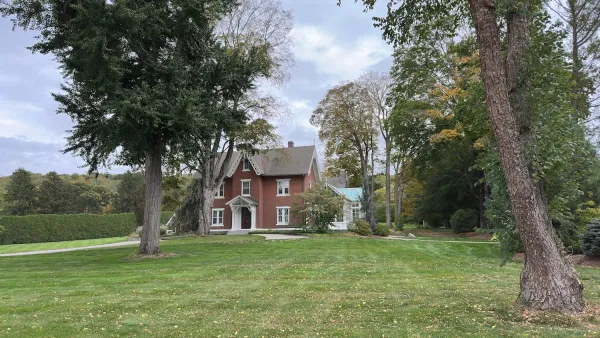
Study: Minimum lot sizes reinforce racial disparities
A Connecticut study found that zoning rules perpetuate residential segregation.

Nvidia wants to turn your home into a mini data center
A partnership between Nvidia and a homebuilder could transform individual homes into data centers that can be deployed much faster and at less cost than building massive data center complexes.
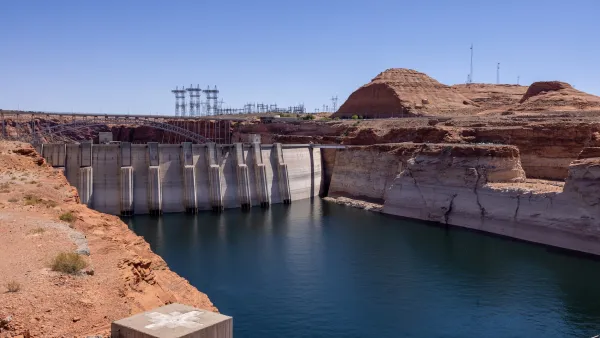
Colorado River flows will reach historic lows this summer
Officials have started reducing water release from Lake Powell to prevent water levels from becoming too low for hydroelectric production.
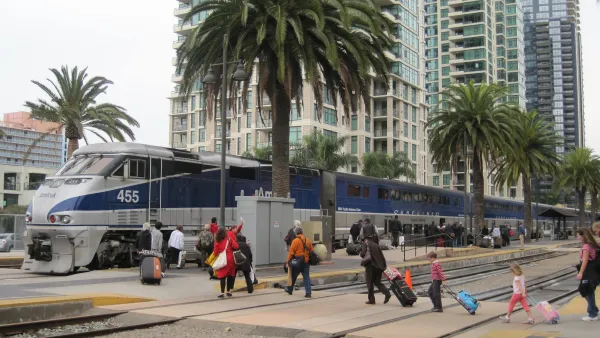
New federal insurance law could kill US passenger rail within weeks
Passenger rail agencies will be required to acquire roughly $400 million in excess liability insurance.
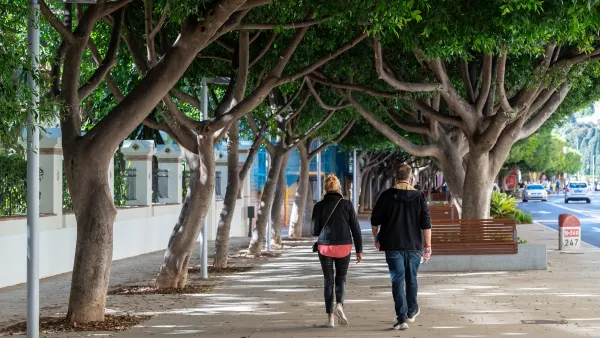
Green blocks are up to 4 degrees cooler than treeless streets
The difference in temperature created by urban trees can translate to as much as 40% less excess heat.

FREE Course: Walkable City 1: Why Walkability?
After describing his path towards focusing on walkability as the essence of good planning, Jeff Speck marches through his five principal reasons for making more walkable places.
Reinventing Malls: Planning Alchemy—Turning Gray Fields Into Gold
The course focuses on the opportunities and imperatives that shape reinvention of mall sites.

City of Charlotte
City of Rosemead
Rutgers University, Edward J. Bloustein School of Planning and Public Policy
University of Michigan School for Environment and Sustainability (SEAS)
Hunter College, City University of New York (CUNY)
The Architects Foundation
University District Partnership









