How cities are taking innovative approaches and adopting technology to develop sustainable, long-term funding sources for transportation infrastructure.


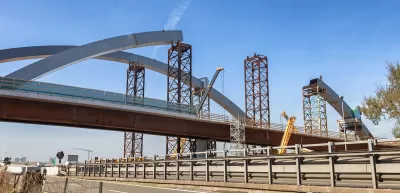
Transportation infrastructure is the lifeblood of any thriving city, enabling the movement of people and goods that fuels economic growth and enhances quality of life. However, local governments face significant challenges in securing adequate funding for critical transportation improvement projects. While many cities maintain traditional strategies for the funding of urban transportation initiatives, progressive urban regions are now implementing reimagined approaches that leverage innovative technologies to create sustainable and renewable sources of funding through smart transportation solutions.
The funding conundrum
Local city governments often struggle to allocate sufficient resources for transportation infrastructure improvements within their limited budgets. With competing priorities such as public safety, education, and social services, transportation projects sometimes take a back seat. However, neglecting transportation infrastructure can lead to increased congestion, reduced mobility, and economic stagnation.
To address this challenge, cities must pursue diverse funding sources and develop creative financing strategies. Common funding mechanisms include local tax revenues such as property and sales taxes, state and federal grants, bond measures, public-private partnerships, special assessment districts, and user fees or tolls.
Federal grants play a crucial role in supporting local transportation initiatives. Programs like the U.S. Department of Transportation's BUILD (Better Utilizing Investments to Leverage Development) grants provide competitive funding for projects that have a significant local or regional impact. In 2020 alone, the BUILD program awarded $1 billion to 70 projects across 44 states, underscoring its importance in catalyzing transportation improvements nationwide.
Incorporating grants into operating budgets
Securing grant funding is only the first step in addressing the challenges of transportation infrastructure financing. Cities must carefully integrate these funds into their operating budgets to ensure the long-term sustainability of transportation projects. This process typically involves identifying matching fund requirements and developing multi-year capital improvement plans.
Additionally, cities must allocate resources for ongoing maintenance and operations while establishing dedicated transportation funds that can leverage grant funds to attract additional investments. By strategically incorporating grant funding into their budgets, cities can amplify the impact of their transportation investments and create a virtuous cycle of improvement.
The critical importance of ongoing funding
Maintaining a robust and efficient transportation network requires consistent, long-term investment. One-time infusions of capital are not sufficient to address the evolving needs of growing urban areas; ongoing funding is essential for regular maintenance and repairs, adapting to changing travel patterns and technologies, expanding capacity to meet future demand, implementing safety improvements, and enhancing accessibility and equity. The American Society of Civil Engineers (ASCE) estimates that the U.S. faces a staggering $786 billion backlog of road and bridge capital needs. This figure underscores the importance of sustained investment in transportation infrastructure.
Driving economic growth and quality of life
Well-maintained and efficient transportation systems are fundamental to urban prosperity. They enable improved access to jobs and economic opportunities while enhancing business productivity and competitiveness.
Furthermore, efficient systems contribute to reduced congestion and travel times, lower transportation costs for households and businesses, increased property values in well-connected areas, and improved public health through reduced emissions and increased active transportation options. A study by the American Public Transportation Association (APTA) found that every $1 invested in public transportation generates $5 in economic returns. This multiplier effect demonstrates the far-reaching benefits of transportation investments for local communities.
Innovative approaches to transportation improvement
Progressive cities are increasingly turning to advanced technologies to address transportation challenges in cost-effective ways. By partnering with technology solution providers, these municipalities are implementing smart systems that optimize existing infrastructure without requiring massive capital investments. One prime example is the use of advanced technology, data analytics, and AI to create smarter, more efficient traffic management systems. Traffic signal prioritization (TSP) is a prime example of how these technologies can be applied to improve urban mobility.
TSP involves using real-time data and AI algorithms to adjust the timing of traffic lights dynamically. This technology can give priority to transit buses and emergency vehicles, ensuring they move through intersections with minimal delays. By doing so, it enhances the reliability and efficiency of public transit systems and enables emergency responders to reach their destinations more quickly.
The key to the success of these advanced technologies lies in their ability to leverage data for continuous improvement. By collecting and analyzing vast amounts of traffic data, cities can identify congestion hotspots and inefficiencies while optimizing signal timing plans in real time. These systems also provide accurate travel time information to commuters, improve emergency vehicle response times, and enhance public transit operations.
For instance, local officials in King County, Seattle, have implemented TSP solutions to improve local transit. The program has been so successful that the savings they achieve enable them to include the technology in their operating budget as opposed to relying on grant money for funding.
Sustainable funding through operational efficiencies
One compelling aspect of technology-driven solutions is their potential for self-sustainability. While initial implementation may be funded through grants or other one-time sources, the operational efficiencies they create can generate ongoing savings and revenue streams.
These benefits include reduced fuel consumption for public transit vehicles due to improved traffic flow; lower maintenance costs for roads and vehicles; increased public transit ridership resulting from enhanced service quality; and enhanced revenue from more efficient parking management systems. By reinvesting these savings into their transportation programs, cities can create a virtuous cycle of continuous improvement that allows them to expand their infrastructure without placing undue burden on local taxpayers.
As cities continue to grow and evolve, the need for efficient and sustainable transportation systems becomes ever more critical. By embracing innovative technologies and data-driven approaches, local governments can overcome funding challenges while implementing transformative improvements in their transportation infrastructures. These solutions not only address immediate congestion issues but also create a foundation for long-term economic growth as well as enhanced quality of life for residents.
The success stories of cities like San Jose illustrate that with strategic planning coupled with a willingness to embrace new technologies, it is possible to create effective yet financially sustainable transportation systems. As more cities adopt these approaches, we can look forward to a future characterized by smarter urban mobility that benefits all community members.
Timothy Menard is the Founder and CEO of LYT, provider of cloud-based open-architecture smart traffic solutions. LYT makes traffic lights smart by enabling them to see and respond to traffic. By doing so LYT can prioritize first responders and public transportation vehicles so they can get to their destinations faster and safer.

Analysis: What does America want from surface transportation reauthorization?
Over 13,000 comments were submitted in the federal Request for Information on surface transportation reauthorization. We analyzed all of them.

USDOT Announces First Round of 2025 RAISE Grants
The agency awarded $1.32 billion in funds to transportation infrastructure projects aimed at road safety and mobility.
Follow Planetizen’s analysis of surface transportation reauthorization
Follow along as we explore the upcoming surface transportation reauthorization bill and its potential impacts on US transportation infrastructure in the coming years.

The state-sanctioned urbicide of Austin
People don’t kill cities. Freeways do.

US to reduce Colorado River water deliveries to Mexico
A new Colorado Treaty amendment reduces Mexico’s Colorado River water allocation by 250,000 acre feet.

New Jersey’s second-largest city bans standalone data centers
Jersey City will continue to allow co-location facilities, such as those meant for research institutions that store their own data.

Amtrak not solely to blame for New Jersey commuter rail's unreliability, report finds
A new study from the Garden State Initiative found that NJ Transit’s budget grew 20% across a 4 year period, but reliability declined significantly over the same period.

EPA erases limits on planet-warming pollution from power plants
Under Monday’s plan, power plants would still have some limits on how much mercury, arsenic and other contaminants they can emit.

Phoenix announces new on-demand transit service, more frequent RAPID buses
Both new services will launch in October, and are part of Phoenix's Project Effective Access Solutions for Easing Congestion.

FREE Course: Walkable City 1: Why Walkability?
After describing his path towards focusing on walkability as the essence of good planning, Jeff Speck marches through his five principal reasons for making more walkable places.
Reinventing Malls: Planning Alchemy—Turning Gray Fields Into Gold
The course focuses on the opportunities and imperatives that shape reinvention of mall sites.

Eagle County Government
Harvard University Graduate School of Design
Nashville Planning Department
The Architects Foundation
University of Cincinnati Online
The Pocatello Development Authority
The Urban Renewal Agency of the City of Pocatello
Journal of the American Planning Association

