United States
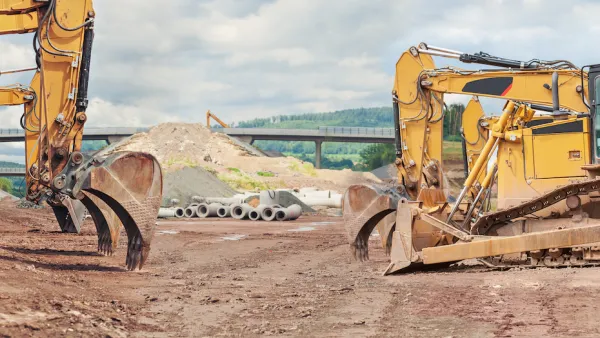
Report Evaluates Equity in Federal Infrastructure Grants
The report indicates that large formula funding programs tend to support the status quo, reinforcing car-centric planning and inequitable spending patterns.
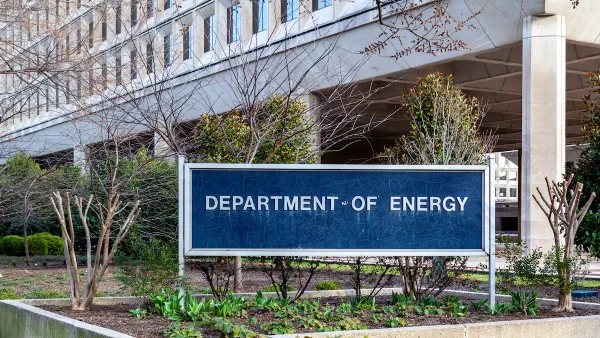
Department of Energy Moves to Improve Grid Interconnections
Adding new renewable energy projects to local grids can take an average of five years, slowing the process of reducing reliance on fossil fuels.
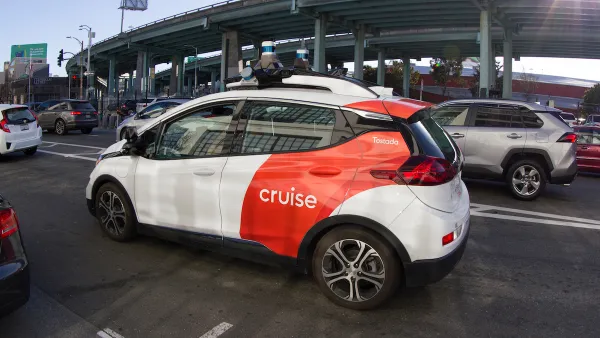
Cruise Suspends Driverless Operations, Waymo Pushes Ahead
While Cruise is pausing all of its autonomous services in a bid to “regain public trust,” Waymo, via Uber, will begin offering autonomous rides in Phoenix.

Study: Road Design, Speed Key Factors in Pedestrian Deaths
A recent study emphasizes the importance of good road design and low speed limits in keeping pedestrians safe.

Federal Agencies Update Rules to Support Office Conversions
New grant rules make it easier for local governments to acquire commercial properties for conversion to affordable housing.
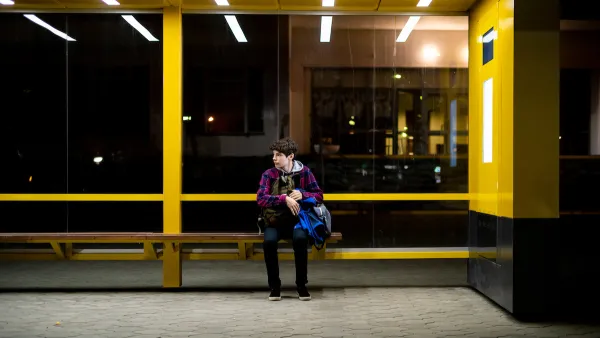
Study: How To Make Transit Safer
A new report recommends boosting ‘ambassador programs,’ improving reliability and frequency, and supporting more anti-harassment initiatives.

The Messy Politics of Saving Lives from Drug Overdoses
Philadelphia was on the verge of approving a key harm reduction strategy to prevent fatal drug overdoses until the city council all but banned supervised injection sites, overriding a mayoral veto. A New York Times report explores the controversy.
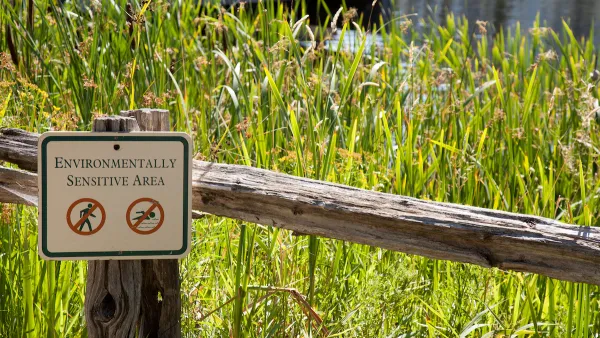
Misuse of Environmental Laws Betrays Their Intent
How laws written to protect natural resources and biodiversity are being reinterpreted by NIMBY groups to block development.
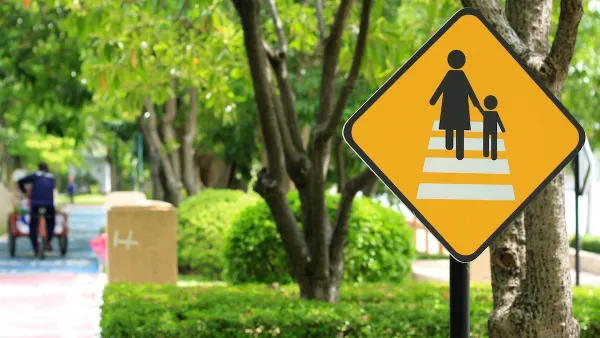
Opinion: To End Traffic Deaths, Cities Must Put Safety Over Speed
Eliminating road deaths requires an overhaul of U.S. infrastructure and regulations to prioritize the safety of people in cars, on foot, and on bikes.
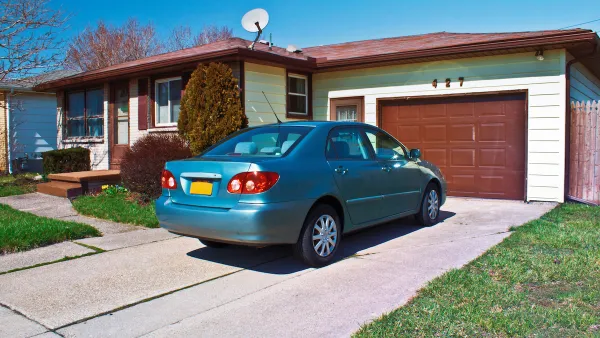
Opinion: Why ‘Starter’ Homes and Cars are Both Disappearing
How lower-income consumers are being priced out of accessible options.
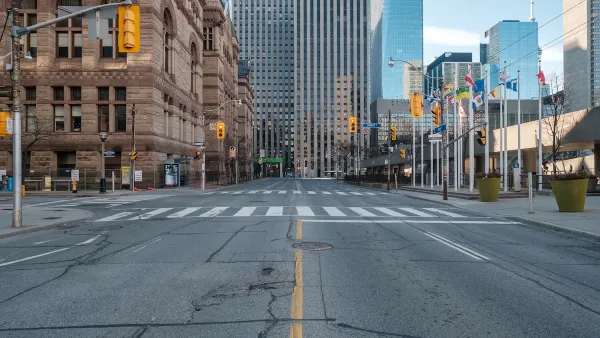
Sound Equity: The Unequal Impacts of Covid’s ‘Great Silence’
During the pandemic, many neighborhoods became quieter than ever—but not everyone experienced the benefits equally.

Do Environmentalists Confuse Oil Production With Oil Demand?
Samantha Gross, the director of the Energy Security and Climate Initiative at the Brookings Institution, argues that the key to reducing emissions is to do the hard work of reducing oil demand rather than focusing on ending U.S. oil drilling.

Quantifying the Impact of Pandemic Housing Assistance
The massive federal injection of funding into housing programs has had major impacts on many Americans’ ability to stay housed and out of debt, but fears loom as the end of some funding sources nears.
Feds To Investigate Autonomous Car Crashes
The NHTSA has opened an investigation into Cruise self-driving cars after four separate incidents that injured pedestrians in San Francisco.
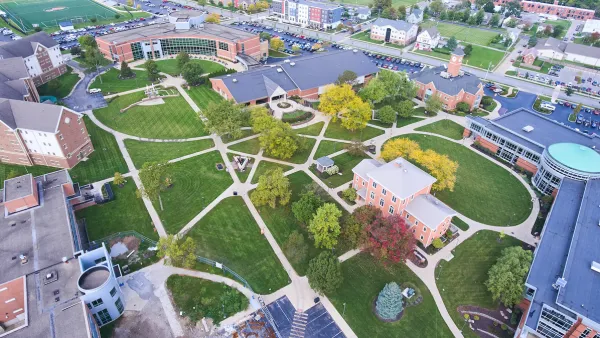
The Role of ‘Anchor Institutions’ in the Housing Crisis
Major employers and economic drivers like universities can use various tools to make housing more affordable for their students and staff.
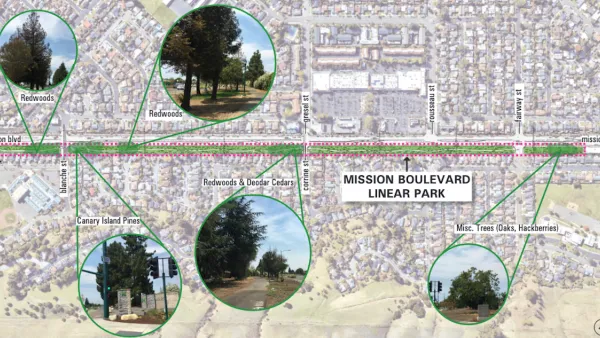
Parks Departments Try to Build New Green Spaces on Shrinking Budgets
Even as the role of parks and urban green space in public and ecological health becomes more apparent, city budgets are hard-pressed to meet the costs of park construction and maintenance.
Federal Rule Change Lets Banks Include ADU Income in Mortgage Decisions
A policy change from the Federal Housing Administration is designed to spur more rental housing construction and bring homeownership within reach of more U.S. households.

Opinion: The Arrogance of Social Media Urbanists
Criticism of ‘bad’ urban design and development policies leveled at ‘planners’ often obscures the complex nature of urban politics and land use regulations.
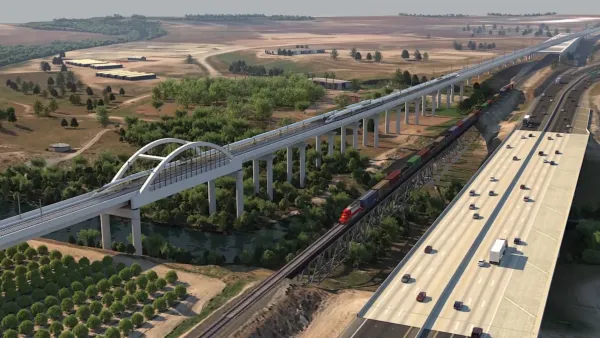
Report Quantifies the Potential Benefits of High-Speed Rail
Building more high-speed passenger rail in the United States could have significant economic and environmental impacts, creating jobs and reducing carbon emissions.
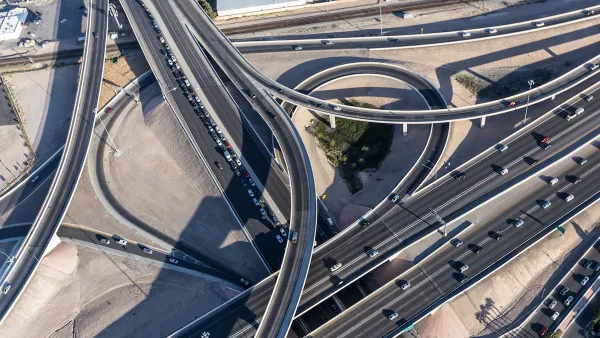
Restoring Solvency to the Highway Trust Fund
The Highway Trust Fund, the nation's source of road and bridge funding, went bankrupt in 2008 and has since relied on transfers from the General Fund to supplement fuel taxes. Republican Senators have proposed a new funding source: an EV fee.

FREE Course: Walkable City 1: Why Walkability?
After describing his path towards focusing on walkability as the essence of good planning, Jeff Speck marches through his five principal reasons for making more walkable places.
Reinventing Malls: Planning Alchemy—Turning Gray Fields Into Gold
The course focuses on the opportunities and imperatives that shape reinvention of mall sites.

One Hundred Miles
County of Mendocino
planning NEXT
The Architects Foundation
University of Cincinnati Online
Montrose County
Northern Illinois Transit Authority (NITA)
The Pocatello Development Authority









