United States
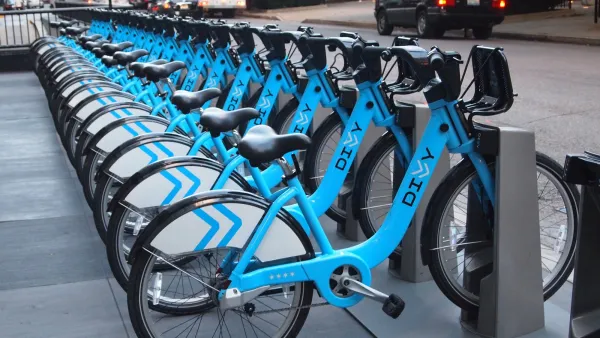
The Year in Micromobility
The industry is seeing uneven support despite high ridership numbers.

The Promise of Congestion Pricing
New York's long-awaited congestion pricing program could break open the controversial practice in the United States.

Designing Safer Cities
For women and other vulnerable groups, navigating the urban space can be fraught with real and perceived dangers.

Why Social Infrastructure Matters
The pandemic highlighted the importance of parks and public spaces for maintaining both the physical and mental health of urban residents.

Fixing the Housing Voucher Shortage
As low-income families wait years to receive housing assistance vouchers, experts suggest new ways to improve the program and help more eligible households.
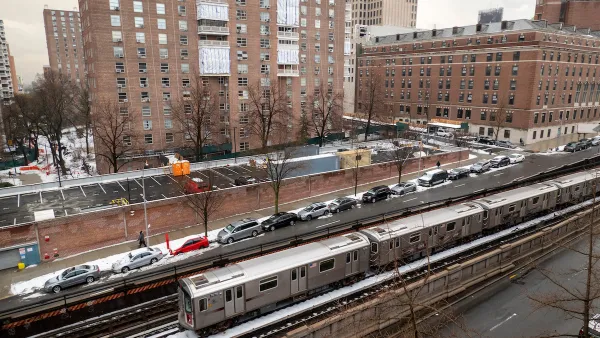
Federal Loan Programs Offer Billions for TOD
USDOT is encouraging developers to take advantage of loans aimed at supporting the building of multifamily buildings near transit lines.

Designing Cities With Youth in Mind
The car-centric design of many U.S. cities traps young people at home, preventing them from engaging in social activities and urban life.

Small-Scale Nuclear Power Dealt Major Setback
The company that made history in January when its 'small modular nuclear reactor' became the first in the nation to receive certification from the Nuclear Regulatory Commission has canceled it due to financial reasons.

Report: Transit Safety Begins With Better Service
Transit riders want more frequent service, less police.

USDOT Awards New Round of Safe Streets Grants
Over 200 cities and towns will receive $82 million for Complete Streets and other road safety planning and demonstration programs.
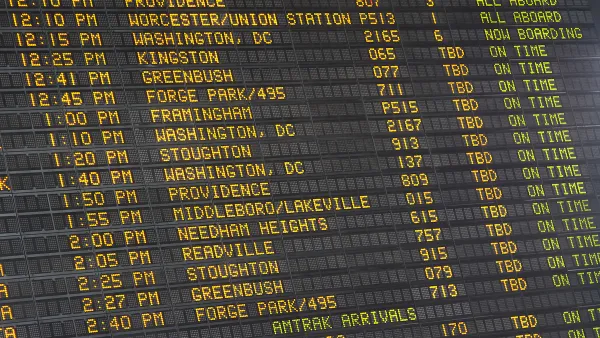
The Bright Future of U.S. Passenger Rail
High-speed rail may still be a distant vision in the United States, but conventional passenger rail is having a resurgence.
Rural Areas Experience Higher Food Insecurity
As pandemic-era assistance programs expire, the rate of food insecurity for rural households is rising higher than in their urban counterparts.
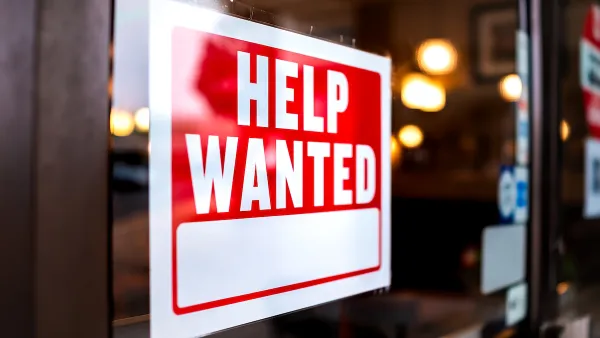
The Link Between Employment and Housing
For many people experiencing homelessness, the process of finding and keeping a job is fraught with challenges.

Report: Narrow Traffic Lanes Improve Safety
Narrowing lanes can improve road safety and reclaim space for other uses.
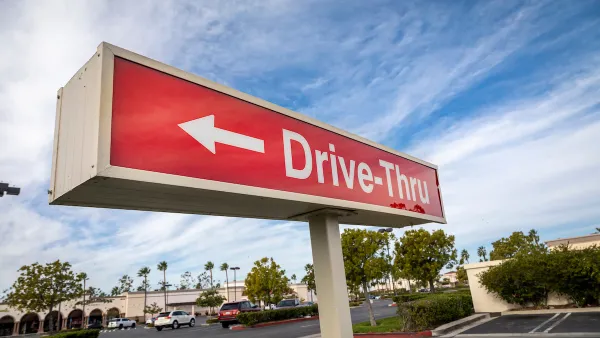
The Resurgence of Drive-Throughs
Dining areas in many fast food restaurants are being replaced with added drive-thru lanes, another post-pandemic impact on our lives benefiting those with four wheels (or more).

Planning for the Autonomous Future
With some historical perspective, transportation planners and policymakers can avoid the mistakes of the past and develop a transportation system that acknowledges the needs of all road users.

Transit’s Next Challenge: Climate Change
Extreme weather and erosion threaten transit infrastructure around the country.
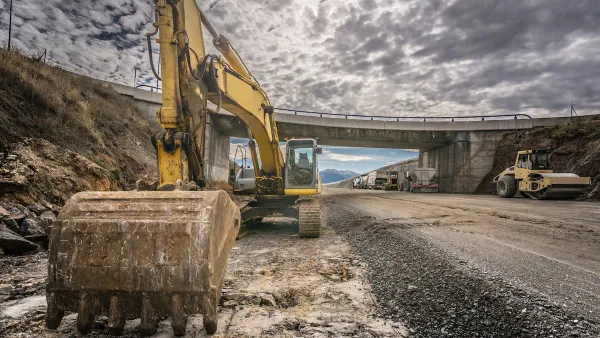
The Nation’s Most Wasteful Highway Projects
The 2023 Highway Boondoggles report is here.

Tracking the Recovery of Shared Mobility
A new report outlines ridership trends and the keys to success for bike and scooter share systems.
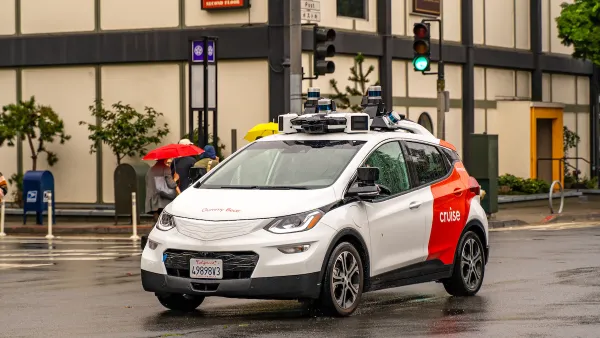
Cruise Recalls Autonomous Fleet
The scrutiny facing the troubled self-driving car operator could have significant implications for the industry.

FREE Course: Walkable City 1: Why Walkability?
After describing his path towards focusing on walkability as the essence of good planning, Jeff Speck marches through his five principal reasons for making more walkable places.
Reinventing Malls: Planning Alchemy—Turning Gray Fields Into Gold
The course focuses on the opportunities and imperatives that shape reinvention of mall sites.

One Hundred Miles
County of Mendocino
planning NEXT
The Architects Foundation
University of Cincinnati Online
Montrose County
Northern Illinois Transit Authority (NITA)
The Pocatello Development Authority









