Almost all U.S. mayors have some level of concern about climate change in their communities, but local leaders face some challenges in taking action.


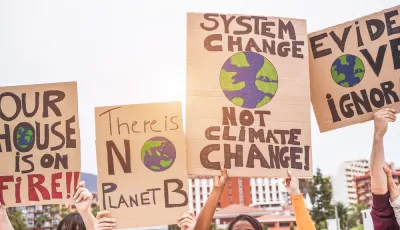
A new report from the Boston University Initiative on Cities indicates that most U.S. mayors are concerned about the impacts of climate change on their communities. As Michael Brady writes in Smart Cities Dive, 97 percent of mayors surveyed said climate change was a concern, while over half worry about drought, extreme heat, flooding, and air pollution. Notably, “There was no partisan gap among mayors.”
According to the report, “Mayors said their regulatory powers, especially building codes and zoning, are their most effective tools to address climate change.” Cities are also focusing on replacing municipal fleets with electric vehicles in an effort to reduce emissions in the transportation sector. Per the survey, 74 percent “of mayors support replacing their city’s municipal vehicles before their natural lifecycle ends, which suggests a major opportunity to capitalize on new federal funds for things like electric school buses, fire trucks, and public works vehicles.”
However, “Local climate action can be costly and complicated, and it has to compete with all of the other challenges mayors are facing.” Brady explains, “Major concerns for mayors include the current costs and environmental effects of energy supplies.” Some are also concerned about the political fallout of unpopular decisions, seeking solutions with the fewest hard tradeoffs for their constituents.
FULL STORY: Nearly all US mayors worry about climate change’s local effects: report

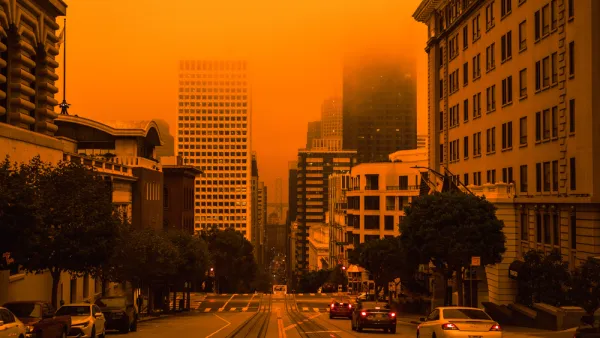
2020 Was a Landmark Year for Climate Change
Many companies set goals to achieve by 2020 and came up short, while the effects of climate change were more obvious than ever in the year that was 2020.
The ASLA's New Guide to Resilient Design
The American Society of landscape Architects is promoting a new guide to resilient landscape design, which examines hundreds of case studies for examples of infrastructure that works with nature, instead of against it.
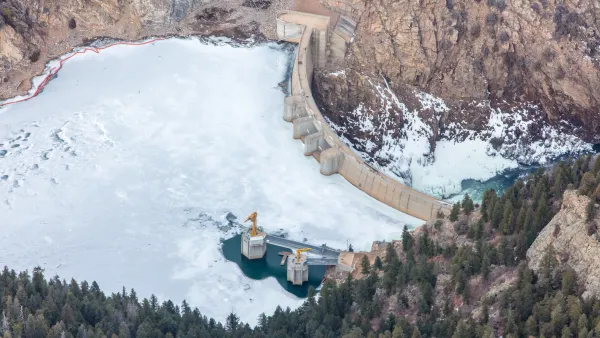
Instead of water, sediment from droughts and wildfire is choking U.S. dams
Sediment has filled 8% of dam storage capacity in the United States. Because of climate change, researchers expect it will only accumulate quicker.

The state-sanctioned urbicide of Austin
People don’t kill cities. Freeways do.

US to reduce Colorado River water deliveries to Mexico
A new Colorado Treaty amendment reduces Mexico’s Colorado River water allocation by 250,000 acre feet.

New Jersey’s second-largest city bans standalone data centers
Jersey City will continue to allow co-location facilities, such as those meant for research institutions that store their own data.

Amtrak not solely to blame for New Jersey commuter rail's unreliability, report finds
A new study from the Garden State Initiative found that NJ Transit’s budget grew 20% across a 4 year period, but reliability declined significantly over the same period.

EPA erases limits on planet-warming pollution from power plants
Under Monday’s plan, power plants would still have some limits on how much mercury, arsenic and other contaminants they can emit.

Phoenix announces new on-demand transit service, more frequent RAPID buses
Both new services will launch in October, and are part of Phoenix's Project Effective Access Solutions for Easing Congestion.

FREE Course: Walkable City 1: Why Walkability?
After describing his path towards focusing on walkability as the essence of good planning, Jeff Speck marches through his five principal reasons for making more walkable places.
Reinventing Malls: Planning Alchemy—Turning Gray Fields Into Gold
The course focuses on the opportunities and imperatives that shape reinvention of mall sites.

Eagle County Government
Harvard University Graduate School of Design
Nashville Planning Department
The Architects Foundation
University of Cincinnati Online
The Pocatello Development Authority
The Urban Renewal Agency of the City of Pocatello
Journal of the American Planning Association