Major employers and economic drivers like universities can use various tools to make housing more affordable for their students and staff.


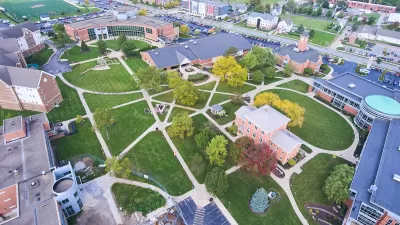
In a piece for Smart Cities Dive, Eric Maribojoc describes how ‘anchor institutions’ such as universities can help alleviate the housing crisis faced by many cities.
Maribojoc outlines how some colleges and universities have launched programs aimed at supporting affordable housing for their employees and communities. According to Maribojoc, “Their interventions are not only effective for their communities, but also fiscally responsible investments with steady returns.”
The University of Virginia leased two plots of land to developers for new housing, while “Durham Technical Community College, in North Carolina, is contributing a 10-acre location to a partnership with the Bank of America, Mosaic Development Group, and the Partnership for Southern Equity to build housing with a preference for their students.”
Some schools that don’t own underutilized land are subsidizing housing grants for their staff, while others are helping students experiencing housing insecurity access housing services.
Maribojoc adds, “While it may seem like a risky investment, our research found that institutions that provide funds for lending to affordable housing see steady returns of between 2% to 3% a year.”
FULL STORY: Colleges can take steps to address the affordable housing crisis

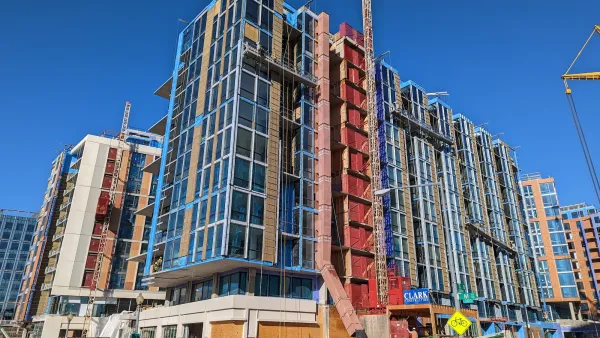
Analysis: DC needs tens of thousands of new homes — not just 'zoned capacity'
Estimates for Washington DC's housing needs range from 15,000 to 170,000.
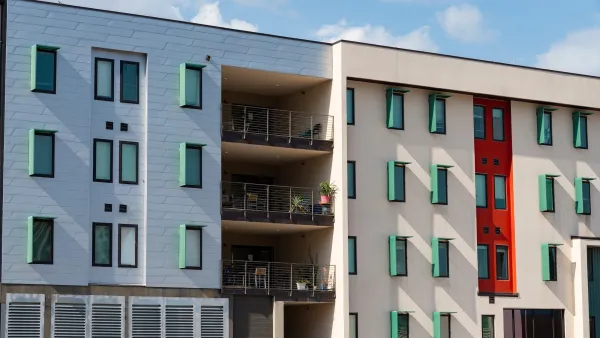
Austin's building boom fails to reach the poorest residents
Although the city has built thousands of new homes, few of them are available to the lowest-earning households.
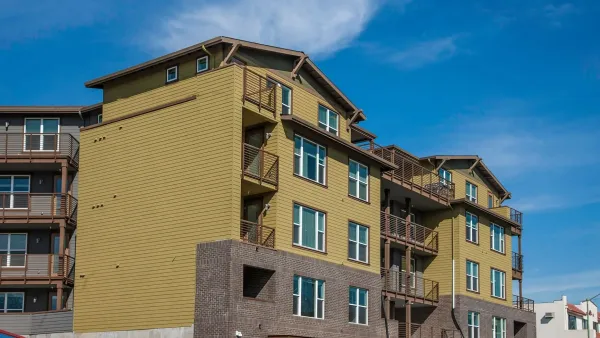
Oakland opens first affordable housing for teachers
The school district says 70% of its teachers can't afford to live in Oakland.

Planetizen Federal Action Tracker
A weekly monitor of how Trump’s orders and actions are impacting planners and planning in America.

The state-sanctioned urbicide of Austin
People don’t kill cities. Freeways do.

US to reduce Colorado River water deliveries to Mexico
A new Colorado Treaty amendment reduces Mexico’s Colorado River water allocation by 250,000 acre feet.

5 New England states march closer to 800 megawatt wind energy project
Securing federal approval for the project may be complicated under the Trump administration, which has historically been hostile towards domestic wind power.

Baltimore to break ground on $50 million Transit Priority Project
The project will bring faster bus trips, safer streets and better bike connections to Baltimore.

Airbnb launches $250 million 'last-dollar financing' housing accelerator, makes first investment in Austin
The company will put $6.4 million towards affordable housing development in Texas’ capital.

FREE Course: Walkable City 1: Why Walkability?
After describing his path towards focusing on walkability as the essence of good planning, Jeff Speck marches through his five principal reasons for making more walkable places.
Reinventing Malls: Planning Alchemy—Turning Gray Fields Into Gold
The course focuses on the opportunities and imperatives that shape reinvention of mall sites.

Eagle County Government
Harvard University Graduate School of Design
Nashville Planning Department
The Architects Foundation
University of Cincinnati Online
The Pocatello Development Authority
The Urban Renewal Agency of the City of Pocatello
Journal of the American Planning Association