During the pandemic, many neighborhoods became quieter than ever—but not everyone experienced the benefits equally.


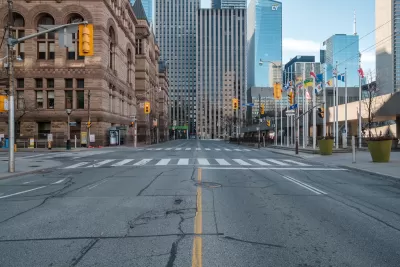
During the Covid-19 pandemic, many urban residents experienced a never-before-heard stillness. But as urban noise returns in full force, Erica D. Walker, a researcher in community noise in urban environments, describes the dangers of excessive noise in an article in Streetsblog USA. “The health impacts associated with higher noise levels are brutal. They can limit the quantity and quality of our restorative sleep and disrupt our mood so profoundly that our body activates a flight-or-fight response,” Walker writes.
In the United States, harmful noise levels aren’t distributed equitably, Walker adds. “A very quick scan of our nation’s urban planning policies and practices will clearly show you that we as a country have a refined knack for dumping acoustical trash – like highways, airports, and truck depots – into the laps of those with very little power to fight back.” Many of these places continued to function in some capacity, providing essential services during the pandemic. A study by Walker’s organization, Community Noise Lab, also found that minority communities in Boston continued to experience high noise levels during the height of the pandemic in part due to a rise in fireworks activity. Cities including Paris, France have started testing automated enforcement of noise limits using decibel meters and cameras.
FULL STORY: Who Gets Peace and Quiet?: Urban Noise in the COVID-19 Pandemic

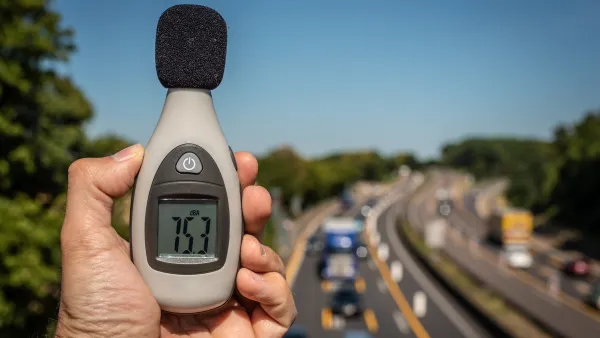
The Case Against Noise Pollution
A detailed description of how noise impacts health and wellbeing.
Houston Doubles Noise Violation Fine
In response to a spike in complaints from people living near bars and clubs, Houston has updated its noise ordinance to raise fines and require additional permits for amplified sound.
Using Tech to Control Noise Pollution
Several cities are piloting programs that use machine learning to identify and understand urban noise patterns and enforce noise ordinances.

Planetizen Federal Action Tracker
A weekly monitor of how Trump’s orders and actions are impacting planners and planning in America.

The state-sanctioned urbicide of Austin
People don’t kill cities. Freeways do.

US to reduce Colorado River water deliveries to Mexico
A new Colorado Treaty amendment reduces Mexico’s Colorado River water allocation by 250,000 acre feet.

5 New England states march closer to 800 megawatt wind energy project
Securing federal approval for the project may be complicated under the Trump administration, which has historically been hostile towards domestic wind power.

Baltimore to break ground on $50 million Transit Priority Project
The project will bring faster bus trips, safer streets and better bike connections to Baltimore.

Airbnb launches $250 million 'last-dollar financing' housing accelerator, makes first investment in Austin
The company will put $6.4 million towards affordable housing development in Texas’ capital.

FREE Course: Walkable City 1: Why Walkability?
After describing his path towards focusing on walkability as the essence of good planning, Jeff Speck marches through his five principal reasons for making more walkable places.
Reinventing Malls: Planning Alchemy—Turning Gray Fields Into Gold
The course focuses on the opportunities and imperatives that shape reinvention of mall sites.

Eagle County Government
Harvard University Graduate School of Design
Nashville Planning Department
The Architects Foundation
University of Cincinnati Online
The Pocatello Development Authority
The Urban Renewal Agency of the City of Pocatello
Journal of the American Planning Association