United States

(*Updated) Study Finds Fewer Young Adults Moving into Cities than Moving Away
An article on the Metro Trends Blog finds that data do not support the common narrative that young people are moving to cities in huge numbers. Most cities, according to the study, lost more adults aged 20-35 than they gained between 2000 and 2012.
How Curbside Carriers Changed America's Mind About Buses
Intercity bus travel is no longer the exclusive domain of the down-and-out. The likes of BoltBus and Megabus have, over the past few years, brought a new level of service to the open roads.
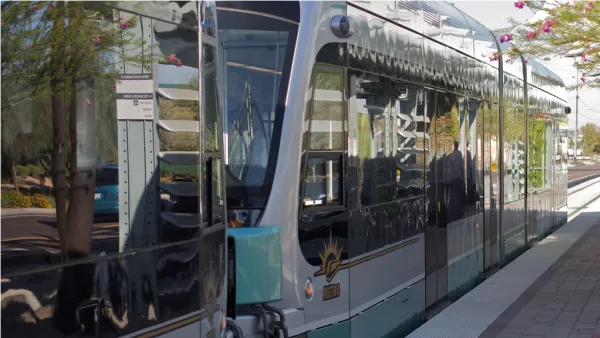
How Well Does Light Rail Attract New Transit Riders?
The answer to the question in the headline is “not very.” Thirty years into the initial experiment, however, light rail has not been the game changer it was hoped to be.
Which Cities Have the Most Energy Star Buildings?
More and more energy efficient buildings are coming online, but buildings are still a major source of energy use around the world. To track green building, the EPA recently ranked the cities with the most Energy Star buildings.
Saving Endangered Modern Homes
The trend toward bigger houses makes the efficient and cool styles of modernism look inadequate to many Americans. A new article by the Architectural Record studies the difficult work of preservation efforts all over the country.
How Do Neighborhoods Become Wealthy?
A new study by the Federal Reserve Bank of Cleveland examines a “troubling consistency” of neighborhoods—that is that over the past 30 years, the poorest neighborhoods have stayed that way.
Mapping the U.S. Mexico Border Fence
Journalists at the Center for Investigative Reporting undertook the herculean task of mapping the extent of the secretive and sometimes strange fence between the United States and Mexico.
Explained: the Ever-Increasing Transit Fare
Boston, Washington D.C., San Francisco, and Los Angeles—all major cities that have mulled transit fare increases in recent months. Eric Jaffe examines the numbers behind the continuous need for transit agencies to raise the price of a fare.
New Book Proposes Safety Measures for Fracking
Written by Wall Street Journal energy reporter Russell Gold, the new book offers three recommendations that should be acceptable to all parties, from fracking's strongest supporters to its most ardent opponents.
Development Fails the Public Opinion Polls
A recent article for PlannersWeb called “10 Things You Should Know About How the Public Feels About Development” provides helpful data and insight into the type of opposition encountered whenever new development projects face public scrutiny.
My Kid, the Wikipedia Entry
If you want to be profiled in Wikipedia, it is better to be born in an urban place.

Watch the U.S. Population Grow Over Time
Movoto turned U.S. population density maps into an animated gif to show how the population has expanded over time.
More on the High Cost of Infrastructure
A recent editorial in Atlantic Cities laments the regulations and policies that have, according to the author, driven up the costs of infrastructure investments in the United States.
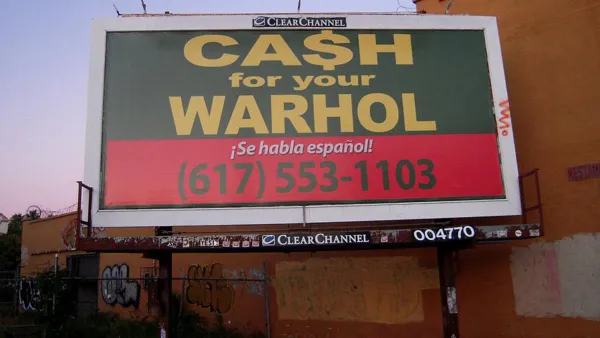
Coming to a Billboard Near You: The 'Art Everywhere' Project
Voting for a new project called "Art Everywhere" is currently open to the public on works from five of the country’s largest and most respected museums. The vote will help decide which images get placed on some 50,000 billboards this summer.
The Numbers Behind the Country’s Decreasing Traffic Fatalities
Susannah Locke examines some of the data behind the United State’s steady decrease in auto fatalities since a peak in 1969, when 55,043 people died while driving.
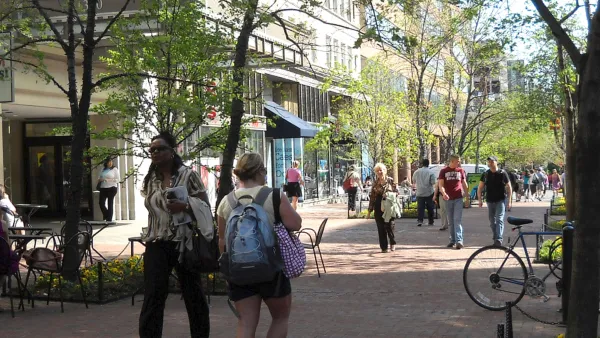
Realtors Discover Demand for Walkable Places
After generations of sales focused on conventional suburbia, realtors are discovering the demand for walkable, urban places.
Advocates and Opponents Struggle Over Toll Roads
While tolling will not fill the Highway Trust Fund gap, it can finance improvements for specific interstate highways that would otherwise be funded by a sustainable trust fund, not one approaching insolvency. Why not allow states the option to toll?
State Gas Taxes and P3s Fill Federal Transportation Revenue Void
Beginning last year, states increased gas taxes and entered public-private partnerships, as are some cities. But it's not an easy haul for cities nor states, and Congress has yet to agree how to furnish sufficient revenue to match current spending.

Housing is the Key to Family-Friendly Cities
Why housing should take priority in the effort to attract families back to the city (and welcome them to stay awhile).

Developing the First Well-Being Index for Cities
Santa Monica, California is working to become the first city to develop a first well-being index for its residents. The index will help the city’s government measure and serve citizen happiness.

FREE Course: Walkable City 1: Why Walkability?
After describing his path towards focusing on walkability as the essence of good planning, Jeff Speck marches through his five principal reasons for making more walkable places.
Reinventing Malls: Planning Alchemy—Turning Gray Fields Into Gold
The course focuses on the opportunities and imperatives that shape reinvention of mall sites.

One Hundred Miles
County of Mendocino
planning NEXT
The Architects Foundation
University of Cincinnati Online
Montrose County
Northern Illinois Transit Authority (NITA)
The Pocatello Development Authority









