United States
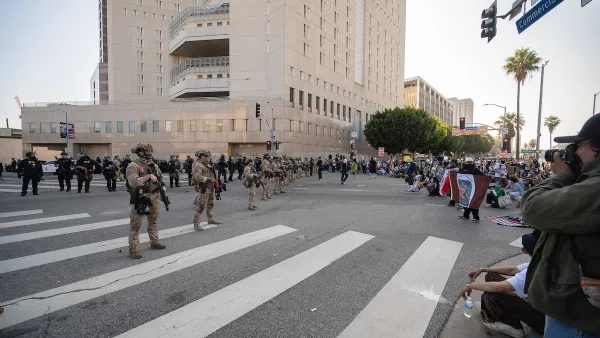
Opinion: Far From Cauldrons of Violence, Cities are Anti-Crime Innovators
Rather than funding the performative militarization of law enforcement, the federal government could instead support programs that prevent poverty and crime before it happens.

One Federal Low-Income Housing Program is Actually Being Expanded
Recent changes to the Low-Income Housing Tax Credit program could lead to over a million new housing units, but cuts to adjacent and complementary programs could limit its impact.
USDOT Pulls Funding from Projects not “Car-Focused” Enough in Connecticut, New Mexico, Illinois
The department is sending letters to local officials rescinding multimodal grants, saying the money will instead be focused on projects that “promote vehicular travel.”
Housing Groups Sue HUD Over “Unconstitutional and Unlawful” Grant Requirements
The lawsuit claims HUD cannot restrict funding based on political alignment that is out of the control of housing agencies.

Car Trips are Down, With Young People Leading the Charge
Americans are driving less, and we have Gen Z to thank for it.

Amtrak Trains Get Priority Over Freight in Legal Settlement
Freight operator Norfolk Southern has agreed to prioritize Amtrak trains and work with the agency to identify the cause of delays on the Crescent line.
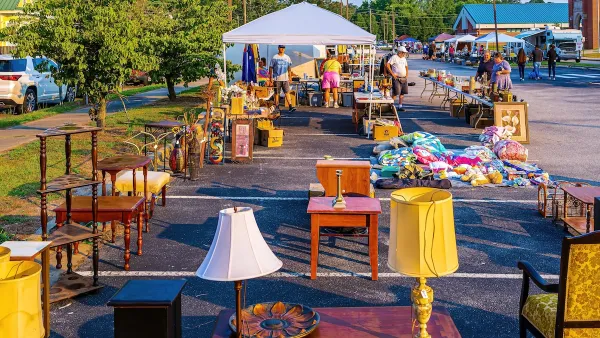
The “Hundred Mile” Yard Sales That Turn Rural Highways into Treasure Trails
From Kentucky to Florida to Washington State, a delightful culture of impossibly long yard sales helps communities thrive.

New Trade Agreement Could Flood Europe With Giant American Trucks
The new ‘reciprocal, fair, and balanced’ trade framework puts American and European vehicle safety standards on the same level, eliminating European safety standards that outlaw some of the largest, most dangerous American trucks and SUVs.
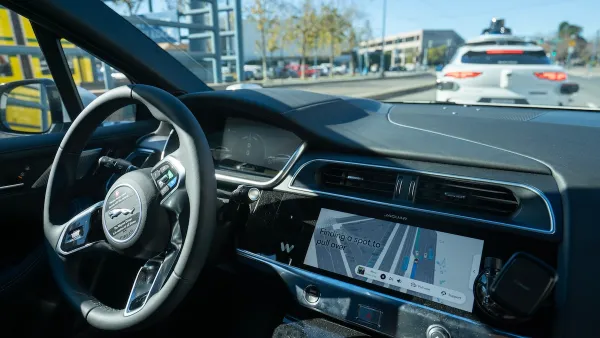
Trump Moves to Ease Regulations for Self-Driving Cars
Proposed changes to vehicle safety standards would eliminate elements such as windshield wipers designed for human drivers.
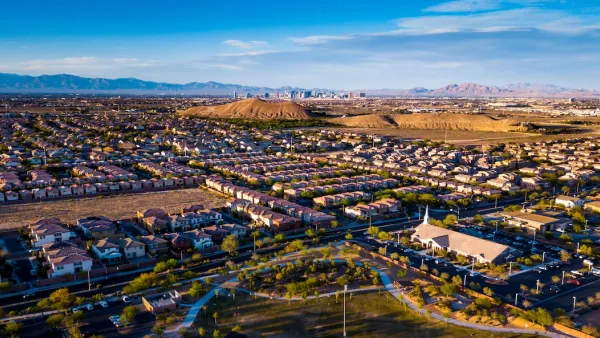
The Nation’s 40 Fastest-Growing Suburbs
Projected population growth will be concentrated in suburban communities around major metropolitan areas, with the Sunbelt experiencing the fastest growth.
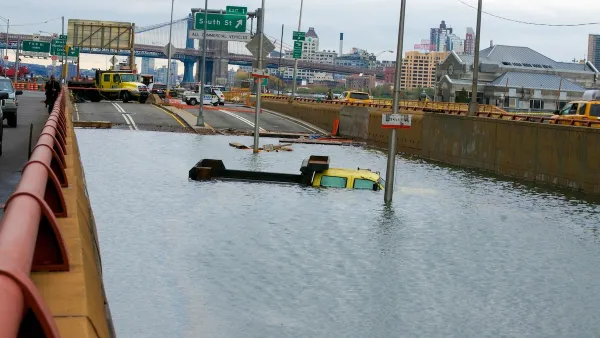
Over a Quarter of US Homes Face ‘Severe or Extreme’ Climate Risk
The number of U.S. homes at risk from hurricanes, fires, or flooding is valued at close to $13 trillion.
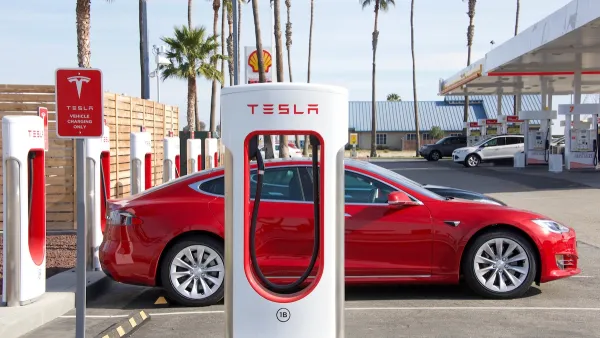
Trump's New Move Makes Gas Stations the new EV Charging Hot Spot
The revised National Electric Vehicle Infrastructure program guidance prioritizes funding for projects sited on locations owned by the EV charging operator and near existing amenities.
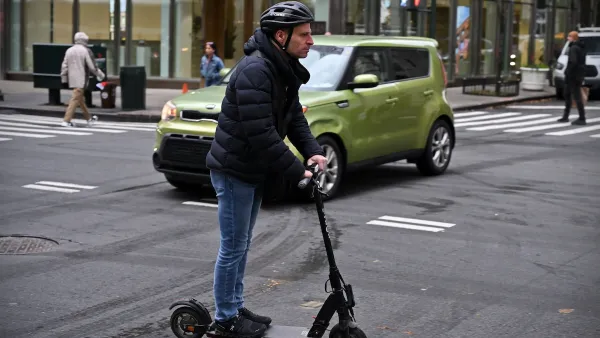
E-Scooter Use is on the Rise — But so are Injuries
With infrastructure and rider education lagging behind the growth of e-scooter systems, American ERs saw an 80 percent rise in e-scooter injuries between 2023 and 2024.
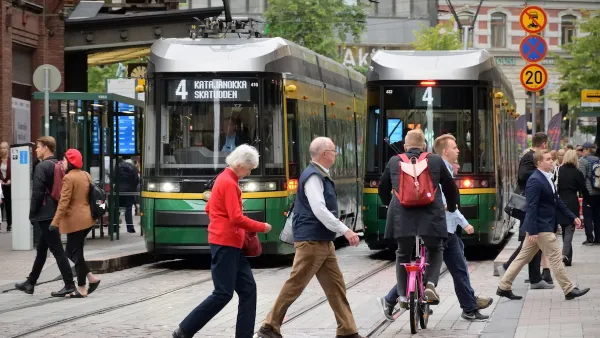
In Defence of Vision Zero — a Traffic Engineer’s Perspective
Traffic engineers have long suffered the reputation that all we care about is moving cars. The reality could not be more different.

Report: Top US Cities for Pedestrian Safety
The East Coast takes the top three spots, while the South and Southwest dominate the bottom of the list.

The Weird Way US Cities Set Speed Limits — and Why it’s Changing
The ‘85% rule’ guides speed limits based on how fast most drivers travel, sometimes prompting cities to raise speed limits.
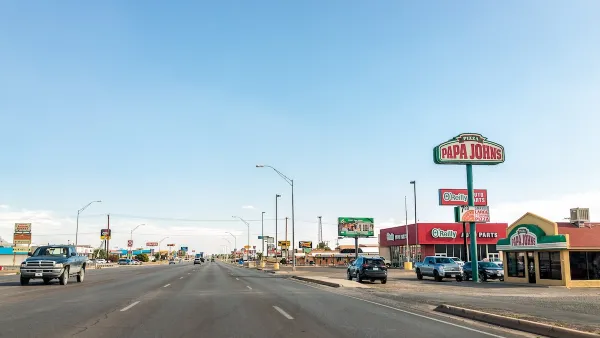
Study: Ugly Roads are Deadlier, too
New research shows that roads that are perceived as boring and ugly are more dangerous to people outside of cars.

San Francisco is in a “Doom Loop.” A Legendary Artist and Burning Man Founder Knows how to Revive it.
Artists made San Francisco what it was. They might just be the key to its future.
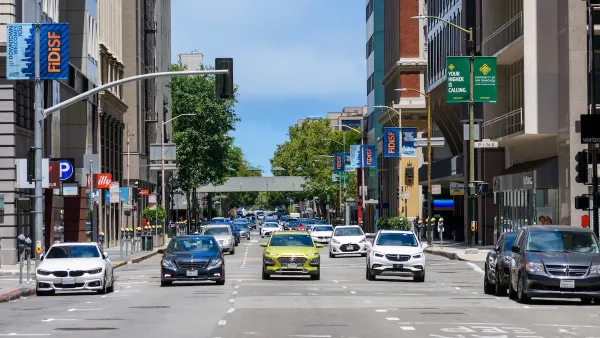
One-Way Streets Have Worse Crashes, Higher Crime and Lower Property Values — Why do we Still Use Them?
How reverting one-way streets to two-way can boost both safety and economic development.
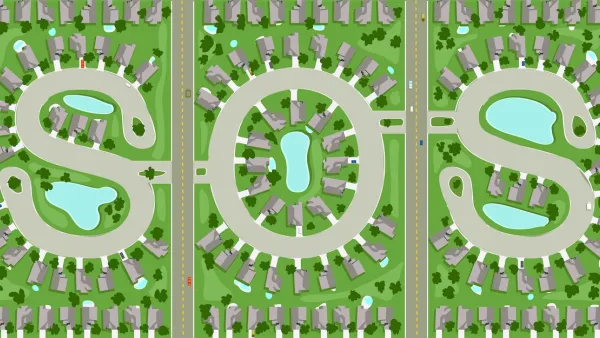
Are Regional Governments the Answer to the Housing Crisis?
A never-realized model of regional governance once proposed in California could help ease the housing crunch and create more housing in suburbs and peripheral areas.

FREE Course: Walkable City 1: Why Walkability?
After describing his path towards focusing on walkability as the essence of good planning, Jeff Speck marches through his five principal reasons for making more walkable places.
Reinventing Malls: Planning Alchemy—Turning Gray Fields Into Gold
The course focuses on the opportunities and imperatives that shape reinvention of mall sites.

One Hundred Miles
County of Mendocino
planning NEXT
The Architects Foundation
University of Cincinnati Online
Montrose County
Northern Illinois Transit Authority (NITA)
The Pocatello Development Authority









