United States
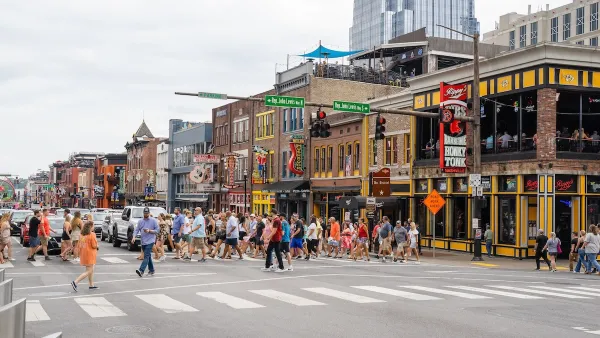
The Best Complete Streets Policies in the US, Ranked
San Antonio and Nashville top the list, with most large cities not making an appearance in the top 40.
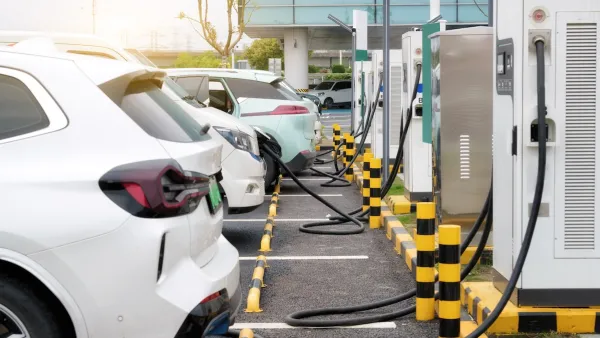
USDOT Issues New Rules for EV Charging Grants After Judge Forces Administration to Unfreeze Funds
The Trump administration is reviving the National Electric Vehicle Infrastructure program, revising its guidelines to eliminate consumer protections, environmental reviews, labor standards, and other provisions from the Biden-era program.
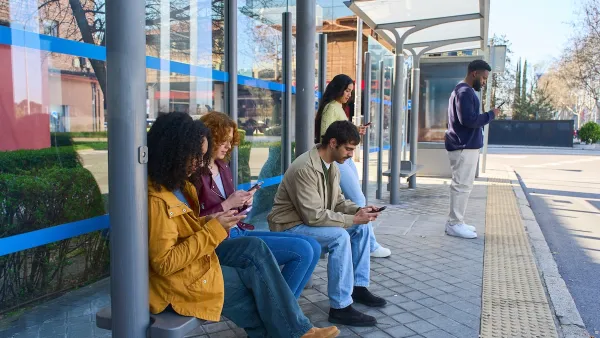
Opinion: Smartphone Dependency Mirrors Car-Centric Development
Decades ago, we started building a society based around car ownership, making it difficult to navigate U.S. cities without one. Are we making the same mistakes with smartphones?

Building a Just Energy Transition
A new book outlines a “four-plus pillars” framework for phasing out fossil fuels while addressing systemic inequities, emphasizing public support, dedicated funding, economic diversification, coalitions, and reforms that dismantle extractive systems.
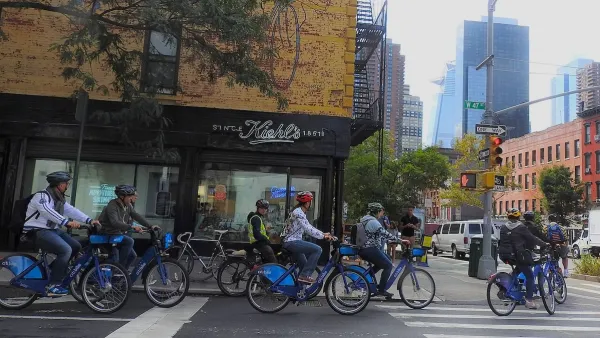
Report: Bike and Scooter Shares are up Again, This Time by 31%. Has the Future Arrived?
The new micromobility report is out, and despite rising costs and tight regulations, it is bigger than ever, and still growing. After nearly a decade of adjustment, cities’ mobility systems may be changed for good.

Opinion: As Prison Populations Drop, Shuttered Facilities Offer Opportunity
The redevelopment of hundreds of former military bases in the 1980s provides a model for how similar facilities can be repurposed to serve the surrounding communities.
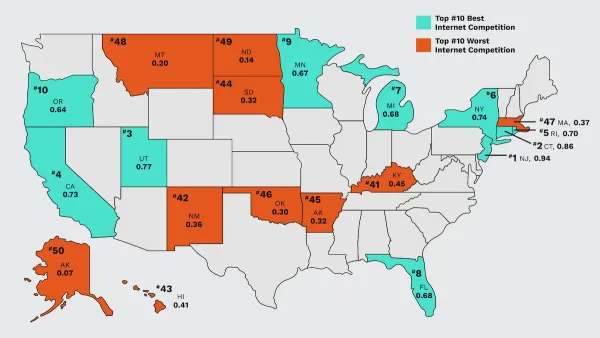
Do You Live in an ISP Monopoly?
Almost 9 million Americans live in an area with only one option for internet providers.
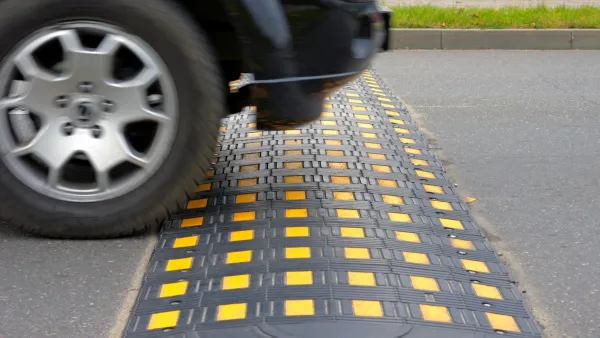
In Praise of the Speed Hump
Speed humps offer a cheap, effective, and quick-build traffic calming intervention that receives less local pushback than road diets or traffic cameras.

Harvard’s 2025 State of Housing Report: Five Key Findings
Housing affordability is at historic lows, and more renters than ever struggle to keep up with housing costs, even as federal support for housing programs is waning.
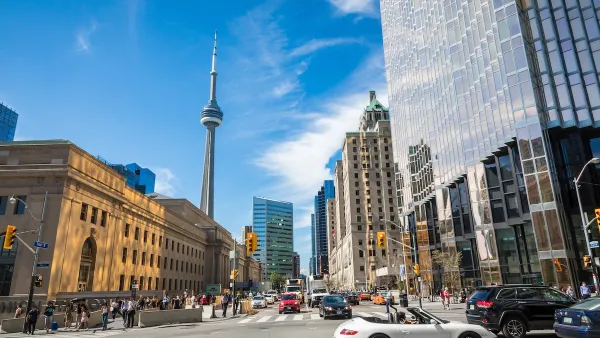
What US States Can Learn from Canadian Road Rules
Our northern neighbor has managed to slash traffic deaths as U.S. traffic fatalities remain high. What do they do differently?

‘Week Without Driving’ Highlights Needs of Non-Drivers
The event encourages public officials to use their local public transit and engage with the people who rely on it every day.

Op-Ed: The Great Lakes Could Be a Key Source of Wind Energy
States, not the federal government, have authority over wind power leases in the Great Lakes.
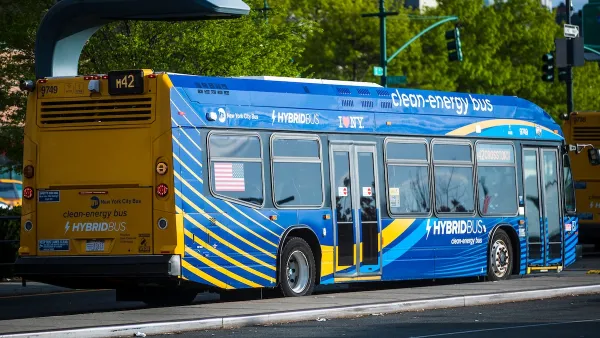
Transit Bus Costs Rise Sharply Due to Tariffs
The cost of a transit bus has gone up by 68 percent since 2021, in part because of recent tariffs on steel and aluminum.
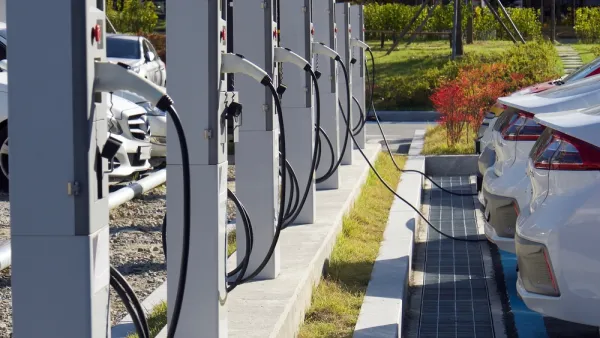
Charging Ahead: Why EV Infrastructure Is Still Expanding Despite Market Uncertainty
Electrify America is forging ahead with major charging network expansions, confident that long-term demand will keep rising despite short-term EV market and policy disruptions.
EPA Plans “Largest Deregulatory Action” in History
The agency plans to repeal a key 2009 rule that underpins the government’s authority to regulate greenhouse gas emissions.
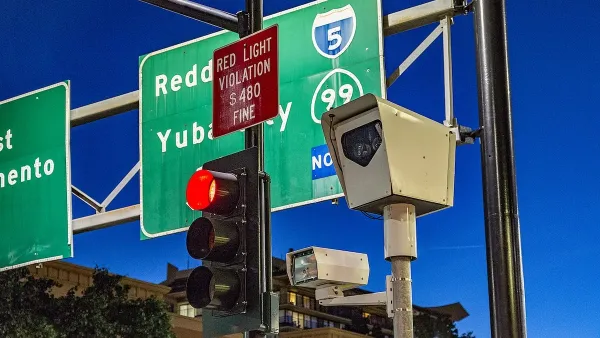
Studies Repeatedly Show Traffic Cameras Save Lives
Although divisive, speed and red-light cameras significantly improve road safety, but many U.S. jurisdictions remain resistant.

Proposed ‘ROAD to Housing’ Bill Tackles Housing Affordability
The bill is a bipartisan effort in the Senate to ease regulations for housing development and reward cities and states that support pro-housing policies.
Knoxville Ranked Best US City for People With Disabilities
An analysis of accessibility, affordability, healthcare access, and other metrics reveals the most disability-friendly U.S. cities.
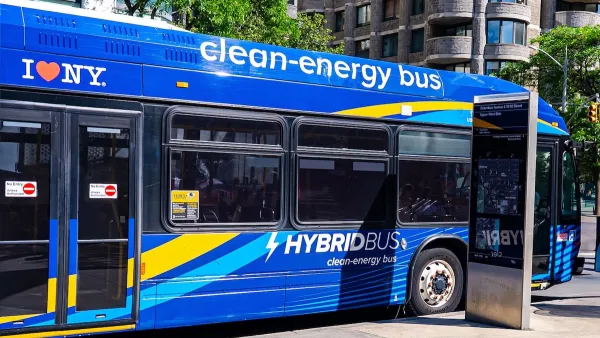
FTA Allows Changes to Low or No Emission Grant Proposals
Grant recipients can change their proposals from zero-emission to low-emission projects, a move the FTA says will offer more flexibility to cities and transit providers.

Data Centers Threaten Western Water Supplies, Power Grids
The rapidly growing need for water to cool data centers is endangering one of the West’s most essential resources.

FREE Course: Walkable City 1: Why Walkability?
After describing his path towards focusing on walkability as the essence of good planning, Jeff Speck marches through his five principal reasons for making more walkable places.
Reinventing Malls: Planning Alchemy—Turning Gray Fields Into Gold
The course focuses on the opportunities and imperatives that shape reinvention of mall sites.

City of Charlotte
City of Rosemead
Rutgers University, Edward J. Bloustein School of Planning and Public Policy
University of Michigan School for Environment and Sustainability (SEAS)
Hunter College, City University of New York (CUNY)
The Architects Foundation
University District Partnership









