Grant recipients can change their proposals from zero-emission to low-emission projects, a move the FTA says will offer more flexibility to cities and transit providers.


The Federal Transit Administration (FTA) has adjusted the terms of the Low or No Emission grant program to allow for more low-emission vehicles.
According to an article in Mass Transit, “U.S. Department of Transportation (USDOT) Secretary Sean Duffy says he made the announcement after hearing from various agencies and stakeholders about the limitations and challenges that can come with zero-emissions technology.” Grant recipients can alter their proposals to change zero-emission projects to low-emission projects.
The FTA says the new grant structure will provide more flexibility for cities and transit agencies seeking to transition to a zero-emission fleet.
FULL STORY: FTA updates requirements for Low-No bus grant recipients

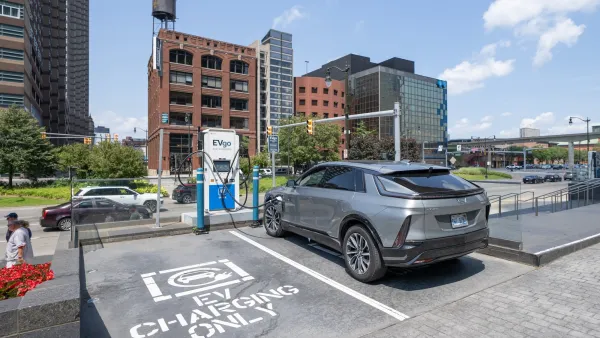
96% of federal EV charging funds from 2021-2022 are unspent
New Buy America requirements and other stipulations are slowing the process for accessing federal funds.
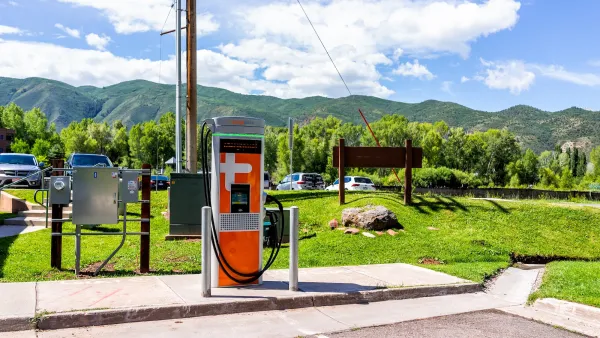
USDOT Cancels Over $100 Million in Sustainable Transportation Funds for Colorado
The administration is pulling funding for what it calls “woke” and “redundant” clean energy projects including EV charging infrastructure.
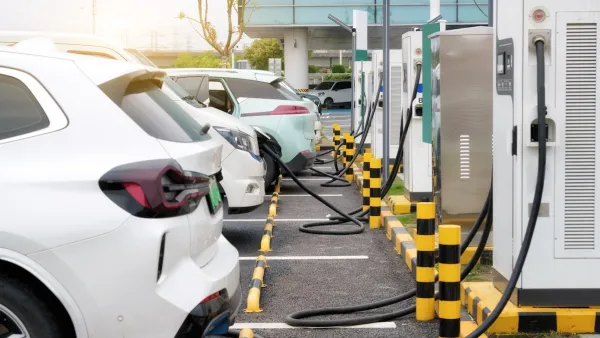
USDOT Issues New Rules for EV Charging Grants After Judge Forces Administration to Unfreeze Funds
The Trump administration is reviving the National Electric Vehicle Infrastructure program, revising its guidelines to eliminate consumer protections, environmental reviews, labor standards, and other provisions from the Biden-era program.

Planetizen Federal Action Tracker
A weekly monitor of how Trump’s orders and actions are impacting planners and planning in America.

The state-sanctioned urbicide of Austin
People don’t kill cities. Freeways do.

US to reduce Colorado River water deliveries to Mexico
A new Colorado Treaty amendment reduces Mexico’s Colorado River water allocation by 250,000 acre feet.

5 New England states march closer to 800 megawatt wind energy project
Securing federal approval for the project may be complicated under the Trump administration, which has historically been hostile towards domestic wind power.

Baltimore to break ground on $50 million Transit Priority Project
The project will bring faster bus trips, safer streets and better bike connections to Baltimore.

Airbnb launches $250 million 'last-dollar financing' housing accelerator, makes first investment in Austin
The company will put $6.4 million towards affordable housing development in Texas’ capital.

FREE Course: Walkable City 1: Why Walkability?
After describing his path towards focusing on walkability as the essence of good planning, Jeff Speck marches through his five principal reasons for making more walkable places.
Reinventing Malls: Planning Alchemy—Turning Gray Fields Into Gold
The course focuses on the opportunities and imperatives that shape reinvention of mall sites.

Eagle County Government
Harvard University Graduate School of Design
Nashville Planning Department
The Architects Foundation
University of Cincinnati Online
The Pocatello Development Authority
The Urban Renewal Agency of the City of Pocatello
Journal of the American Planning Association