United States
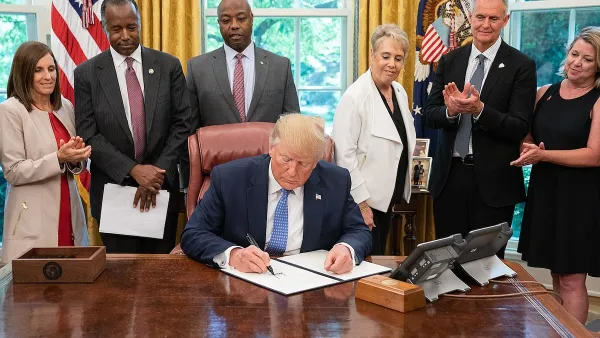
Trump Revives 2019 Plan to Cut Housing Assistance for Undocumented Immigrants
The proposed change to HUD rules would restrict federal housing aid from households that include undocumented people.
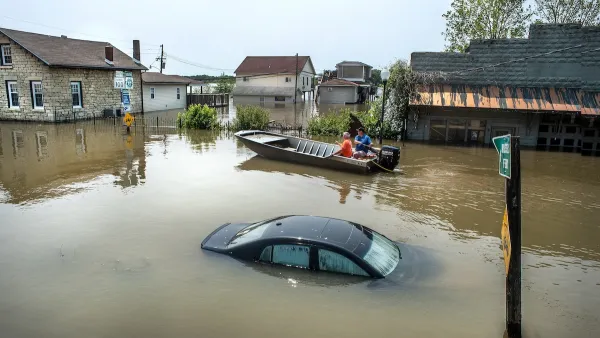
Mayors Along the Mississippi See Climate Change Coming — and are Shoring up Together
The Mississippi River Cities and Towns Initiative is bringing together local officials to address climate resilience across the region.
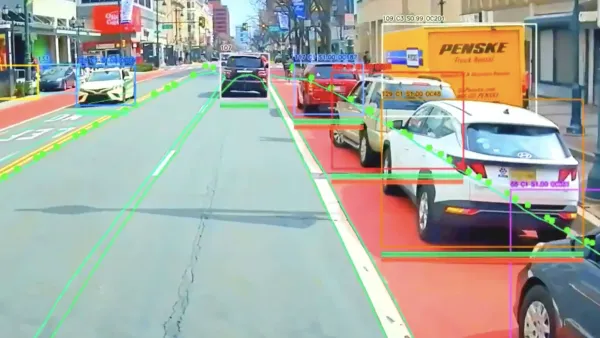
AI-Powered Bus Lane Cameras Are Speeding up Buses by up to 36%
More cities are turning to automated enforcement to keep bus lanes clear of cars and improve service.

The Problem With Outsourcing Public Engagement
Why hiring outside consultants to represent public works projects at meetings often misses the point of having public officials hear community concerns.

Dear Cities: Let’s Make FIFA Count
The first-ever pan-North American World Cup offers urban planners a unique opportunity: to undo the legacy of failed promises and show that mega events can actually benefit the cities they visit.
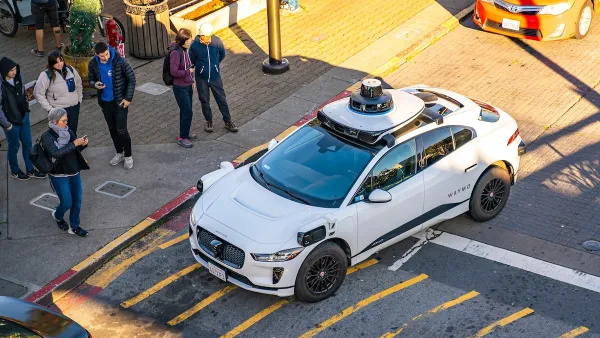
4 States, DC Enacted Robotaxi Laws This Year
As autonomous carmakers deploy self-driving cars in more cities, states are scrambling to regulate the technology.
MPO Boards Don’t Reflect Their Constituencies
Metropolitan planning organizations make important transportation planning decisions, but their memberships often don’t reflect their region’s demographics.
The Best Complete Streets Policies in the US, Ranked
San Antonio and Nashville top the list, with most large cities not making an appearance in the top 40.
USDOT Issues New Rules for EV Charging Grants After Judge Forces Administration to Unfreeze Funds
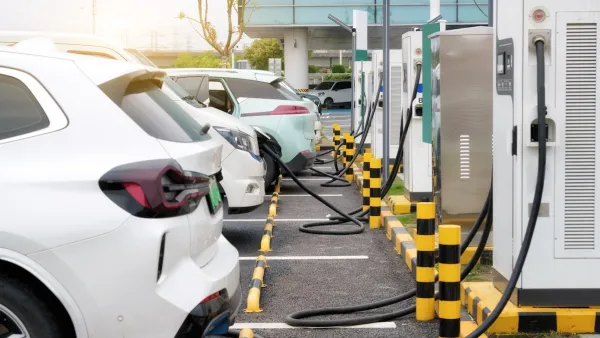
The Trump administration is reviving the National Electric Vehicle Infrastructure program, revising its guidelines to eliminate consumer protections, environmental reviews, labor standards, and other provisions from the Biden-era program.
Opinion: Smartphone Dependency Mirrors Car-Centric Development
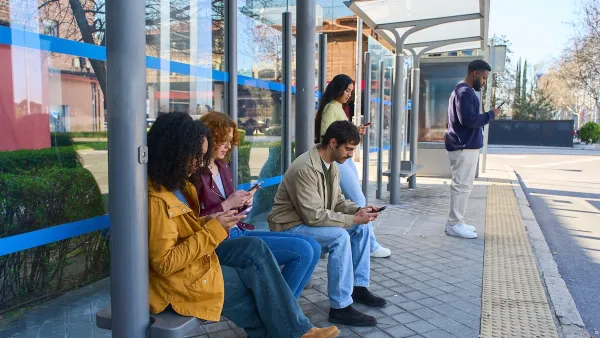
Decades ago, we started building a society based around car ownership, making it difficult to navigate U.S. cities without one. Are we making the same mistakes with smartphones?

Building a Just Energy Transition
A new book outlines a “four-plus pillars” framework for phasing out fossil fuels while addressing systemic inequities, emphasizing public support, dedicated funding, economic diversification, coalitions, and reforms that dismantle extractive systems.
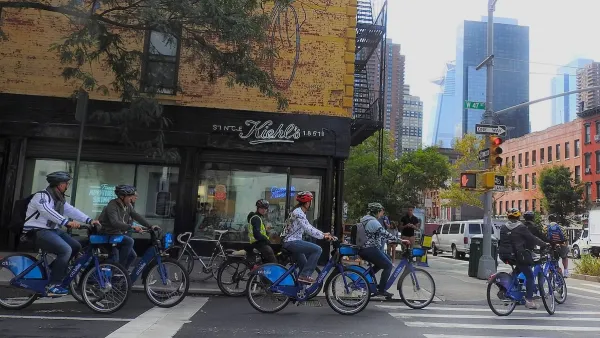
Report: Bike and Scooter Shares are up Again, This Time by 31%. Has the Future Arrived?
The new micromobility report is out, and despite rising costs and tight regulations, it is bigger than ever, and still growing. After nearly a decade of adjustment, cities’ mobility systems may be changed for good.

Opinion: As Prison Populations Drop, Shuttered Facilities Offer Opportunity
The redevelopment of hundreds of former military bases in the 1980s provides a model for how similar facilities can be repurposed to serve the surrounding communities.
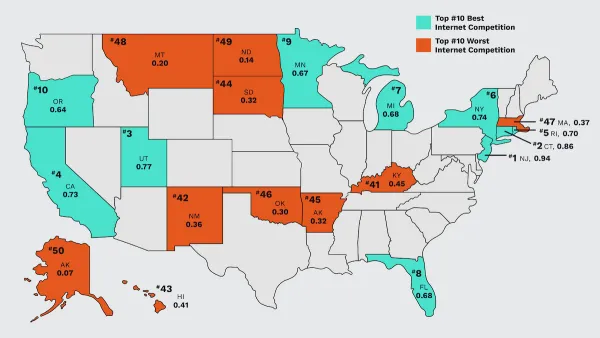
Do You Live in an ISP Monopoly?
Almost 9 million Americans live in an area with only one option for internet providers.
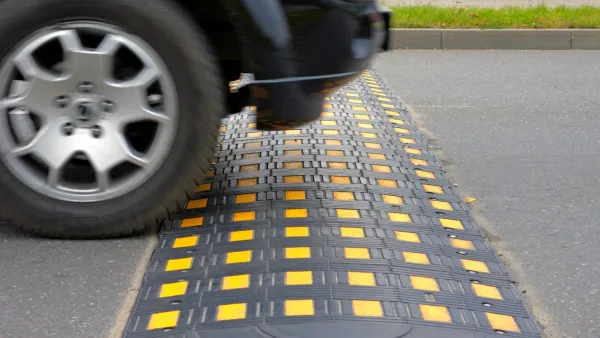
In Praise of the Speed Hump
Speed humps offer a cheap, effective, and quick-build traffic calming intervention that receives less local pushback than road diets or traffic cameras.

Harvard’s 2025 State of Housing Report: Five Key Findings
Housing affordability is at historic lows, and more renters than ever struggle to keep up with housing costs, even as federal support for housing programs is waning.
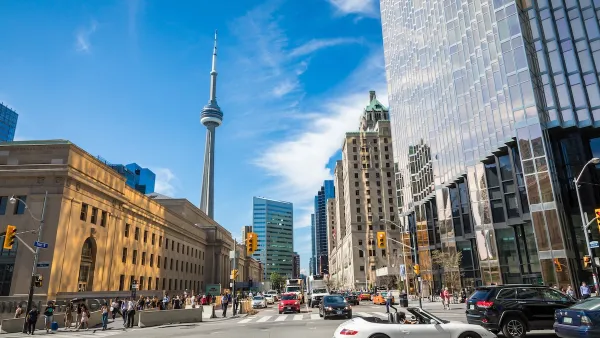
What US States Can Learn from Canadian Road Rules
Our northern neighbor has managed to slash traffic deaths as U.S. traffic fatalities remain high. What do they do differently?
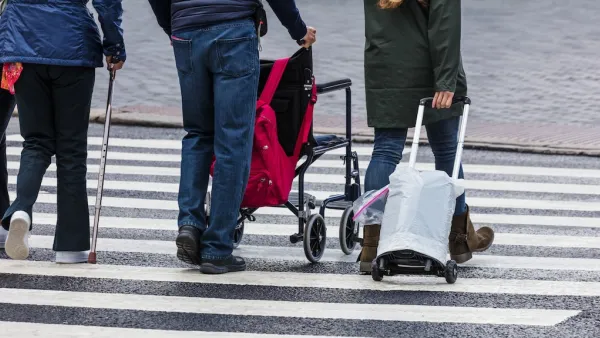
‘Week Without Driving’ Highlights Needs of Non-Drivers
The event encourages public officials to use their local public transit and engage with the people who rely on it every day.

Op-Ed: The Great Lakes Could Be a Key Source of Wind Energy
States, not the federal government, have authority over wind power leases in the Great Lakes.
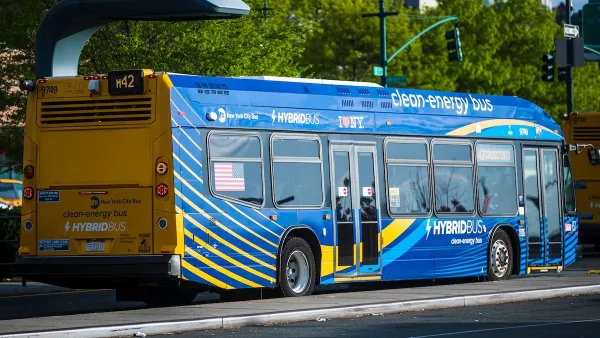
Transit Bus Costs Rise Sharply Due to Tariffs
The cost of a transit bus has gone up by 68 percent since 2021, in part because of recent tariffs on steel and aluminum.

FREE Course: Walkable City 1: Why Walkability?
After describing his path towards focusing on walkability as the essence of good planning, Jeff Speck marches through his five principal reasons for making more walkable places.
Reinventing Malls: Planning Alchemy—Turning Gray Fields Into Gold
The course focuses on the opportunities and imperatives that shape reinvention of mall sites.

One Hundred Miles
County of Mendocino
planning NEXT
The Architects Foundation
University of Cincinnati Online
Montrose County
Northern Illinois Transit Authority (NITA)
The Pocatello Development Authority









