The event encourages public officials to use their local public transit and engage with the people who rely on it every day.


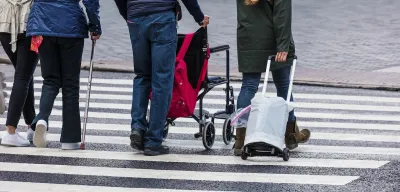
In a piece in Streetsblog USA, Anna Zivarts explains the impact of Week Without Driving, a grassroots effort that has grown into an annual challenge hosted by over five hundred organizations around the country.
This year the Week Without Driving will take place Sept. 29-Oct. 5 with walk audits, transit ride-alongs and community forums where nondrivers can share their daily experiences of transportation access with elected leaders and transportation agency leadership.
The event is meant to encourage public officials to experience their local public transit and understand the day-to-day experiences of transit riders. Unlike other car-free events, Zivarts writes, “Week Without Driving comes from our campaign to have those in charge of our transportation networks and investment priorities understand the needs of nondrivers in their communities — in particular involuntary nondrivers who can’t drive or can’t afford to drive.”
For Zivarts, the event is not just about celebrating car-free modes — it’s about helping elected officials understand the needs of people with disabilities, elderly people, and others who can’t drive on a daily basis and ensuring that they have access to transportation options that don’t limit their mobility. “In asking participants to reflect on what it means to get around their communities without driving themselves, we are asking them to help us tell the story of nondriver mobility, a story that is too often overlooked, leaving too many of us stuck at home, unable to fully access and participate.”
Read the full story: Zivarts: How ‘Week Without Driving’ Is Having An Impact

Op-Ed: Why Mobility Is Political
The freedom to move remains unevenly distributed between people of different backgrounds.

The Link Between Public Transit and Justice
The chancellor of the Philadelphia Bar Association argues that a robust transit system is key to ensuring people on all sides of the justice system can access courts and resources.
Growing up Car-Free in Chicago
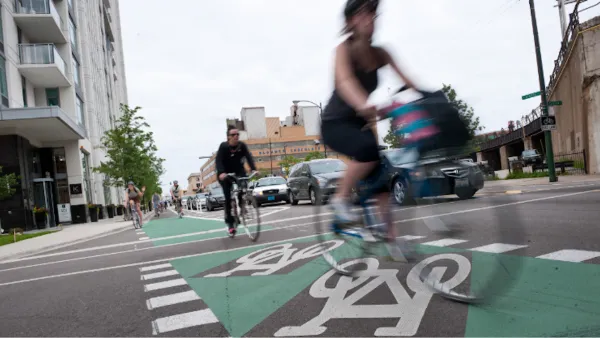
One Chicago youth recounts their experience growing up in a car-free household.

Planetizen Federal Action Tracker
A weekly monitor of how Trump’s orders and actions are impacting planners and planning in America.

‘Going backwards:’ Baltimore mayor, students rally against state's transit funding plan
Maryland's proposed six-year plan provides no funding for Baltimore’s BMORE bus program and reduces its road maintenance funding.

Detroit to transform waterfront with $2.2 billion investment
Developers will convert about 18 acres of unused parking lot space into civic spaces.

U.S.-Iran war may have ‘devastating’ impact on cost to warm homes
Vermont and Maine residents may see a 76% increase in the cost of warming their homes this winter.

Senate bill would ‘overhaul’ environmental permitting laws
Under the proposed act, government agencies would also not be able to suspend or rescind permits after granting them.

Exemption applications for NYC’s pied-à-terre tax see 55% success rate
The city sent nearly 40% of its initial pied-à-terre tax warnings erroneously.

FREE Course: Walkable City 1: Why Walkability?
After describing his path towards focusing on walkability as the essence of good planning, Jeff Speck marches through his five principal reasons for making more walkable places.
Reinventing Malls: Planning Alchemy—Turning Gray Fields Into Gold
The course focuses on the opportunities and imperatives that shape reinvention of mall sites.

One Hundred Miles
County of Mendocino
planning NEXT
The Architects Foundation
University of Cincinnati Online
Montrose County
Northern Illinois Transit Authority (NITA)
The Pocatello Development Authority