transportation access
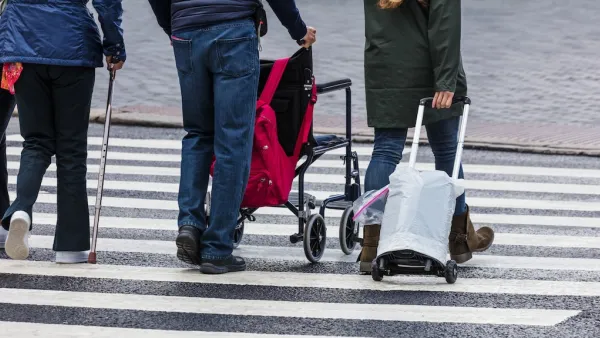
‘Week Without Driving’ Highlights Needs of Non-Drivers
The event encourages public officials to use their local public transit and engage with the people who rely on it every day.
Op-Ed: Why Mobility Is Political
The freedom to move remains unevenly distributed between people of different backgrounds.
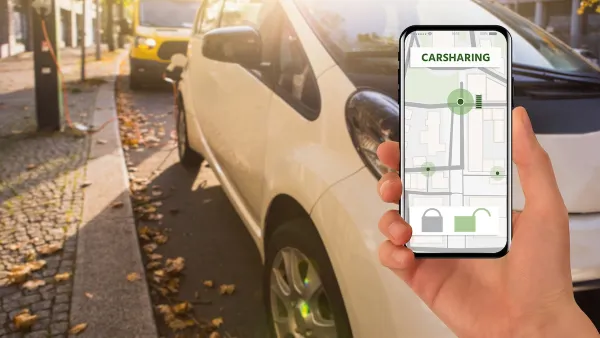
Why Car-Sharing Companies Keep Failing
The model comes with high costs that make it unsustainable without subsidies.
Planning for True Transportation Affordability: Beyond Common Misconceptions
Transportation affordability is important but often misunderstood, resulting in misguided solutions. New research helps identify ways to provide true affordability for economic freedom, opportunity and happiness.
The Good, the Bad, and the Ethical: A Moral Philosopher's Perspective on Sustainable Urban Mobility
In the United States, a nation marked by unparalleled car reliance, the environmental and health consequences of car dependency pose a significant ethical dilemma for urban planners, policymakers, and engineers.
Transportation Access Is a Public Health Issue
An expert discusses the public health implications of the CDC’s new finding that 5.7 percent of Americans face unreliable transportation.
Linking Transportation Access and Public Health
Millions of Americans miss medical care and other important day-to-day appointments due to a lack of access to reliable transportation.

Study: Equity in Car Share Programs Requires Low Cost, Broad Coverage
Data from a Los Angeles car share program showed its impact on underserved communities was ‘limited by its small footprint.’
Report: Poor Access to Transportation Linked to Missed Healthcare
One in five Americans with limited access to transit and no vehicle have to forego medical appointments.

The Lesser-Known Programs in the Infrastructure Bill
While the focus has been on flashier components of the infrastructure bill, some smaller initiatives could have outsized impacts by shifting priorities and funding resilience efforts.

The Impact of Segregation and Disinvestment on Chicago's Black Population
The city is losing black residents, but those who stay are relocating to parts of the city with less transportation access and opportunities.
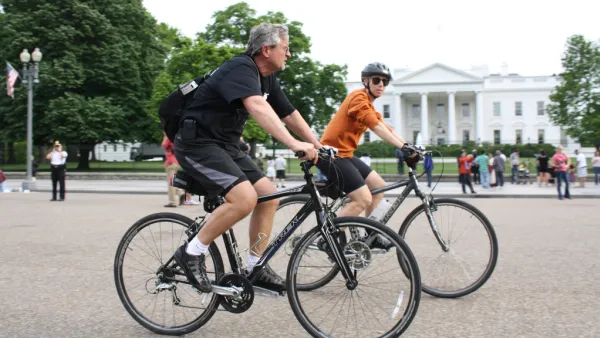
E-Bikes for an Aging Population
The bikes offer a transportation option for older people where other modes fall short.
Columbus Program Will Help Pregnant Women With Transportation
The program aims to address infant mortality by improving transportation access so women can more easily get prenatal care and other services.
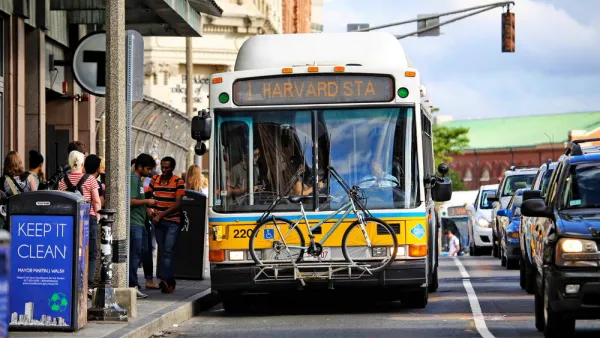
How Transportation Assistance Can Fight Homelessness
Transportation access is one of the biggest factors in keeping people out of homelessness. Cities can help with discounted fares and last-mile connections.

FREE Course: Walkable City 1: Why Walkability?
After describing his path towards focusing on walkability as the essence of good planning, Jeff Speck marches through his five principal reasons for making more walkable places.
Reinventing Malls: Planning Alchemy—Turning Gray Fields Into Gold
The course focuses on the opportunities and imperatives that shape reinvention of mall sites.

City of Rosemead
Rutgers University, Edward J. Bloustein School of Planning and Public Policy
One Hundred Miles
Hunter College, City University of New York (CUNY)
The Architects Foundation
University of Cincinnati Online
City of Cambridge
Montrose County
The Pocatello Development Authority









