While the focus has been on flashier components of the infrastructure bill, some smaller initiatives could have outsized impacts by shifting priorities and funding resilience efforts.


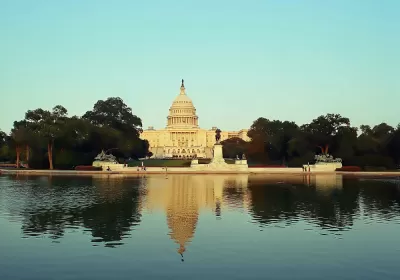
In Governing, Ben Miller describes some of the more obscure items in the Infrastructure Investment and Jobs Act (IIJA), which, while not in the spotlight, could have significant impacts on the country's infrastructure.
These include:
- A national road-use charge pilot program, which would shift revenue for road maintenance and repairs from a gas tax, which is imperiled by the rise of electric vehicles, with a tax based on miles driven.
- A pilot program to study transportation access designed to identify how people in transit-poor areas get around and what infrastructure projects could provide more equitable access to safe transportation. According to Miller, "this kind of work could mean shifting the conversation from car-focused searches for bottlenecks to mobility-focused searches for public need."
- Grants to fund capacity-building for small water agencies, which would fund the purchase of asset management software, GIS, and other tools for gathering data as part of an effort to help water systems identify issues and needs as droughts intensify.
- The creation of several "stormwater centers of excellence" at universities or institutions aimed at studying stormwater management and implementing new strategies for flood prevention and mitigation.
- A new commission charged with finding wildfire management solutions that can be implemented to fight increasingly destructive fires.
Read the full story: Five Potentially Overlooked Pieces of the Infrastructure Bill

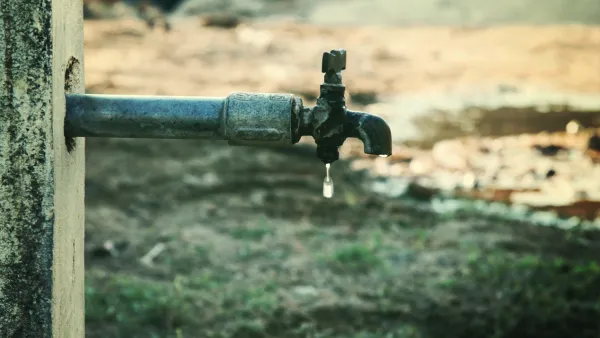
How the Internet of Things Can Help Solve Water Woes
New tools and technologies of the so-called Internet of Things are helping cities get a better handle on water scarcity and overabundance.
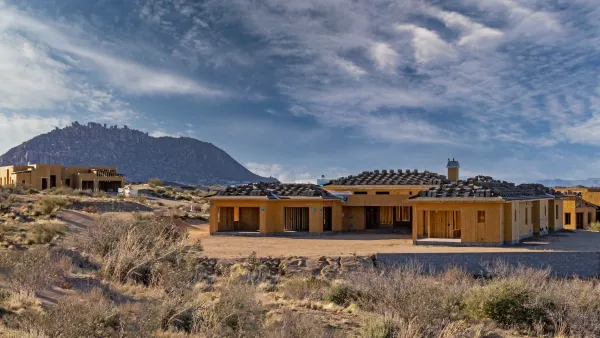
Planning Trends for 2026: States and Cities Take Initiative, Passenger Rail Gains Steam, and the Costs of AI Revealed
With federal funding for everything from transportation projects to housing assistance under threat, city and state governments are poised to take a stronger role in building strong, resilient local economies and public services.
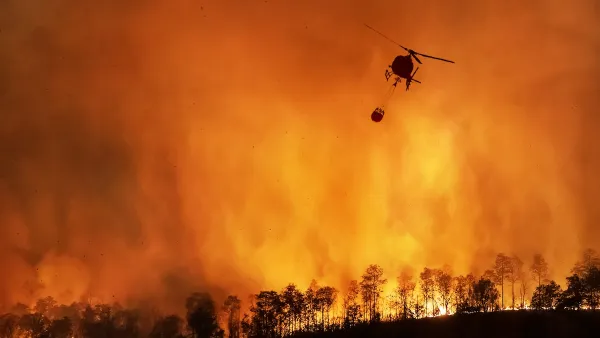
California Fire Dashboard Tracks Statewide Resilience Efforts
The online map builds a comprehensive database of fire prevention and mitigation efforts at every level of government to help agencies coordinate their work and understand the impacts of projects.

Planetizen Federal Action Tracker
A weekly monitor of how Trump’s orders and actions are impacting planners and planning in America.

Amtrak, CN end decades-long dispute with eight-year agreement
The new operating agreement establishes an updated framework for the companies to work together, including processes to resolve disputes.

Judges permit Denver to divert 77,000 acre feet from the Colorado River for reservoir expansion
Overuse and climate change have caused the Colorado River’s water levels to plummet.

NYC DOT wants faster, more permanent street upgrades
The city is examining ways to build more concrete infrastructure without getting entangled in 'decades-long' projects.

'Something we’ve never seen before:' rising utility rates could strain city finances nationwide
Data centers, climate change and other factors have caused utility rates in the United States to increase by 38% since 2020.

Trump to overrule local leaders, lease millions of acres of America’s Pacific Island territories’ seafloors to mining companies
International law says that the Indigenous people of America’s territories have a right to prior and informed consent regarding projects that impact their countries.

FREE Course: Walkable City 1: Why Walkability?
After describing his path towards focusing on walkability as the essence of good planning, Jeff Speck marches through his five principal reasons for making more walkable places.
Reinventing Malls: Planning Alchemy—Turning Gray Fields Into Gold
The course focuses on the opportunities and imperatives that shape reinvention of mall sites.

Harvard University Graduate School of Design
KFH Group Inc.
Greater Baltimore Committee
The Architects Foundation
University of Cincinnati Online
The Pocatello Development Authority
The Urban Renewal Agency of the City of Pocatello