The new ‘reciprocal, fair, and balanced’ trade framework puts American and European vehicle safety standards on the same level, eliminating European safety standards that outlaw some of the largest, most dangerous American trucks and SUVs.


A new “Reciprocal, Fair, and Balanced Trade” framework with the European Union could mean European markets will see a lot more large American-made trucks and SUVs, writes Lloyd Alter in an opinion piece in Streetsblog USA.
According to Alter, “To placate the U.S. and avoid massive tariffs, the Europeans gave away the store on food restrictions, energy, military procurement, and, of most interest for this post, cars.” Significantly, “With respect to automobiles, the United States and the European Union intend to accept and provide mutual recognition to each other’s standards.”
This means that the agreement essentially rolls back Europe’s hard-won safety standards, replacing them with the much more watered-down U.S. standards when it comes to vehicle size and the safety of people outside the car.
In a press release, the European Transport Safety Council condemned the move, writing, “This is not a technical detail – it is a political choice that puts trade convenience ahead of saving lives… Allowing American vehicles onto the EU market on the basis of ‘mutual recognition’ of standards is a betrayal of Europe’s safety leadership, and it will cost lives.”
Highlighting the consequences of the changes, the press release adds, “Europe’s mandatory requirements for life-saving technologies such as automated emergency braking, lane-keeping assistance and pedestrian protection have made our cars safer and our roads less deadly. None of these protections are guaranteed under U.S. rules.”
FULL STORY: In Trade Deal With Trump, Europe Sells Out its Pedestrians


National Roadway Safety Program Centers Vision Zero at the Federal Level
A new federal program will direct resources to reducing traffic deaths, improving roadway safety, and encouraging a shift to sustainable transportation modes.
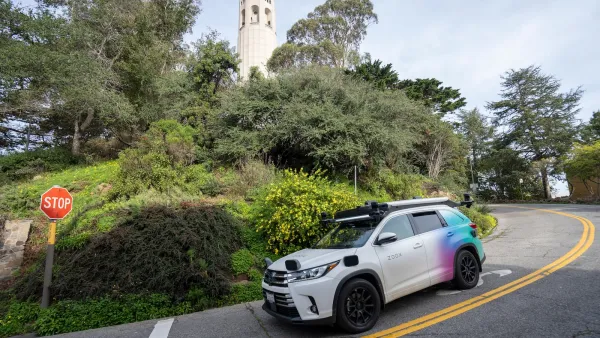
Feds want to make brake pedals optional in AVs
A proposed rule change would no longer require carmakers to include manual brake pedals or steering wheels in fully self-driving cars.
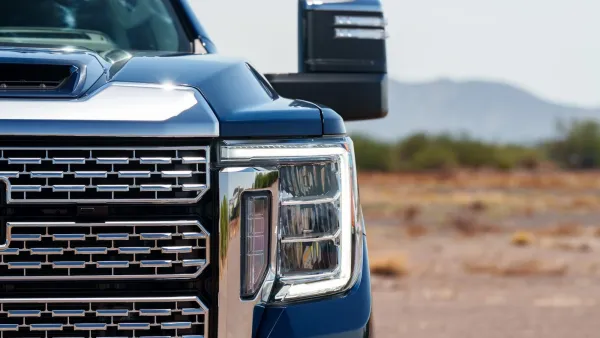
Analysis: Bigger cars are responsible for 10% of increase in pedestrian deaths
The New York Times offers a visual explanation of how larger vehicles make US roads more dangerous.

Planetizen Federal Action Tracker
A weekly monitor of how Trump’s orders and actions are impacting planners and planning in America.

The state-sanctioned urbicide of Austin
People don’t kill cities. Freeways do.

US to reduce Colorado River water deliveries to Mexico
A new Colorado Treaty amendment reduces Mexico’s Colorado River water allocation by 250,000 acre feet.

5 New England states march closer to 800 megawatt wind energy project
Securing federal approval for the project may be complicated under the Trump administration, which has historically been hostile towards domestic wind power.

Baltimore to break ground on $50 million Transit Priority Project
The project will bring faster bus trips, safer streets and better bike connections to Baltimore.

Airbnb launches $250 million 'last-dollar financing' housing accelerator, makes first investment in Austin
The company will put $6.4 million towards affordable housing development in Texas’ capital.

FREE Course: Walkable City 1: Why Walkability?
After describing his path towards focusing on walkability as the essence of good planning, Jeff Speck marches through his five principal reasons for making more walkable places.
Reinventing Malls: Planning Alchemy—Turning Gray Fields Into Gold
The course focuses on the opportunities and imperatives that shape reinvention of mall sites.

Eagle County Government
Harvard University Graduate School of Design
Nashville Planning Department
The Architects Foundation
University of Cincinnati Online
The Pocatello Development Authority
The Urban Renewal Agency of the City of Pocatello
Journal of the American Planning Association