The New York Times offers a visual explanation of how larger vehicles make US roads more dangerous.


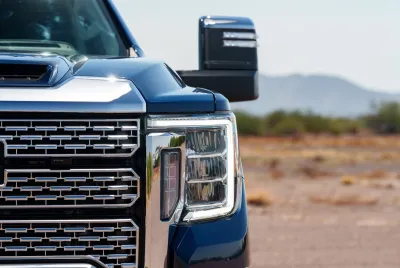
A New York Times analysis confirms that larger vehicles are an important factor in the surge in pedestrian deaths in the United States.
The article, written by Michael H. Keller, Eli Murray, Danielle Ivory and Irineo Cabreros, explains that, based on their analysis of industry records, "Our estimate is that about 200 to 400 pedestrians a year would not have died if vehicles had remained approximately the same size over the past quarter-century."
As the authors explain, larger vehicles have taller hoods and larger blind zones, factors that put people outside the car in more danger. Drivers are less likely to see them, and if they get struck, they are more likely to have more severe injuries. According to the analysis, a person who is 5'6" tall is likely to be knocked down by 48% of today's vehicles. In 2002, that number would have been 33%.
The analysis also used 3D models to show how blind spots have grown. On a Chevy Silverado truck, blind zones have nearly doubled since the 1990s.
See the source article for interactive illustrations of how vehicle sizes have changed over time.
FULL STORY: The Deadly Rise of Giant Trucks and S.U.V.s

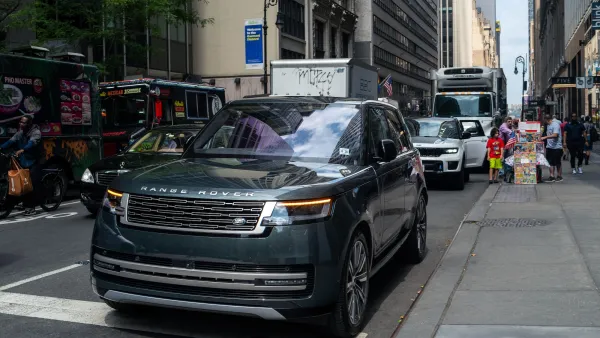
Study: Capping Vehicle Size Could Reduce Global Traffic Deaths by 40%
Limiting cars to 2020 sizes could save consumers up to 22% on gas, according to a new study.
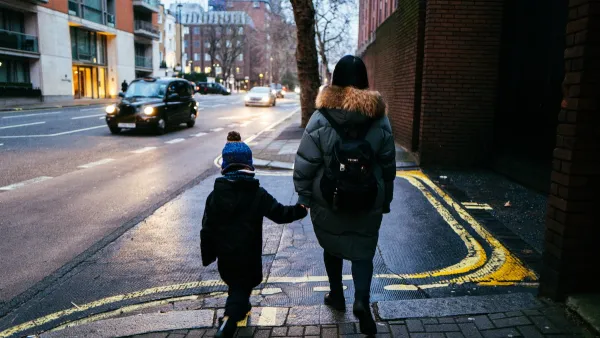
Study: Large SUVs Double Risk of Death for Children Under 10
New research from the United Kingdom reveals the higher risk of larger vehicles for pedestrians and cyclists.
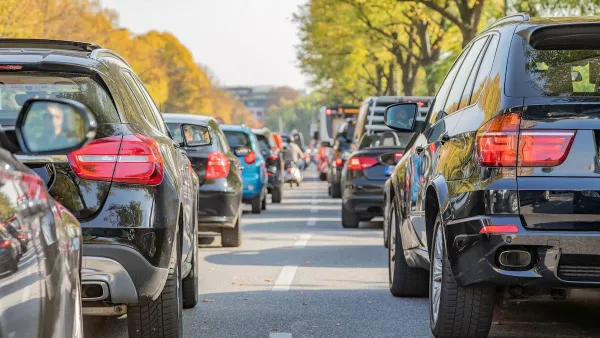
Study: Larger Vehicles Lead to More Congestion
New research links large SUVs to lower traffic throughput.

The state-sanctioned urbicide of Austin
People don’t kill cities. Freeways do.

US to reduce Colorado River water deliveries to Mexico
A new Colorado Treaty amendment reduces Mexico’s Colorado River water allocation by 250,000 acre feet.

New Jersey’s second-largest city bans standalone data centers
Jersey City will continue to allow co-location facilities, such as those meant for research institutions that store their own data.

Amtrak not solely to blame for New Jersey commuter rail's unreliability, report finds
A new study from the Garden State Initiative found that NJ Transit’s budget grew 20% across a 4 year period, but reliability declined significantly over the same period.

EPA erases limits on planet-warming pollution from power plants
Under Monday’s plan, power plants would still have some limits on how much mercury, arsenic and other contaminants they can emit.

Phoenix announces new on-demand transit service, more frequent RAPID buses
Both new services will launch in October, and are part of Phoenix's Project Effective Access Solutions for Easing Congestion.

FREE Course: Walkable City 1: Why Walkability?
After describing his path towards focusing on walkability as the essence of good planning, Jeff Speck marches through his five principal reasons for making more walkable places.
Reinventing Malls: Planning Alchemy—Turning Gray Fields Into Gold
The course focuses on the opportunities and imperatives that shape reinvention of mall sites.

Eagle County Government
Harvard University Graduate School of Design
Nashville Planning Department
The Architects Foundation
University of Cincinnati Online
The Pocatello Development Authority
The Urban Renewal Agency of the City of Pocatello
Journal of the American Planning Association