New research from the United Kingdom reveals the higher risk of larger vehicles for pedestrians and cyclists.


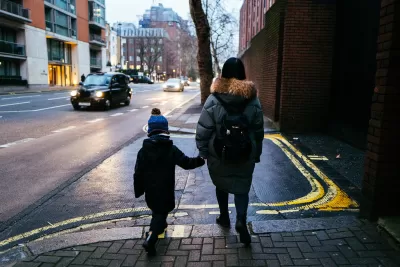
A new study affirms the increased risk to pedestrians and cyclists posed by larger SUVs. According to an article by Ross Lydall in The Standard, the study from the London School of Hygiene & Tropical Medicine and Imperial College London showed a 44 percent higher risk of death for people on foot or bike hit by “supersized” SUVs. The risk rose to 82 percent for children, and to 130 percent for children under 10.
“This means that pedestrians and cyclists will be struck higher up on their body (e.g. the pelvis not the knees for an adult, or the head not the pelvis for a child),” posing a higher risk of fatal injuries. People struck by large vehicles are also more likely to be thrown forward and struck again by the same car, Lydall adds. “The researchers estimated that the proportion of car crashes involving an SUV to be around 45 per cent in the USA and 20 per cent in Europe.”
In London, road deaths dropped from 102 to 95 between 2022 and 2023, but rose again to 110 in 2024, but Transport for London’s data does not indicate how many deaths were from SUV crashes.
FULL STORY: Supersize' SUV cars much more likely to cause fatal injury to cyclists and pedestrians, say researchers

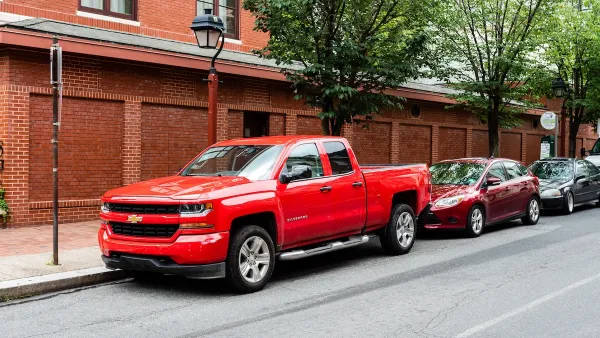
Heavier Vehicles Don’t Keep Passengers Safer
A new study shows that modern safety features are more important than size and weight once vehicles weigh over 4,000 pounds.
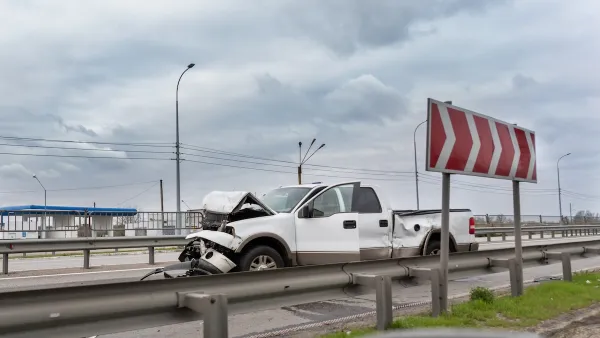
Proposed NHTSA Rule Takes Aim at Dangerously Large Trucks and SUVs
Nearly half of pedestrians who died after being hit by the front of a vehicle were struck by SUVs or trucks.
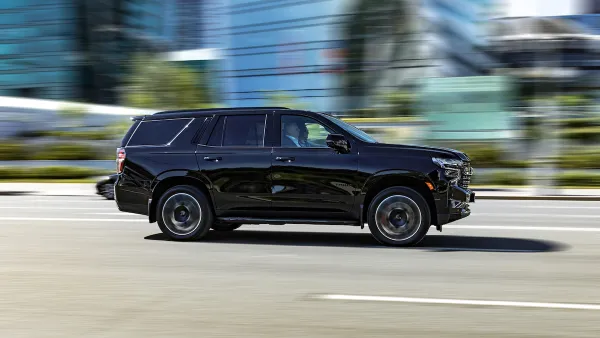
GAO to Investigate How Vehicle Design Impacts Safety
A lax set of rules around vehicle size, height, and other factors is partly responsible for the alarming rise in pedestrian deaths in the United States.

The state-sanctioned urbicide of Austin
People don’t kill cities. Freeways do.

US to reduce Colorado River water deliveries to Mexico
A new Colorado Treaty amendment reduces Mexico’s Colorado River water allocation by 250,000 acre feet.

New Jersey’s second-largest city bans standalone data centers
Jersey City will continue to allow co-location facilities, such as those meant for research institutions that store their own data.

Amtrak not solely to blame for New Jersey commuter rail's unreliability, report finds
A new study from the Garden State Initiative found that NJ Transit’s budget grew 20% across a 4 year period, but reliability declined significantly over the same period.

EPA erases limits on planet-warming pollution from power plants
Under Monday’s plan, power plants would still have some limits on how much mercury, arsenic and other contaminants they can emit.

Phoenix announces new on-demand transit service, more frequent RAPID buses
Both new services will launch in October, and are part of Phoenix's Project Effective Access Solutions for Easing Congestion.

FREE Course: Walkable City 1: Why Walkability?
After describing his path towards focusing on walkability as the essence of good planning, Jeff Speck marches through his five principal reasons for making more walkable places.
Reinventing Malls: Planning Alchemy—Turning Gray Fields Into Gold
The course focuses on the opportunities and imperatives that shape reinvention of mall sites.

Eagle County Government
Harvard University Graduate School of Design
Nashville Planning Department
The Architects Foundation
University of Cincinnati Online
The Pocatello Development Authority
The Urban Renewal Agency of the City of Pocatello
Journal of the American Planning Association