Washington
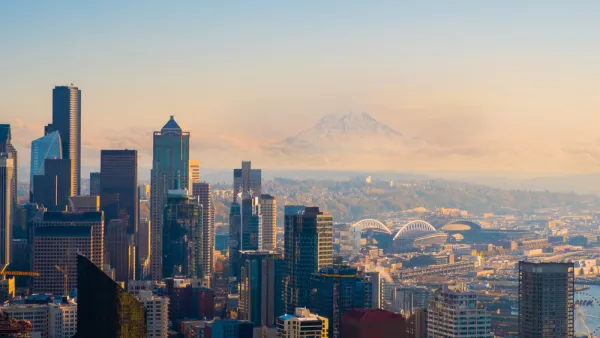
Office Demand in Seattle Suddenly Back and Bigger Than Ever
The fortunes of commercial real estate in Seattle have completely reversed since February, according to a new analysis.
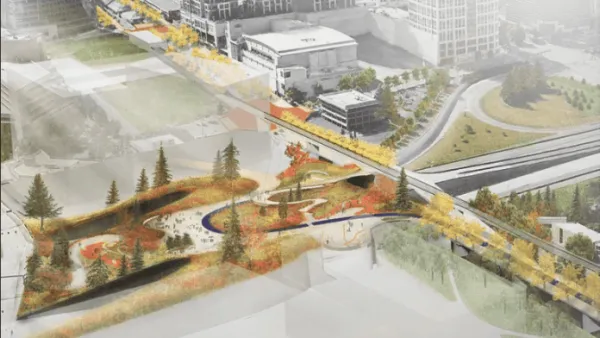
Poised for a New Era of Parks Planning in Bellevue, Washington
The last round of capital investment made possible by a 2008 parks levy offers a chance to look further into the future in Bellevue, Washington.
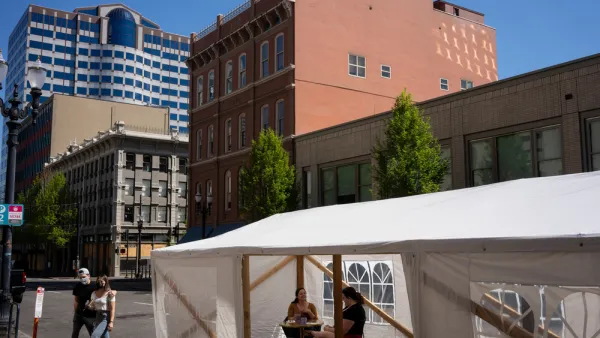
Pandemic Still Surging in Parts of the U.S.
Bloomberg News' 'Evening Briefing' on April 29 looked at the global pandemic, noting the horrific scenes in India, Brazil's rising death toll, and added, "Coronavirus mutations are also wreaking havoc in America." Oregon is their focus.
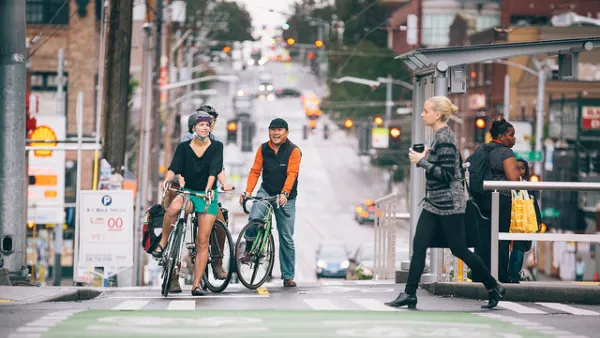
U.S. Cities Reexamine the Discriminatory Effects of Bike Helmet Laws
Data from cities across the country show that bike helmet laws are enforced more aggressively in communities of color.

2021 Most Endangered Rivers List Highlights Environmental Justice
The annual list of endangered rivers created by American Rivers has always documented pollution and other threats like dam construction, but this year, the confluence of water and systemic racism warrants extra attention.
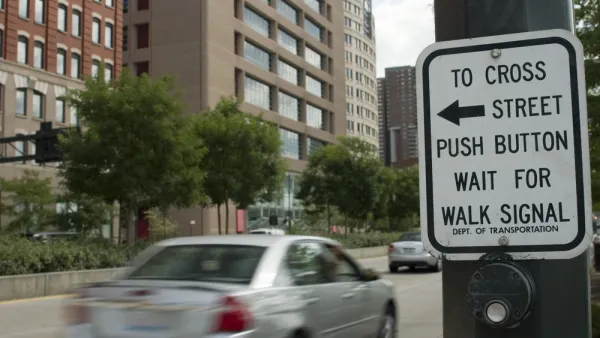
Seattle Recalculates Walk Signal Timing to Make Crossings Safer for Pedestrians
The new formulas for calculating the length of walk signals are designed to give people more time to safely cross the street.
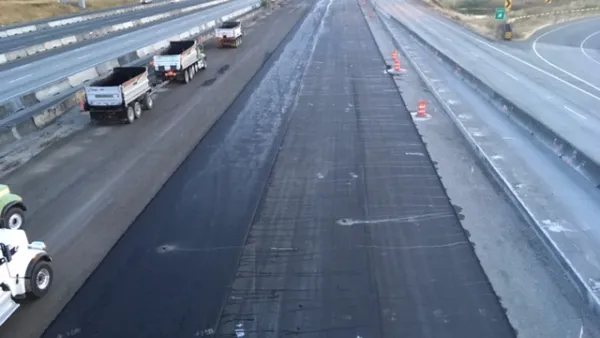
Opinion: Washington State Should Stop Funding Freeways
The Urbanist's editorial board calls for an end to highway widening and an increased focus on walking, biking, and transit.
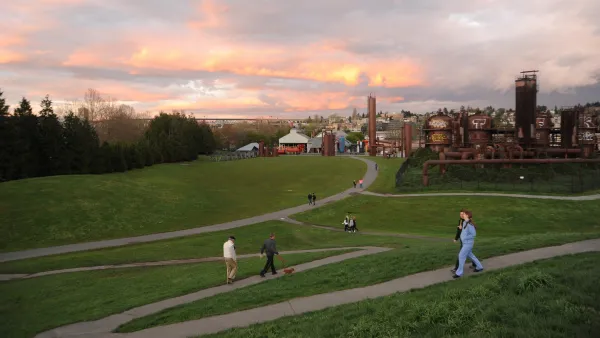
Seattle's 'Electrification Blueprint' Sets Ambitious Goals
The city's new transportation plan focuses on eliminating carbon emissions in its transportation sector, reducing congestion, and boosting public transit.
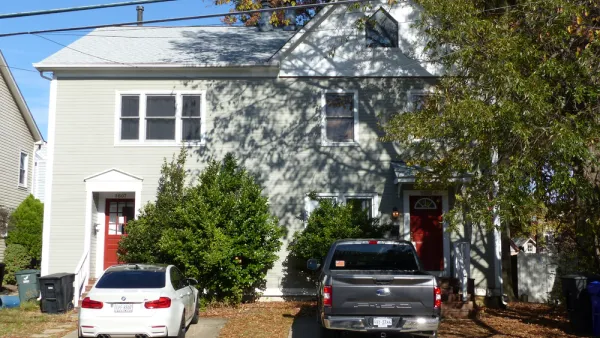
Tacoma Plan Would Eliminate Single-Family Zoning in Favor of 'Missing Middle' Housing
If implemented, Home in Tacoma would create new housing categories to encourage more multi-family buildings.
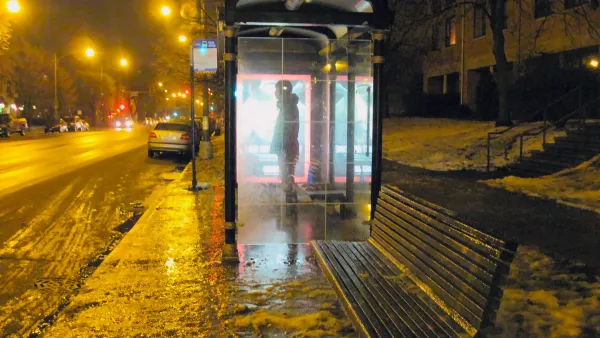
Bus Stop Balancing, Explained
Pierce Transit, which serves Pierce County in Washington State, is undertaking a bus stop balancing project intended to speed up bus service. They're also doing the work of explaining why a reduction of bus stops is desirable, or even necessary.
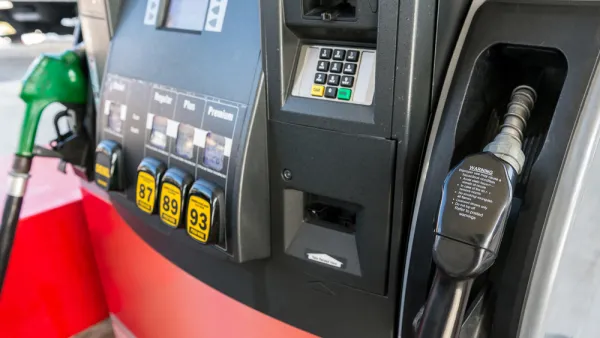
Opinion: Gas Taxes Are 'Redlining on Wheels'
With dwindling revenue and a narrow scope for funding projects, it may be time for Washington State to re-evaluate its gas tax in favor of more sustainable revenue sources.
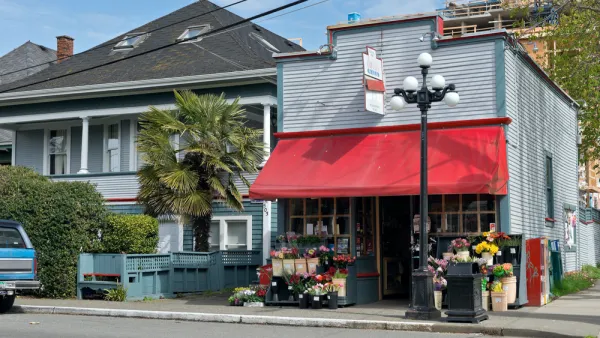
Home-Based Businesses Could Save the Post-Pandemic Economy
Seattle's city council considers reducing 'arbitrary' and 'exclusionary' limits on home-based businesses.
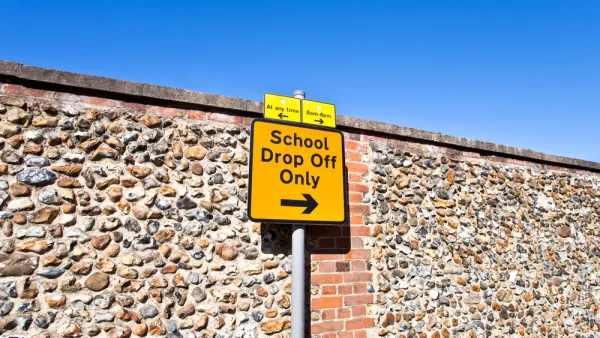
Opinion: Stop Paving Seattle Playgrounds for Parking Lots
Seattle schools are often forced to reduce their playground space in favor of parking and circulation for private cars, but altering the city code could change that.
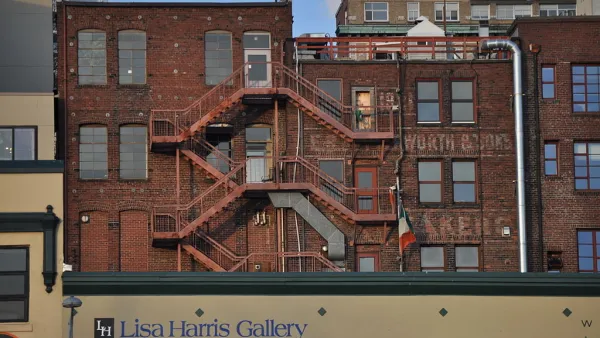
The Need for Social Housing in Seattle
Seattle trails international peer cities in its social housing stock, but there are steps city leaders can take to produce more units and increase affordability.
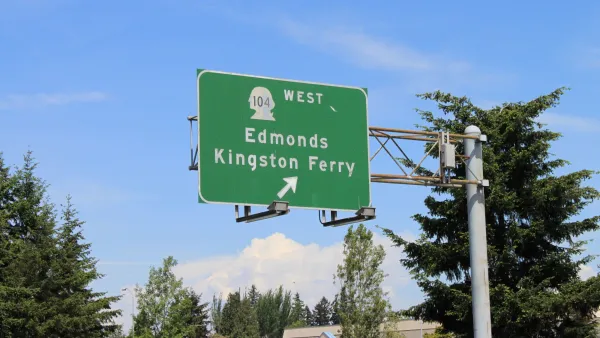
Pedestrian Improvements Planned for Washington State Highway
New medians, dedicated turn lanes, and signalized crosswalks are aimed at improving pedestrian safety along the busy corridor.
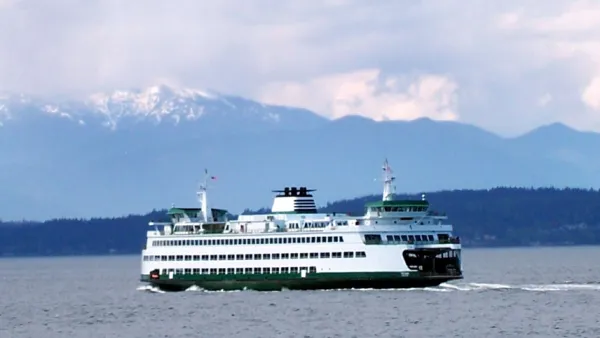
Washington State Considering New Gas Tax, Transit and Bike Fees
The state legislature is weighing three proposals that seek to fund improvements to aging infrastructure and upgrade the state's transportation network.
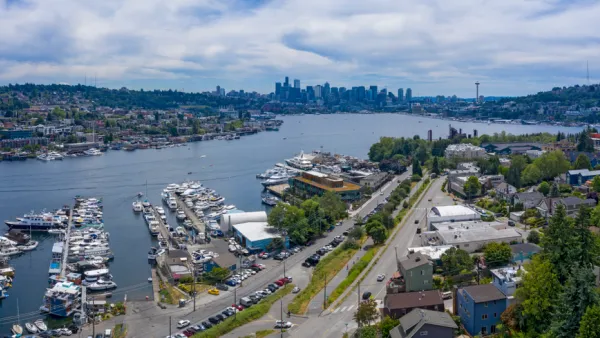
Study Calls Seattle Nation's 'Most Economically Integrated' City
A study of real estate values in Seattle found that townhomes have helped diversify neighborhoods and increase affordability.

Higher Lot Coverage to Boost Density
A proposal in Snohomish County, Washington could raise the lot coverage limits in medium density residential zones to allow for more usable square footage.
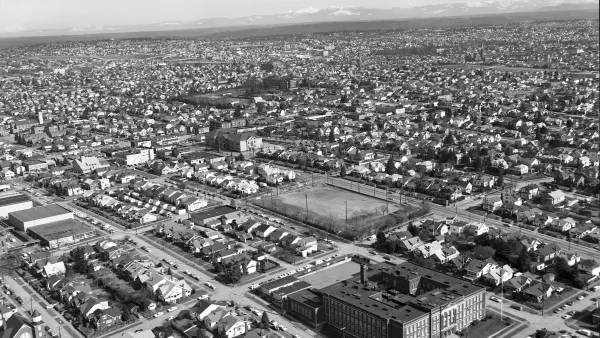
Historic Preservation as a Tool of Exclusion
The push for historic preservation districts often amounts to exclusionary zoning that exacerbates the housing affordability crisis.
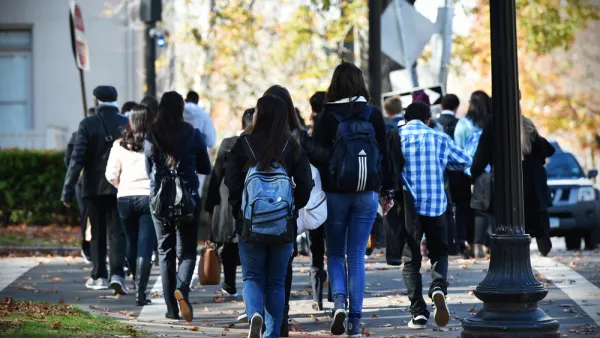
Opinion: To Reduce Emissions, Listen to Those Who Don't Drive
An initiative to promote pedestrian-oriented infrastructure investments in Washington state highlights the lessons that policymakers can learn from people who rely on walking and public transit.

FREE Course: Walkable City 1: Why Walkability?
After describing his path towards focusing on walkability as the essence of good planning, Jeff Speck marches through his five principal reasons for making more walkable places.
Reinventing Malls: Planning Alchemy—Turning Gray Fields Into Gold
The course focuses on the opportunities and imperatives that shape reinvention of mall sites.

City of Rosemead
Rutgers University, Edward J. Bloustein School of Planning and Public Policy
One Hundred Miles
University of Michigan School for Environment and Sustainability (SEAS)
Hunter College, City University of New York (CUNY)
The Architects Foundation
City of Cambridge
The Pocatello Development Authority
The Urban Renewal Agency of the City of Pocatello









