District of Columbia
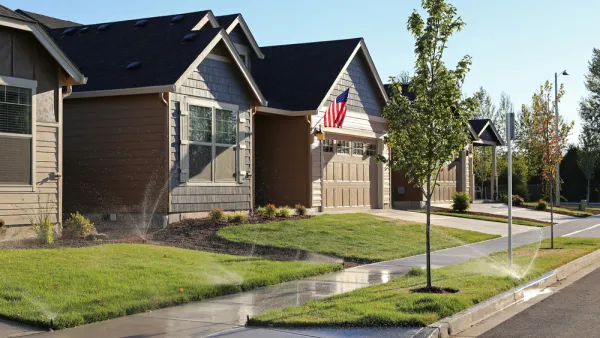
Responses to the Suburbanization of Poverty in Short Supply
Low-income residents have scattered to the periphery, where social services are less accessible.
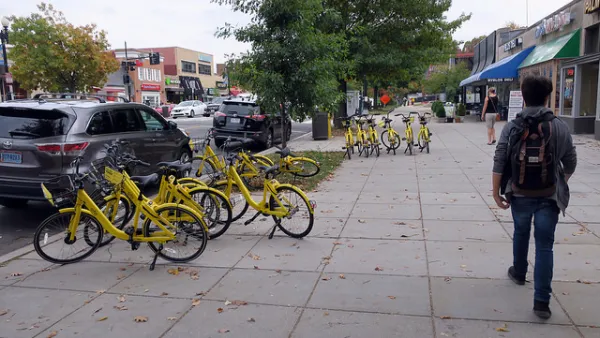
BART Has Had Enough of Dockless Bikes
With piles of them strewn around stations, the transit agency is "cracking down" on bikeshare companies.
Trump's 2020 Budget Includes a New 'Planning and Vision Implementation' Agency
The centerpiece of the Trump Administration's draft budget outline for 2020 is the creation of a new Cabinet-level department tasked with solving the nation's planning and infrastructure challenges.
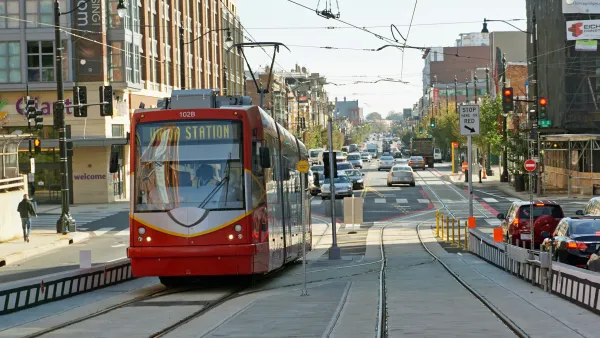
D.C. Mayor Proposes Tax Increase on Ride-Hailing to Fund Transit
Mayor Bowser's 2019 budget also continues investments designed to create affordable housing and distribute homeless shelters throughout the city.

Lessons from a Six-Hour Hearing on Planning and Zoning
A recent debate in Washington, D.C. echoed common concerns about the planning process in cities around the country.
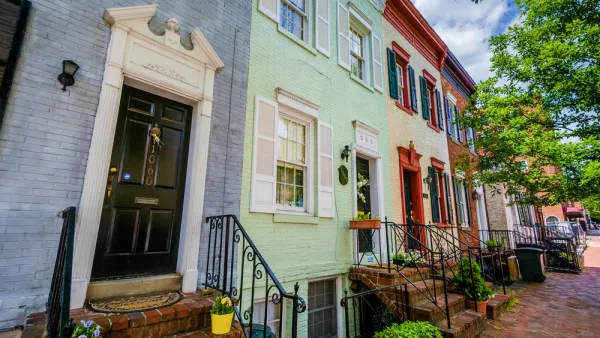
How a Change in the Definition of 'Cellars' Could Downzone Much of Washington, D.C.
The D.C. Zoning Commission will revisit a proposed text amendment to the District Zoning Code in April.
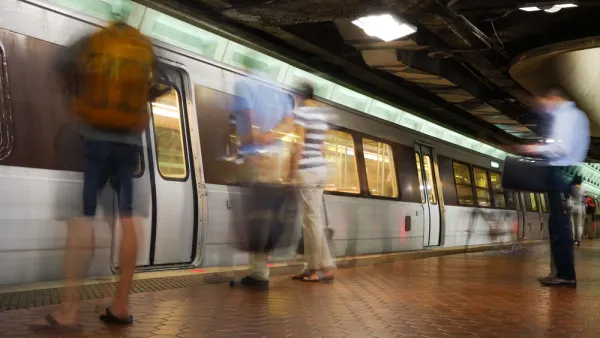
D.C. Metro Could Get a Big Funding Boost from Virginia and Maryland
In some respects, D.C. Metro has been the poster child for dysfunctional transit systems in recent years, but the states of Virginia and Maryland are close to ensuring a new source of funding that could help stabilize the transit agency.
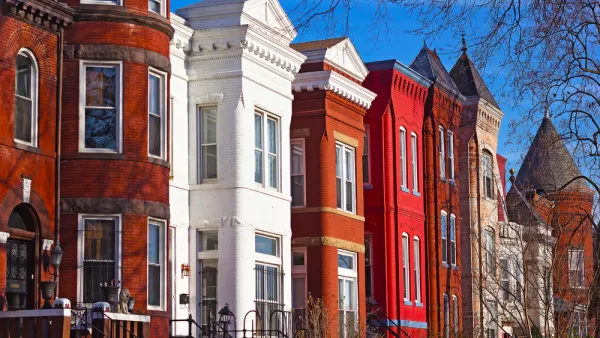
What Old Building Isn't Historic?
David Alpert argues for a more rigorous definition for what is not historic. Without one, developers and property owners have no way to know what buildings can't or won't be given the designation.
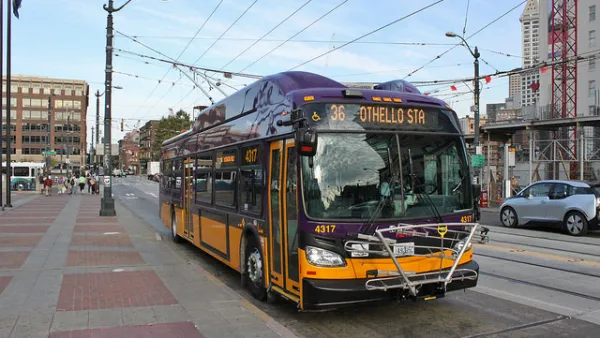
The Best Cities for Transit
Redfin's most recent ranking of public transit access features some serious moves, both up and down the list.
Roundtable Discussion: Retrofitting Suburbia for Walkability
One of the biggest obstacles to retrofitting suburbia with more walkable environments is passionate local opposition to change.

Report Details the Long-Term Financial Benefits of Green Design
This report estimates that U.S. cities could save half a trillion dollars by investing in "smart surface technologies." The study takes into account obvious factors like energy use and less intuitive ones like tourism revenues.
Dockless Bikeshare and Racist Dog Whistles: 'Why are you assuming that bike is stolen?'
Urbanist and advocate Kristen Jeffers decries the thinly veiled racism underlying complaints about D.C.'s dockless bikeshare program.
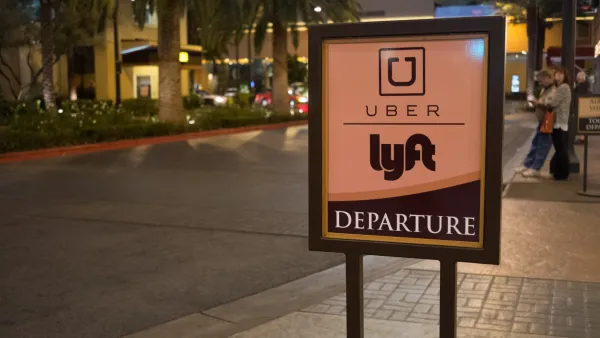
Do Rideshare and Goods Delivery Need Their Own Curb Space?
On some busy blocks, Uber and Lyft drivers have nowhere safe to park. Neither do parcel delivery personnel. Shared use mobility zones could address the problem.

Is Washington D.C. Preserving Buildings or Hoarding Them?
A piecemeal, reactive approach to historic preservation in the capital may burden the future with too many buildings of "middling merit."
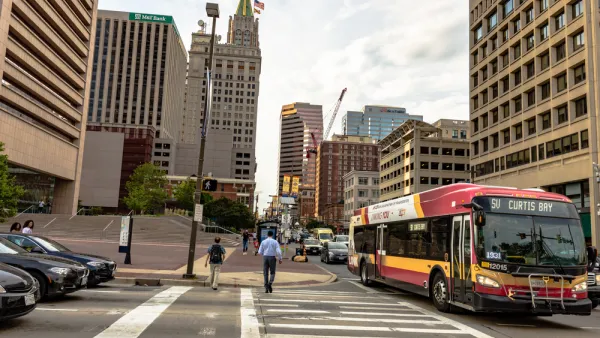
Express Bus Service Eliminated in Suburban Baltimore
The failure of suburb-to-suburb bus service run by the Maryland Transit Administration (MTA) offers lessons in regional transit planning.
Tax Abatements Could Spur Adaptive Reuse in Washington, D.C.
Faced with commercial vacancies around 11 percent and the prospect of new office supply coming online soon, D.C. stakeholders are pushing for a bill that would provide incentives for conversions of office buildings into residential units.
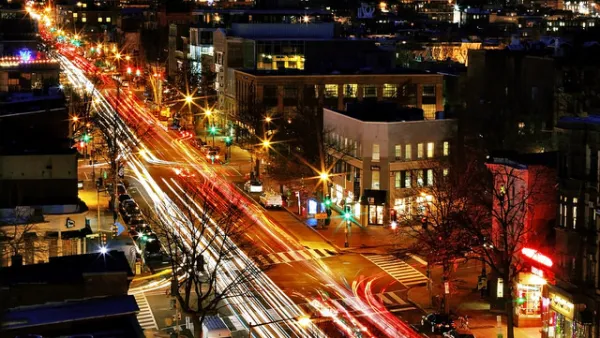
A Growing D.C. Corridor Gets Badly Needed Bus Service
The new 59 bus route down 14th Street in Washington, D.C. represents a major win for transit advocates.
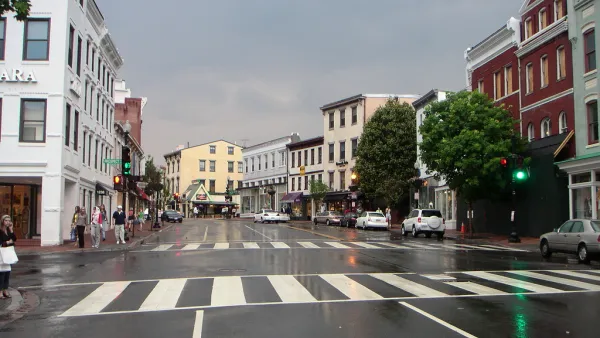
Rent Down 3.9% for Apartments in the Nation's Capital
After years of rising rents D.C., 2017 brought a bump in new apartment supply and a dip in apartment rents around the city.
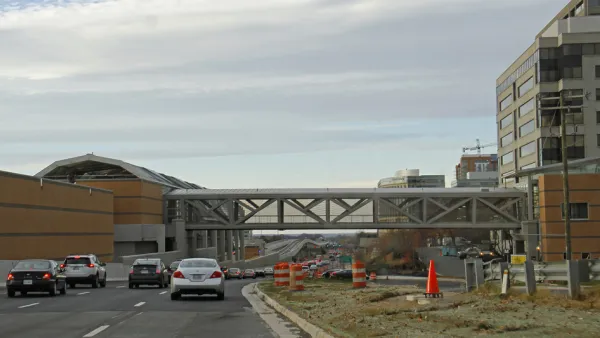
D.C. Metro Considering Privatization of Operations and Maintenance on New Silver Line
A proposal to privatize operations and maintenance of stations and track on the Silver Line has taken an initial, tentative step forward.
Train Running Late? This Refund's for You
D.C. Metro is considering a new "Rush-Hour Promise"—if you're train is running 15 minutes later or more, your fare will be refunded.

FREE Course: Walkable City 1: Why Walkability?
After describing his path towards focusing on walkability as the essence of good planning, Jeff Speck marches through his five principal reasons for making more walkable places.
Reinventing Malls: Planning Alchemy—Turning Gray Fields Into Gold
The course focuses on the opportunities and imperatives that shape reinvention of mall sites.

KFH Group Inc.
Greater Baltimore Committee
Eagle County Government
The Architects Foundation
University of Cincinnati Online
The Pocatello Development Authority
The Urban Renewal Agency of the City of Pocatello