The first phase of Washington D.C.'s The Wharf is now open, bringing glitz to a formerly quiet section of waterfront.


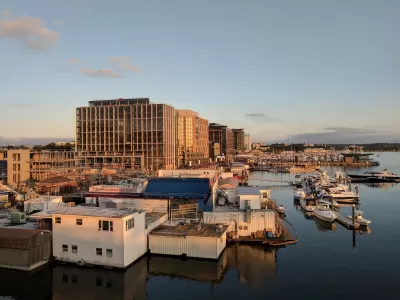
For The Architect's Newspaper, Jackson Rollings writes, "Previously the site was a mile-long stretch of boat storage, industrial space, and some back-door barbecue joints. At its northern end, it also includes the oldest fish market in the United States. Before the Wharf could be built, the existing seawall and promenade were torn up and replaced by an underground, two-story parking garage spanning the length of the development."
In mid-October, Phase One of the project "opened to the public–in total, 1.2 million square feet of mixed-use space including office structures, luxury and affordable residential space, a marina, and waterfront parks." The fish market, by the way, has been preserved in its original form.
Phase Two, which is slated for completion in 2021, "will add an additional 1.2 million square feet to the overall site footprint, mostly extending south."
Read the full story: The Wharf, D.C.’s massive waterfront development, is now open

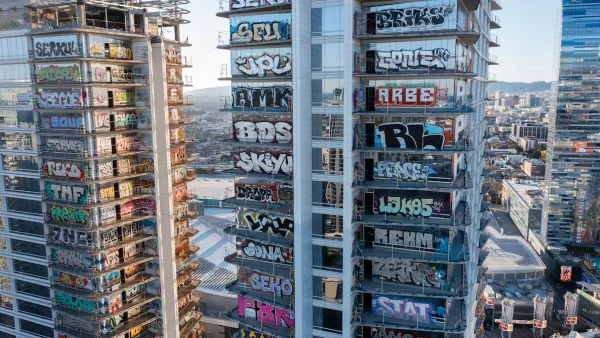
LA’s Abandoned Towers Loom as a “$1.2 Billion Ruin of Global Capital”
Oceanwide Plaza, shuttered mid-construction after its developer filed for bankruptcy, has stood vacant on prime Los Angeles real estate since 2019.

Magical Thinking and NIMBYism
Comparing different types of NIMBYism and where they go wrong.
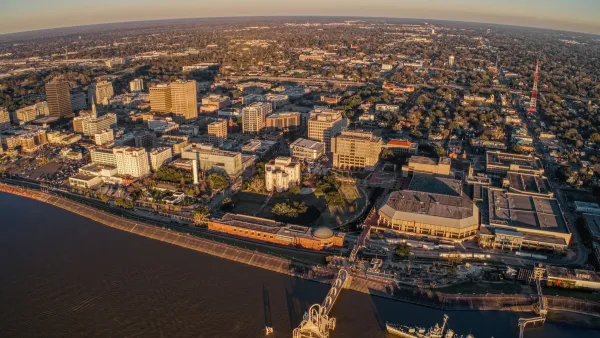
Baton Rouge master plan aims to triple downtown population
The Louisiana capital wants to entice developers to its riverfront district.

Planetizen Federal Action Tracker
A weekly monitor of how Trump’s orders and actions are impacting planners and planning in America.

Amtrak, CN end decades-long dispute with eight-year agreement
The new operating agreement establishes an updated framework for the companies to work together, including processes to resolve disputes.

Judges permit Denver to divert 77,000 acre feet from the Colorado River for reservoir expansion
Overuse and climate change have caused the Colorado River’s water levels to plummet.

NYC DOT wants faster, more permanent street upgrades
The city is examining ways to build more concrete infrastructure without getting entangled in 'decades-long' projects.

'Something we’ve never seen before:' rising utility rates could strain city finances nationwide
Data centers, climate change and other factors have caused utility rates in the United States to increase by 38% since 2020.

Trump to overrule local leaders, lease millions of acres of America’s Pacific Island territories’ seafloors to mining companies
International law says that the Indigenous people of America’s territories have a right to prior and informed consent regarding projects that impact their countries.

FREE Course: Walkable City 1: Why Walkability?
After describing his path towards focusing on walkability as the essence of good planning, Jeff Speck marches through his five principal reasons for making more walkable places.
Reinventing Malls: Planning Alchemy—Turning Gray Fields Into Gold
The course focuses on the opportunities and imperatives that shape reinvention of mall sites.

Harvard University Graduate School of Design
KFH Group Inc.
Greater Baltimore Committee
The Architects Foundation
University of Cincinnati Online
The Pocatello Development Authority
The Urban Renewal Agency of the City of Pocatello