Urban Development
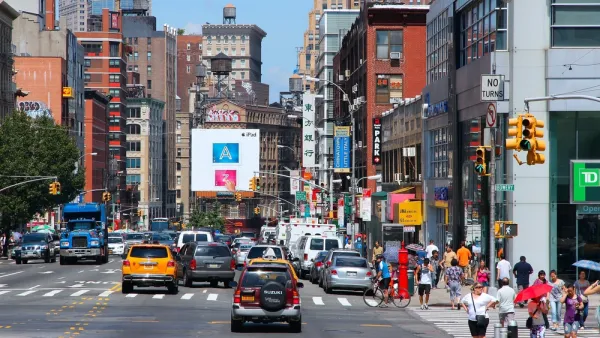
Congestion Pricing to Balance Out Mobility Systems
The goal of transportation networks should be to provide integrated and efficient services, which requires looking beyond particular modes.

Opportunity Zone Investors Look to Fuel Tech in Chicago
One venture plans to fund a 100-acre campus for tech, bioscience, and medical research in Chicago's Bronzeville neighborhood.
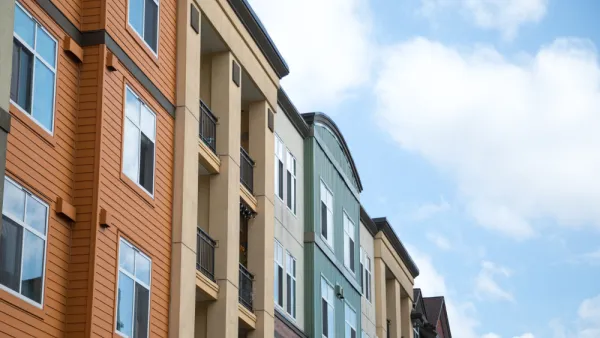
From McMansion to McMain Street
In attempt to design buildings that convey the complexity and scale of the traditional Main Street, we frequently end up with buildings that are a cartoon version of the real thing. Perhaps we are trying too hard?
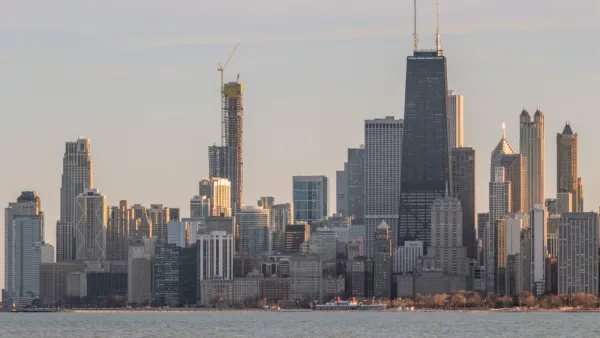
The New Skyscraper on the Block in Chicago
The Second City has a new third-tallest skyscraper.
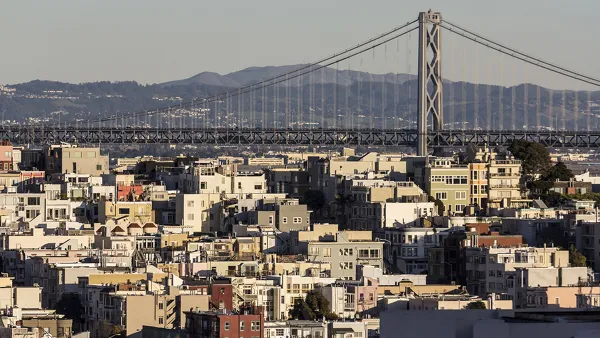
Tech Money Dominates S.F. Housing Market
The tech industry has created massive wealth, and the impacts on the real estate market are most dramatic in San Francisco.
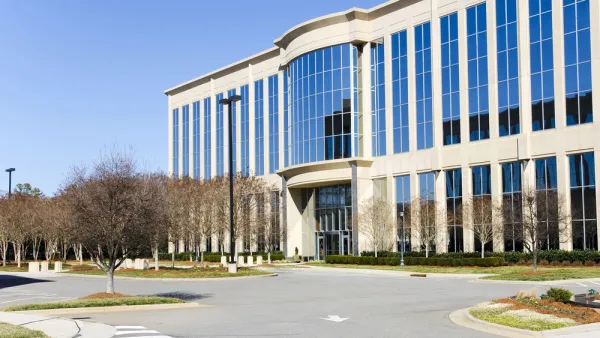
Watch: What it Takes to Retrofit Suburbia
June Williamson explains the necessary components of the next generation of the suburban retrofitting project, and why these actions are so necessary.
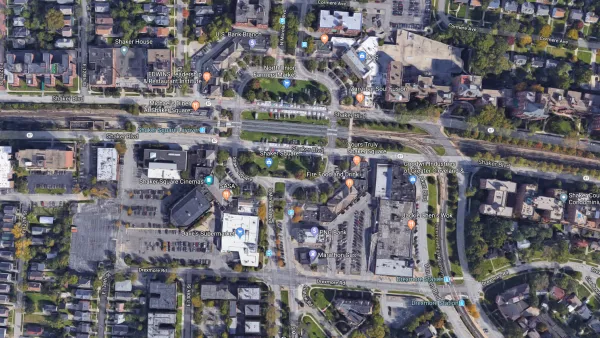
Idea for Saving an Aging Shopping Center: Remove Cut-Through Car Traffic
Planners like the idea of blocking car traffic on Shaker Boulevard through Shaker Square in Cleveland, The public is less sure.

Denver Won't Ease Restrictions for Social Marijuana Uses
The ongoing evolution of land use regulation related to legal marijuana hit a roadblock in Denver this month, although the city has already allowed nearly unprecedented freedom (in the U.S., at least) to buy, sell, and consume marijuana in the city.
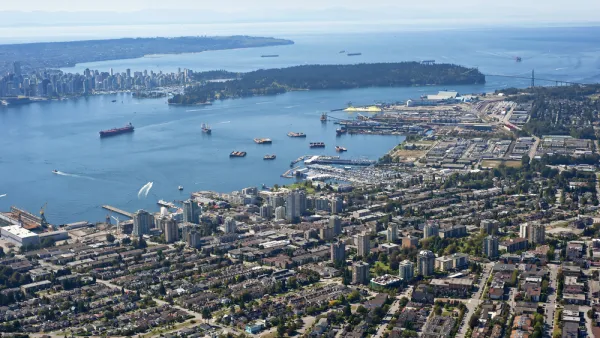
For Vancouver’s Carbon Footprint Reduction Plan, 2030 is the New 2040
Four months after formally recognizing climate change as an emergency, the Vancouver City Council considers six large-scale changes to dramatically reduce city-wide carbon emissions.
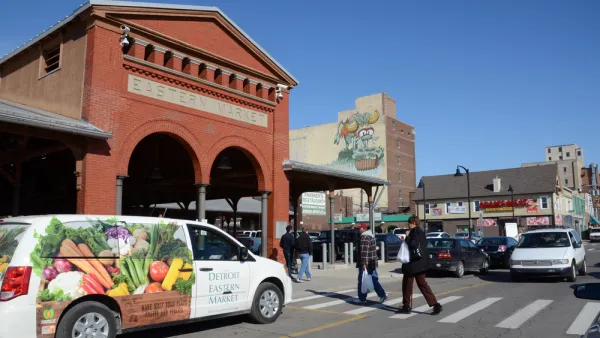
Protecting Detroit's Historic Food District
Detroit's historic food district is under very contemporary development pressure, so the nonprofit tasked with managing the market has decided to define principles that prioritize affordability and inclusivity in the area.

California Bill Takes Aim at Vacation Rentals
Proposed legislation in California would limit short-term beach rentals in San Diego.
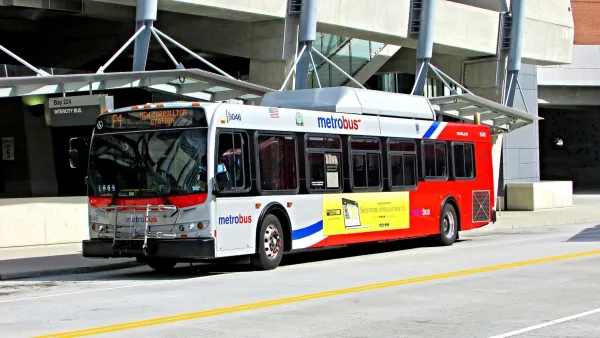
An Energy Efficient Makeover for D.C.-Area Public Transit
D.C. Metro has a plan to reduce carbon emissions and energy consumption by building to LEED green building standards and buying electric buses.

We Need More Words for Play
Could cities harness the power of play to build more healthy, resilient, and equitable communities, if only we had the words for it?
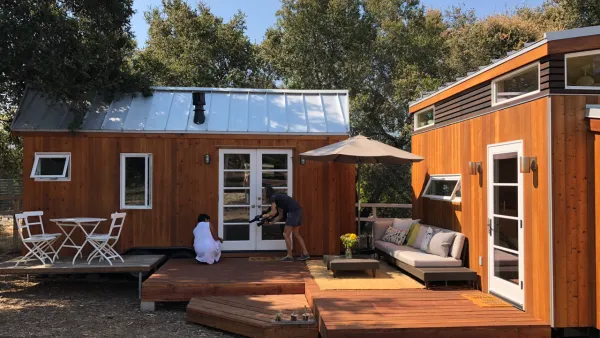
ADUs Offer Affordable Housing in California, but Challenges Persist
While accessory dwelling units have the potential to ease California’s housing crisis, homeowners still find the construction process difficult to navigate.
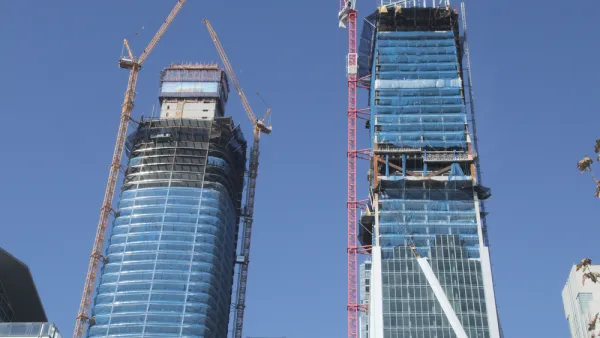
Another Big City Announces Sweeping Energy Plans for Buildings
San Francisco and New York City made a theme of this year's Earth Day: mandating emissions reductions from buildings.
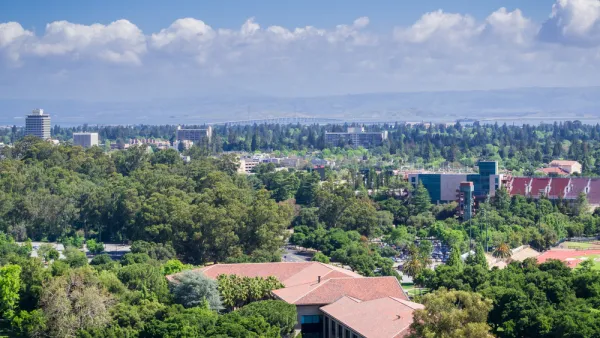
California's Upzoning Bill, SB 50, Would Allow Apartment Construction in Wealthy Communities
The proposed legislation would open up cities like Palo Alto to higher-density housing.
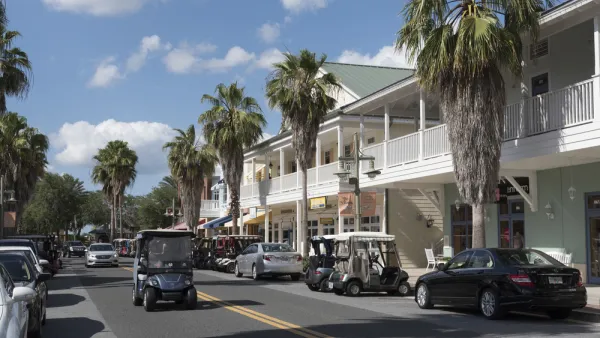
What Central Florida's Population Growth Reveals About U.S. Real Estate Trends
Big trends—a geographic shift back to the suburban and exurban areas and a "silver tsunami"—are apparent in population figures for two Florida locations.
2019 'Parking Madness' Shows How Much Has Changed
Streetsblog USA's annual showcase of the worst examples of car-oriented land use this year focused on places that had overcome the worst excesses of 20th century planning.

New 20-Year Comprehensive Plan, and More, Approved for Denver
Two big pieces of the Denveright planning process, the Comprehensive Plan 2040 and Blueprint Denver, won approval from the Denver City Council earlier this week.
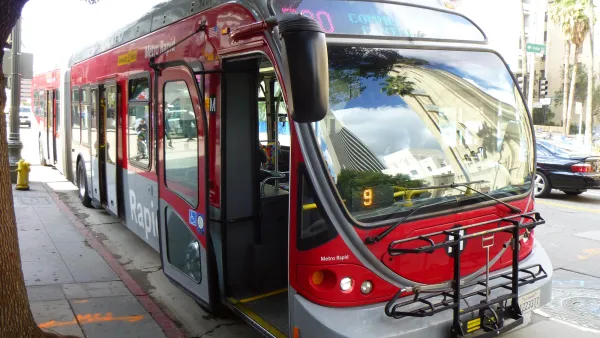
Transit Projects Would Provide Local and Regional Connectivity for L.A. Suburb
Two projects on the table in Glendale, California, a BRT line and a streetcar, would increase mobility options in the city.

FREE Course: Walkable City 1: Why Walkability?
After describing his path towards focusing on walkability as the essence of good planning, Jeff Speck marches through his five principal reasons for making more walkable places.
Reinventing Malls: Planning Alchemy—Turning Gray Fields Into Gold
The course focuses on the opportunities and imperatives that shape reinvention of mall sites.

City of Rosemead
Rutgers University, Edward J. Bloustein School of Planning and Public Policy
One Hundred Miles
University of Michigan School for Environment and Sustainability (SEAS)
Hunter College, City University of New York (CUNY)
The Architects Foundation
City of Cambridge
Montrose County
The Pocatello Development Authority









