D.C. Metro has a plan to reduce carbon emissions and energy consumption by building to LEED green building standards and buying electric buses.


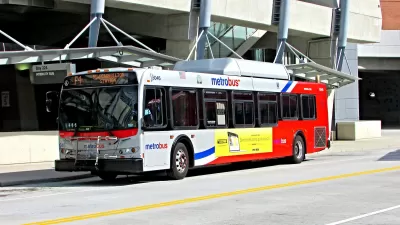
"The Washington Metropolitan Area Transit Authority (WMATA) introduced its first Energy Action Plan to reduce energy use, greenhouse gas emissions and long-term operating costs," reports Katie Pyzyk.
The energy action plan calls for electric buses and new LEED-certified facilities, requiring a five-year investment of $65 million. The agency plans to redesign its Potomac Yard Metrorail station in Alexandria, Virginia to be the first-ever LEED-certified transit station. That station is proximate to the future location of Amazon's second headquarters.
The WMATA is pitching the Energy Action Plan as an investment that will pay long-term dividends in cost savings--$16 million in energy costs savings each year, "and another $13 million in savings on operations and maintenance by 2025," according to Pyzyk.
FULL STORY: DC's transit agency announces Energy Action Plan

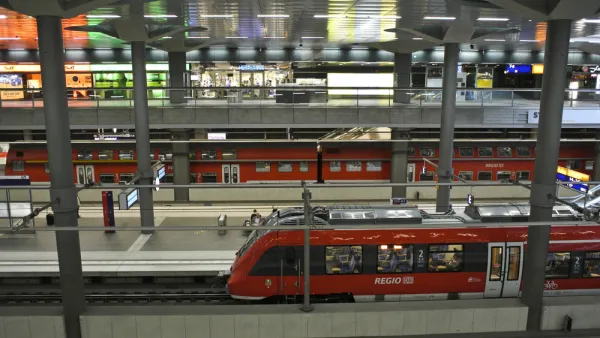
How Global Cities Are Working to Electrify Transit
With the transportation sector accounting for a third of urban carbon emissions, cities around the world are seeking new ways to electrify their transit fleets and reduce fossil fuel consumption.
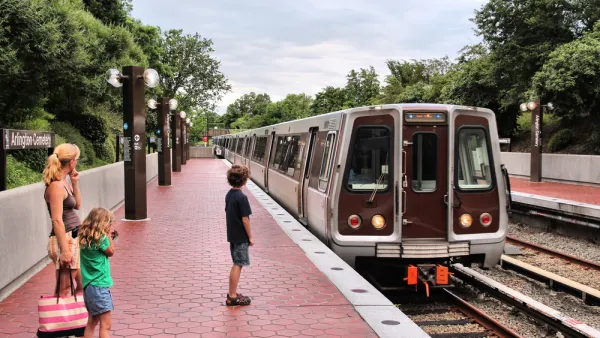
D.C. Metro Blue Line to Close for 3+ Plus Months, Starting Saturday
Platform improvements will close down another rail transit route in the D.C. region for three whole months.
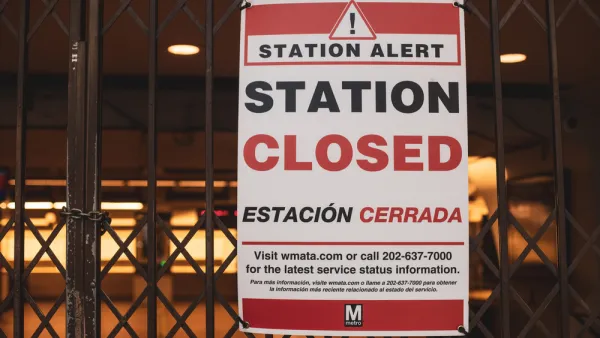
WMATA Approved Buyouts and Service Reductions
The Washington Metropolitan Area Transit Authority couldn't wait for a still hypothetical bailout from Congress or the Biden administration.

Planetizen Federal Action Tracker
A weekly monitor of how Trump’s orders and actions are impacting planners and planning in America.

The state-sanctioned urbicide of Austin
People don’t kill cities. Freeways do.

US to reduce Colorado River water deliveries to Mexico
A new Colorado Treaty amendment reduces Mexico’s Colorado River water allocation by 250,000 acre feet.

Baltimore to break ground on $50 million Transit Priority Project
The project will bring faster bus trips, safer streets and better bike connections to Baltimore.

Airbnb launches $250 million 'last-dollar financing' housing accelerator, makes first investment in Austin
The company will put $6.4 million towards affordable housing development in Texas’ capital.

Guerilla urbanists are building DIY bus stop benches in Chicago
A before-and-after of one of the bus stops with a new bench. The new benches are not officially sanctioned or permitted, but the residents who placed them hope they will be the start of a network of DIY benches across the city.

FREE Course: Walkable City 1: Why Walkability?
After describing his path towards focusing on walkability as the essence of good planning, Jeff Speck marches through his five principal reasons for making more walkable places.
Reinventing Malls: Planning Alchemy—Turning Gray Fields Into Gold
The course focuses on the opportunities and imperatives that shape reinvention of mall sites.


Eagle County Government
Harvard University Graduate School of Design
Nashville Planning Department
The Architects Foundation
University of Cincinnati Online
The Pocatello Development Authority
The Urban Renewal Agency of the City of Pocatello
Journal of the American Planning Association