Urban Development
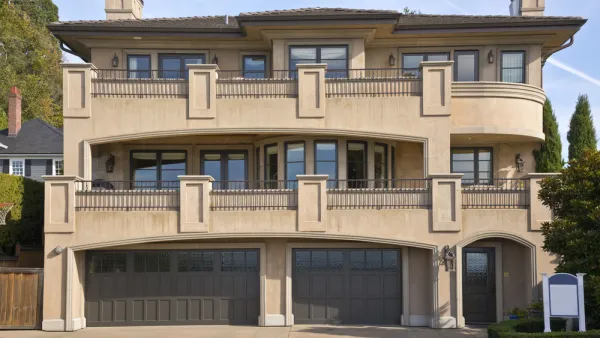
Accessory Dwelling Units as Mansionization Control
One benefit of more accessory dwelling units (ADUs) could be less mansionization of oversized single-family homes.

Smart Cities Should Also Be Inclusive and Accessible Cities
The Inclusive Innovation Playbook provides guidance about how to create smart cities without leaving anyone behind.

Trade Group Established to Lobby for Opportunity Zone Policy
There is now an organization calling itself a "Chamber of Commerce" for opportunity zones.

Coming Soon: A 3D-Printed Neighborhood
The march of progress continues.
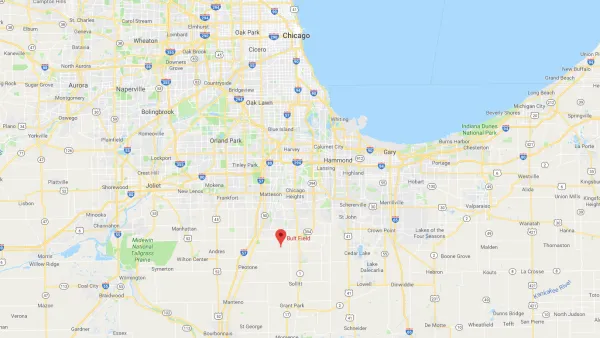
New Airport Proposed for Chicago Suburbs Has Supporters and Doubters
Questions raised by a proposal to build a new airport 37 miles south of Downtown Chicago: Does the region even need a new airport? And would this particular airport proposal serve to induce more sprawl in the region?

Parking Requirements Could Come to an End in Edmonton, Alberta
The latest North American city to take up the cause of Donald Shoup and "The High Cost of Free Parking" is located in Canada.

2019 Certification for Cities Harnessing Data to Govern
The What Works Cities Certification recognizes cities across the country using data to inform local governance.
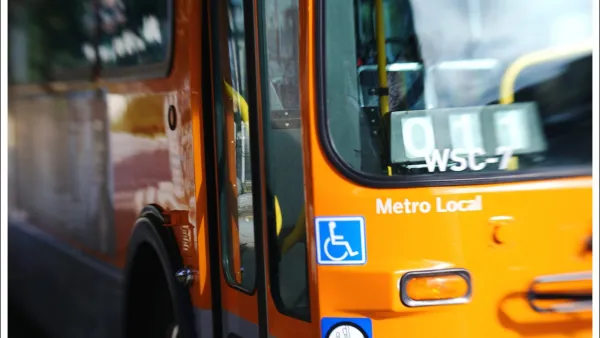
Many Lives, One Space on an L.A. Bus
A reporter rides the bus in Los Angeles and discovers the interesting, complicated, and sometimes heartbreaking stories that riders bring on board.

Leonardo da Vinci and Urbanism
Leonardo Da Vinci gets credit for many inventions and creative breakthroughs, but his contributions to the theory of city making gets less credit.
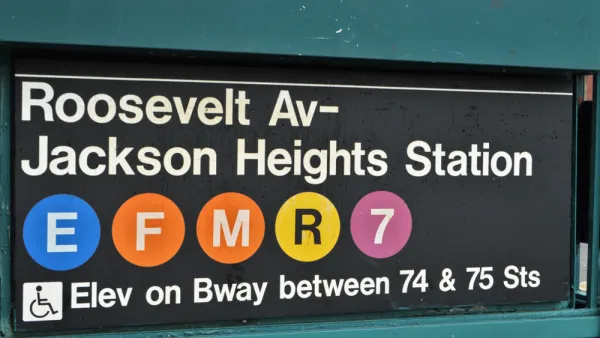
Community Planning Gives Voices to the Voiceless
People who can't vote can still have a say in the processes by which their neighborhoods are planned and developed. An example from New York City illustrates the point.
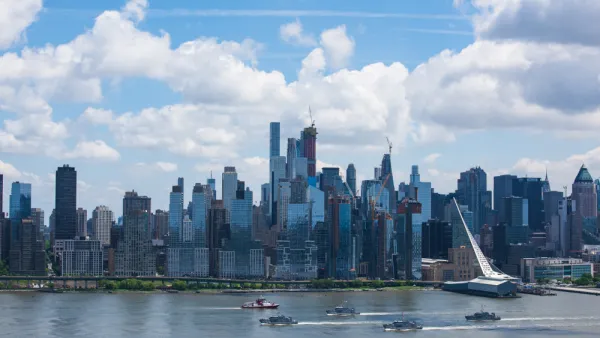
Hudson Yards as a Cautionary Tale
As the city of Philadelphia considers the prospect of building a massive private development called Schuylkill Yards, lessons from New York City's Hudson Yards are considered.
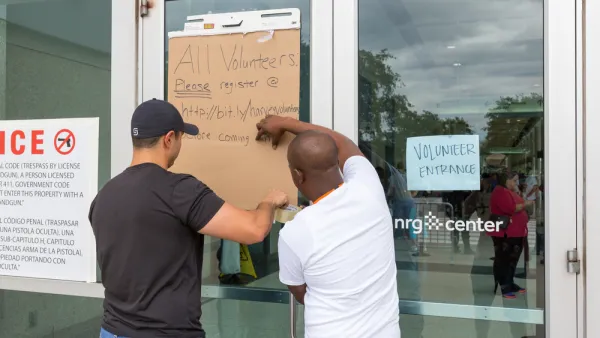
New Resilience Center to Replace 100 Resilient Cities
The new Adrienne Arsht-Rockefeller Foundation Resilience Center will build on the earlier work of the 100 Resilient Cities program.
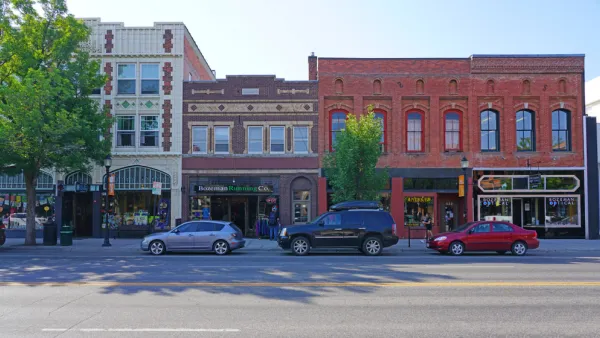
Small Towns Prioritize Main Street for Economic and Population Growth
Downtown revitalization can be a small town planning priority too.

The Practical Confessions of an Urbanist Pilgrim
After 12 days of walking the Portuguese Camino, the importance of many urban planning and development debates—from balanced growth to banning cars—became abundantly clear.

Op-Ed Exposes The Land Use Connections to Congestion in North Texas
The rapid economic growth of North Texas might not translate to economic mobility for many residents if the region can't better connect land use and transportation planning, according to this opinion piece.
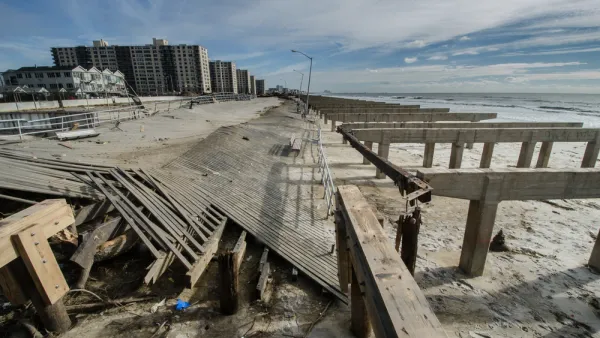
Zoning Reform for Coastal Resilience in New York City
The New York City Department of City Planning has released a large set of recommendations for zoning changes designed to help the city's many coastal areas weather the inevitable extreme weather events of climate change and sea level rise.

Predictions That Phoenix and Tucson Will Merge Revisited
Before the recession, bumper Arizona home sales led to predictions that the state's two largest cities might merge by 2040. The downturn stalled those forecasts, but now they're being revisited.
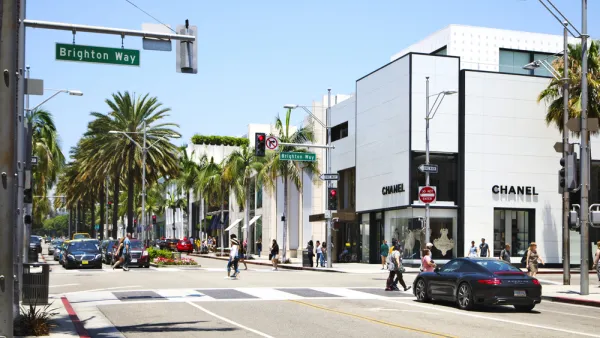
Toward a More Useful, and Accurate, Definition of Gentrification
Recent studies have called into question the predominant narratives on gentrification. A more precise definition of the term as it works in the United States is required.
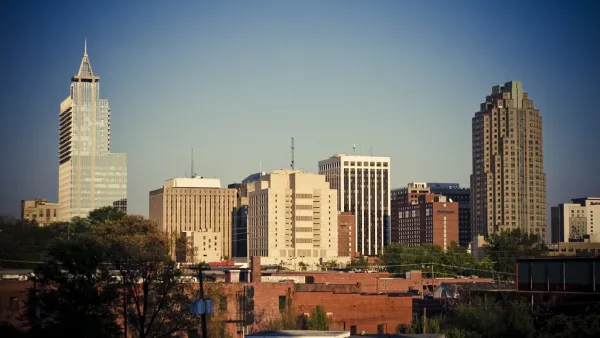
Whites Moving Into Black Neighborhoods Tip the Scales in Problematic Ways
Black neighborhoods near city centers are diversifying as whites move in and buy up properties. But the influx of these higher-income residents is leading to more divisions than inclusivity.

Twin Cities ADU Construction Slow, but Expected
Easing ADU regulations has led to some new construction in the Twin Cities, but the additional units have made a small dent in the area’s affordable housing problem.

FREE Course: Walkable City 1: Why Walkability?
After describing his path towards focusing on walkability as the essence of good planning, Jeff Speck marches through his five principal reasons for making more walkable places.
Reinventing Malls: Planning Alchemy—Turning Gray Fields Into Gold
The course focuses on the opportunities and imperatives that shape reinvention of mall sites.

City of Rosemead
Rutgers University, Edward J. Bloustein School of Planning and Public Policy
One Hundred Miles
University of Michigan School for Environment and Sustainability (SEAS)
Hunter College, City University of New York (CUNY)
The Architects Foundation
City of Cambridge
Montrose County
The Pocatello Development Authority









