Urban Development

The Dots of Connectivity and Broken Cultural Links
Connectivity is not just a question of geometry, according to this article by Fanis Grammenos. It's critical to consider what people connect for and how.
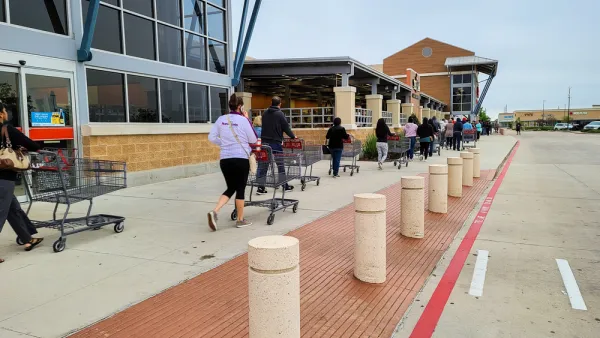
How Coronavirus Will Change Cities, From Public to Private Lives
Changes are coming, but they don't have to be anti-urban, and they could mean a more resilient world for cities and communities of all shapes and sizes.
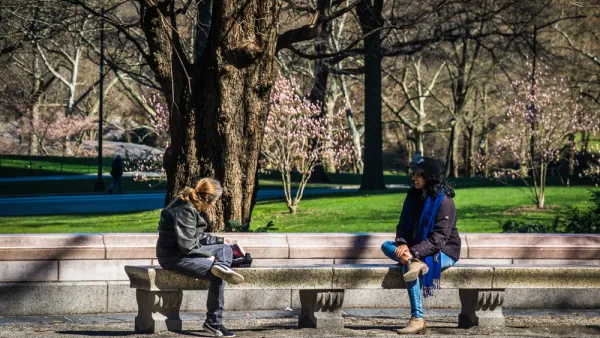
How Cities and Communities Can Rebound From the Pandemic
An interview with Michael Berkowitz, former executive director of 100 Resilient Cities, finds a path to the light at the end of the tunnel.

The Pandemic Offers a Chance to Rethink the Mobility Priorities of Cities
Cities have an opportunity to make bold changes that would give pedestrians and cyclists the space on streets that they deserve.
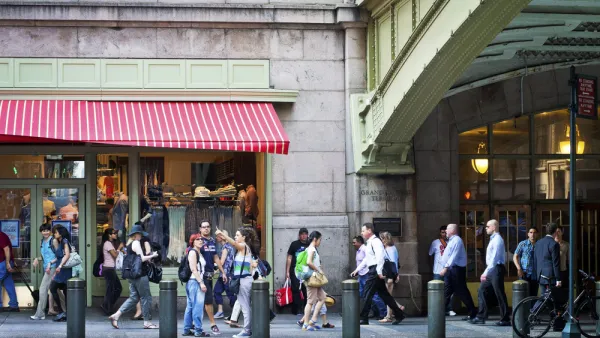
N.Y.C. Density and Spread of Coronavirus
The densest city in the country is struggling with the rapid spread of the virus, and close proximity is likely a primary factor.
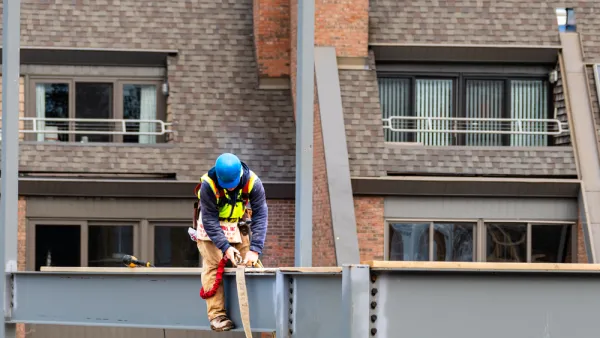
New York State, Pennsylvania Halt Construction
The economic fallout of the coronavirus pandemic deepened with the news that construction would be halted on all "non-essential" construction in the state of New York and in Pennsylvania.
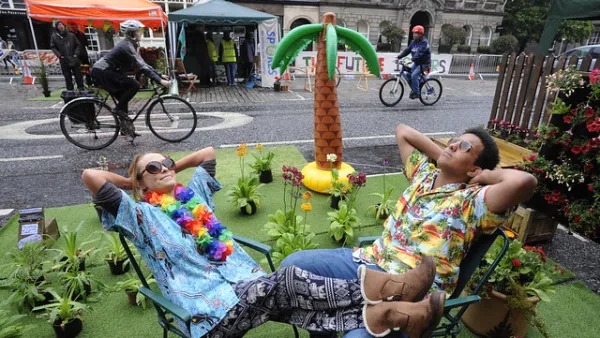
Keys to Safely Reopening Cities After the Pandemic
Cities have survived terrible infectious diseases before, because the power of concentrated human and economic activity is just so strong. When it’s time to reopen U.S. cities, a few key actions will ensure the future safety and health of all.
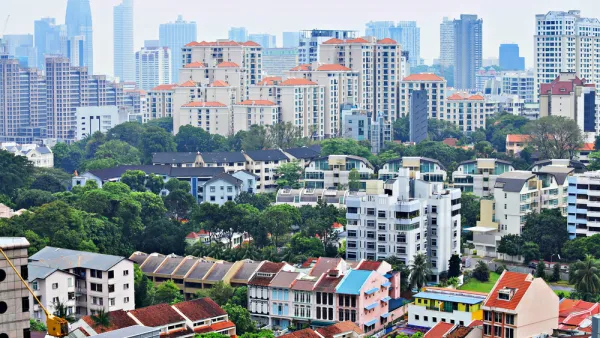
Remembering the Health Benefits of Urban Density
According to this article, it would be a shame if the coronavirus inspires new levels of skepticism about density and city living.
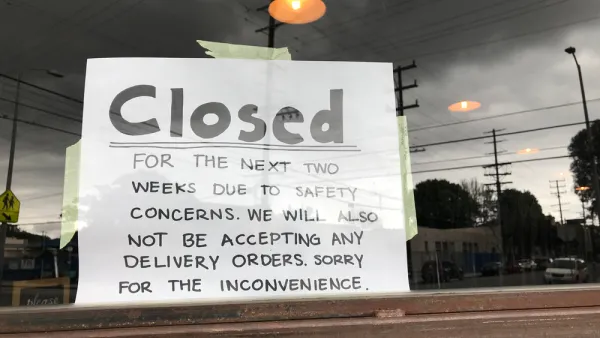
More Details for Planners on the Federal Stimulus Package
As the U.S. House of representatives approved the passive stimulus package approved by the U.S. Senate earlier in the week, more details emerged about the parts of the bill that will be relevant to planners during the coming weeks and months.

Predicting Hospital Capacity as the Coronavirus Spreads
An analysis of data about hospital capacity and possible infection trends shows that hospital facilities will be stretched thin even in the best-case scenario.

Planners and Pandemics: Identifying Problems and Providing Solutions
Planners are professional problem solvers. Let’s see how our methods can be applied to the COVID-19 pandemic.
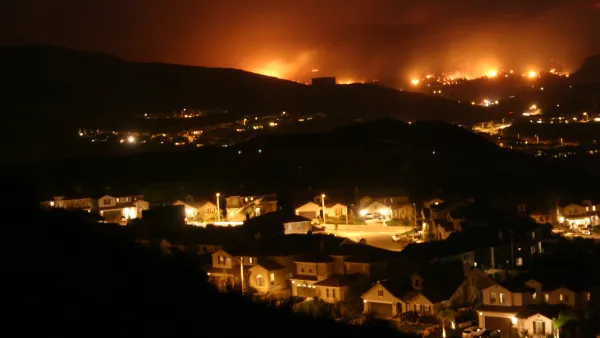
The Dual Threat of Wildfires and Coronavirus in California
As drought conditions continue, the state is preparing for the possibility that the two dangerous public health and safety threats will overlap.
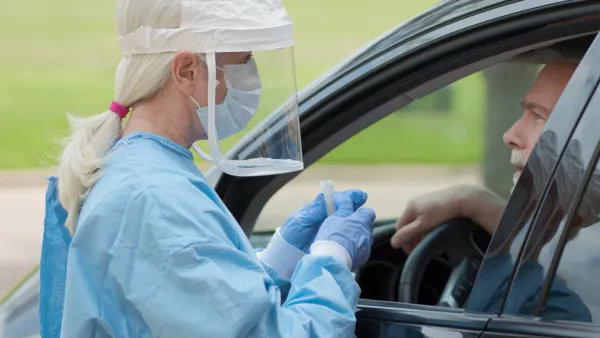
Connecticut Town Rejects Drive-Through COVID-19 Testing Facility
The annals of local control, or, as some would say, NIMBYism, have a new chapter.
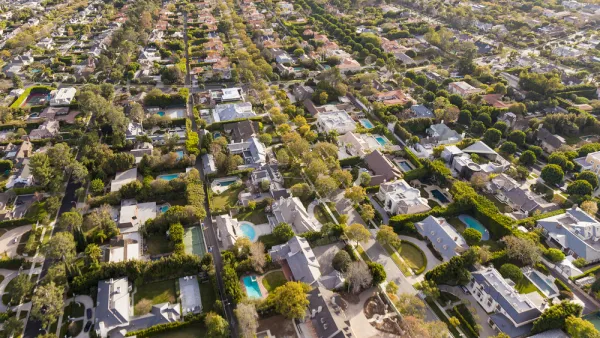
L.A.'s Crackdown on McMansions Hasn't Stopped Them from Going Up
Legislation to stop construction of McMansions is being undermined by a zoning loophole.
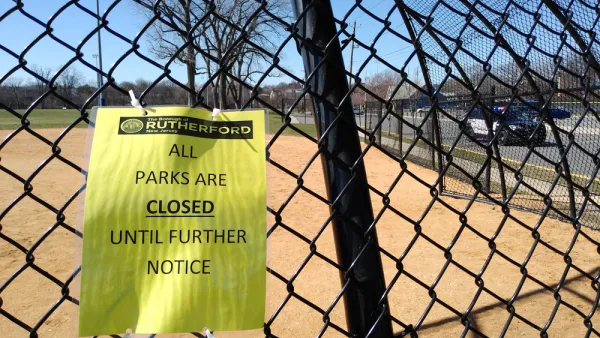
Frontlines of the Social Distancing Effort Shifts to Parks and Open Space
Too many people have been seeking normalcy on parks and on trails. This isn’t a normal time.

Shelter in Place: Working in a Time of Isolation
Need some work-at-home tips from a veteran? Hazel Borys has eight to consider.
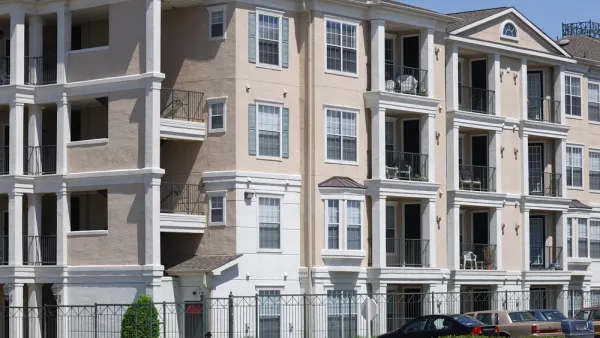
Building Better Multi-Family Housing for Less
New research examines ways multifamily housing costs can be reduced through design and construction decisions.

How Downtown L.A.'s First 'Re:Code' Community Plan Embraces Density and Affordability
Vince Bertoni addresses his city’s efforts to incentivize affordable housing and noted the responsibility shared at the state, regional, and local level for policy & regulatory change to incent provision of affordable housing.
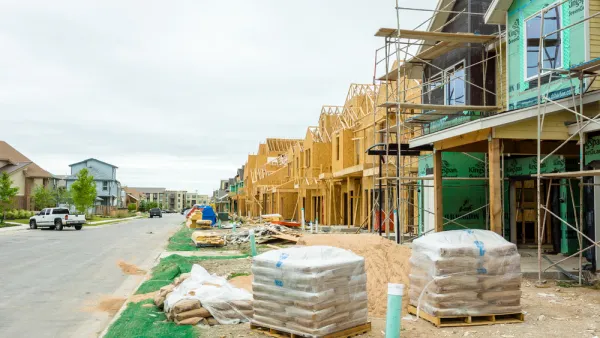
Analyzing the U.S. Housing Market in the Early Days of COVID-19
The lessons of the 2008 housing market crash don't necessarily apply to the current situation.
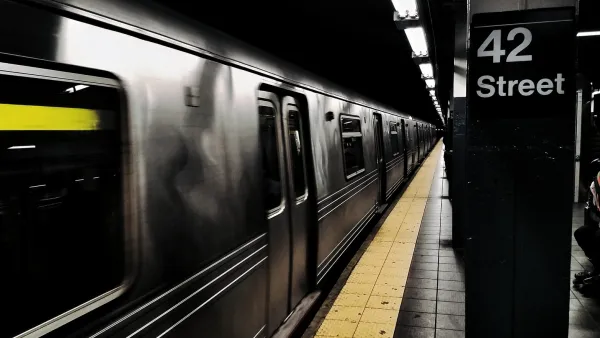
New York MTA Seeks Federal Funding Relief as Ridership Plummets
The Metropolitan Transportation Authority has seen significant ridership drops due to the coronavirus. The agency is asking Congress for $4 billion to help it through the crisis.

FREE Course: Walkable City 1: Why Walkability?
After describing his path towards focusing on walkability as the essence of good planning, Jeff Speck marches through his five principal reasons for making more walkable places.
Reinventing Malls: Planning Alchemy—Turning Gray Fields Into Gold
The course focuses on the opportunities and imperatives that shape reinvention of mall sites.

Eagle County Government
Harvard University Graduate School of Design
Nashville Planning Department
The Architects Foundation
University of Cincinnati Online
The Pocatello Development Authority
The Urban Renewal Agency of the City of Pocatello
Journal of the American Planning Association