Technology
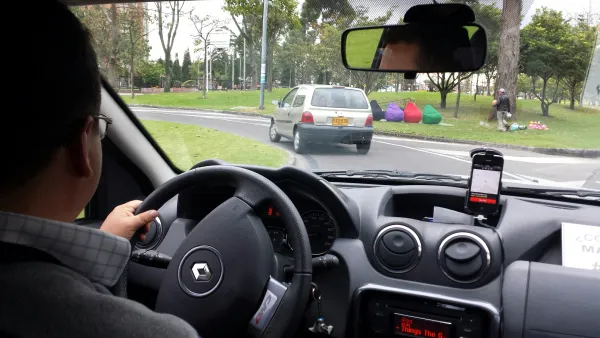
Boston-Uber Data Partnership Falling Short of Expectations
A data-sharing partnership announced in January 2015 has so far produced underwhelming results.
7 'Smart Cities Challenge' Proposals
The Washington Post details each of the seven proposals competing for $40 million in the U.S. Department of Transportation's Smart Cities Challenge.
Did Amazon Really Just Create a Pop-up Homeless Shelter?
As cities around the U.S. scramble to figure out how to address the housing affordability crisis, one of them has now leaned on the benevolence of what some consider the least benevolent of them all.
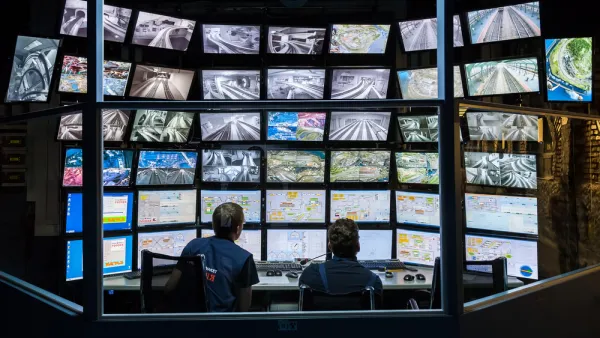
Planning After Big Data and the Internet of Things
The exact moment when new digital and Internet technologies fundamentally changed the practice of planning is debatable, but that the profession has been irrevocably altered is not debatable.
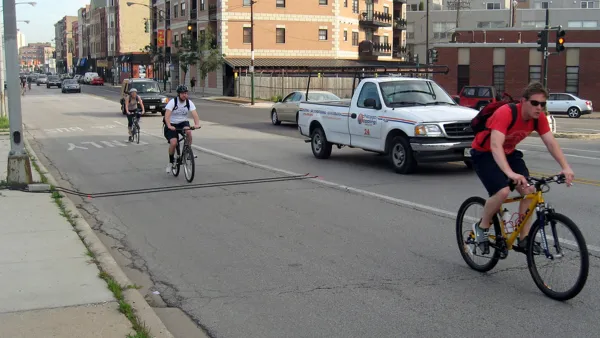
Bike Advocates Hone Data Tools
NextCity surveys a variety of new data-collecting technologies meant to clarify the impacts of bike and pedestrian infrastructure projects.
Mapping Tool Enables Housing Action in Detroit and Beyond
A web tool that helped Detroit develop a housing plan may ultimately provide public data on every parcel in the country.
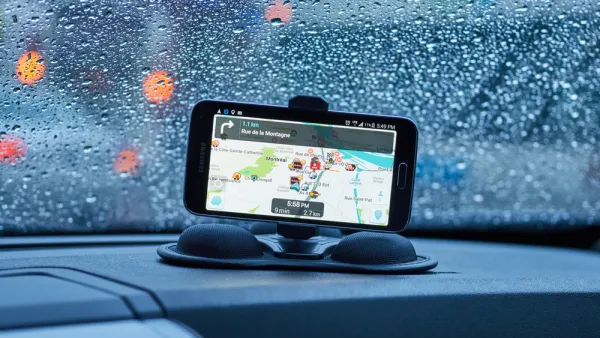
Waze vs. Residential Neighborhoods
Accounts of disgruntled residents responding by any means necessary to the flood of cars beckoned by the whims of navigation apps like Waze are spreading across the country.
Yelp for Transit? San Francisco Will Give it a Shot
The San Francisco Municipal Transportation Agency will invite ratings from transit users via the existing MuniMobile app. That's brave.
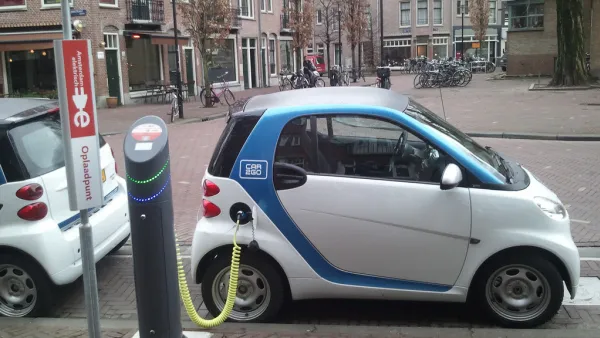
Electric Cars Hit the Million Mark
The worldwide stock of electric cars hit an impressive, if still superficial, milestone in 2015: one million electric cars currently on the road around the world.
Drivers Not Ready to Give Full Control to Autonomous Cars
Consumers are interested in advanced safety technologies that assist the driver in reacting to potential collisions, but only 40% of drivers in the 25 to 34 year old age bracket are interested in full autonomy, a study by MIT's AgeLab found.
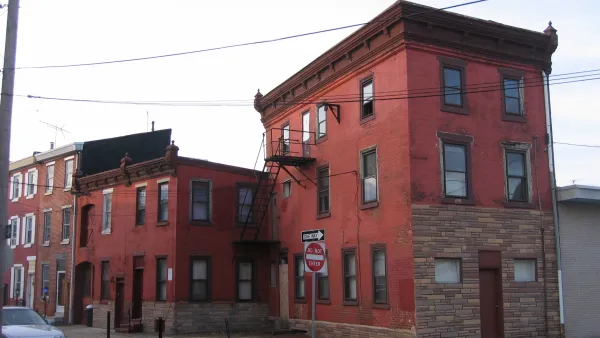
Real-Estate Site Locates Redevelopment Potential Across Philadelphia
A new map-based web tool created by a former city employee calculates the redevelopment potential of every parcel in Philadelphia.

Planetizen Week in Review: June 3, 2016
Planetizen Managing Editor James Brasuell shares some of the biggest news and announcements from the week in planning, land use, and related topics. All in two minutes and 30 seconds.
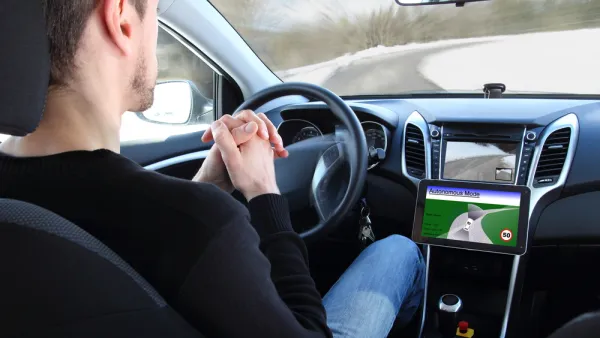
Michigan Bill Would Be First to Allow Cars to Drive Without Humans
A state legislation package is aiming to clear hurdles obstructing the development of autonomous vehicles.
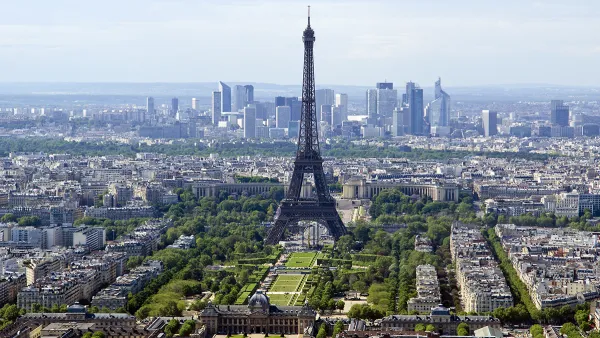
Paris to Begin Serious Car Restrictions on July 1
The carefree days of driving any-old-junker-they-please are over for Parisians, and they'll be even further obsolete when the calendar changes from June to July.
How (and Why) to Start a Local Data Intermediary
A new guide helps communities set up groups that can help analyze their neighborhood data and put it to good use.
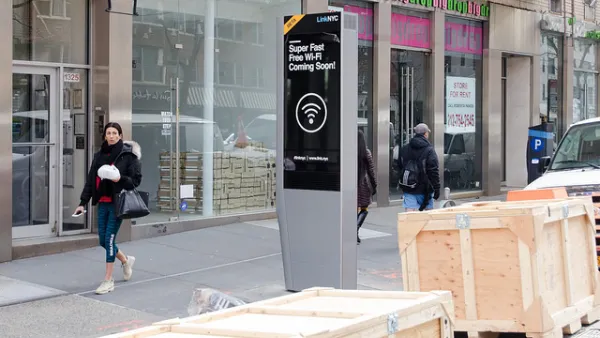
Sidewalk Labs and Transportation For America to Develop Connected Streets
Sidewalk Labs has teamed up with Transportation for America in the hopes of better connecting transportation technology with desired transportation outcomes.
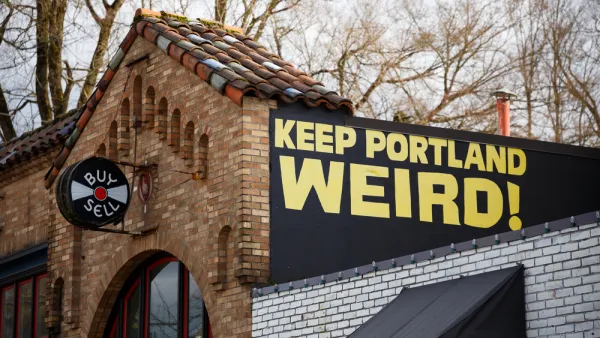
Is Portland the Next San Francisco?
Now that tech companies have "discovered" Portland, Oregon, longtime residents question whether the progressive city has done enough to protect them from displacement. Sound familiar?
Who is NYCxDESIGN?
NYCxDESIGN, New York City’s annual celebration of design, recently wrapped up its fourth season. To learn more about who makes up the design community, photographer Charles Aydlett asked attendees how they would like to see design evolve in the city.
U.S. Representative Earl Blumenauer Writes in Favor of Self-Driving Cars
Rep. Earl Blumenauer (D-Ore.), a famous advocate for alternative transportation, has thrown his support behind the epoch-changing potential of self-driving cars.
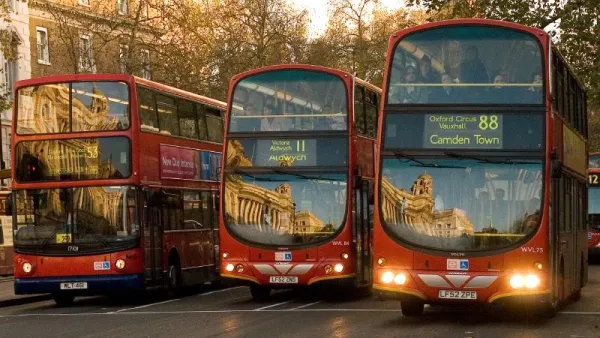
What If Buses Could Pass Over Cars?
The latest from China: a concept for street-straddling buses that cars could pass underneath. The giant vehicles could improve worsening traffic and already-dire pollution levels, taking the place of many conventional buses.

FREE Course: Walkable City 1: Why Walkability?
After describing his path towards focusing on walkability as the essence of good planning, Jeff Speck marches through his five principal reasons for making more walkable places.
Reinventing Malls: Planning Alchemy—Turning Gray Fields Into Gold
The course focuses on the opportunities and imperatives that shape reinvention of mall sites.

City of Rosemead
Rutgers University, Edward J. Bloustein School of Planning and Public Policy
One Hundred Miles
University of Michigan School for Environment and Sustainability (SEAS)
Hunter College, City University of New York (CUNY)
The Architects Foundation
City of Cambridge
Montrose County
The Pocatello Development Authority









