Technology

Why NFTs Matter to Urban Planning
With non-fungible tokens (NFTs) reshaping the art and collectibles world, city and regional planners can learn valuable lessons about ways to improve the management, organization, and sharing of information about the built environment.
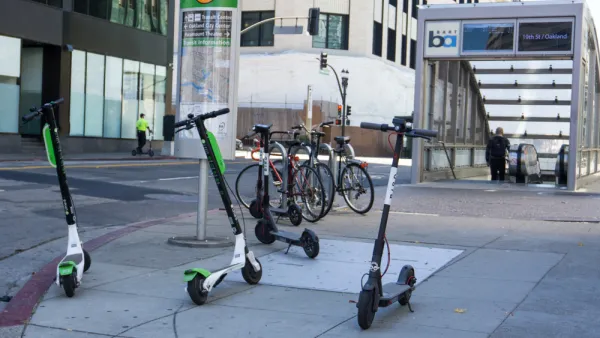
How E-Scooters Can Complement Public Transit
With some strategic planning on the part of transit agencies and operators, shared e-scooters can be an important ally in the fight against car dependence.
Keeping an Eye on Landlord Tech
The landlord tech industry, while alive and well prior to COVID-19, has ramped up in the past year to develop new ways to accumulate wealth at the expense of tenants.

Tech and the Post-Pandemic City
To steer American cities into the future, public and private sectors—and citizens—must work together to build broad, lasting support around complicated issues such as transparency and data privacy.

Manhattan's Economy Depended on Office Workers. Now What?
With 90 percent of its usual commuters still working from home and a full return to the office highly unlikely, what will become of New York City's towering office buildings?
New NYC Affordable Housing Must Come With Internet Service, City Says
Any new affordable housing projects in NYC that receive city money must wire the building for high-speed internet and provide broadband at no cost to the tenants, new city rules say.

Offshore Wind Zone Proposed for the East Coast
A "priority offshore wind zone" between Long Island and New Jersey could accelerate permits and help the industry gain a foothold in the United States.

3D-Printed Neighborhood Coming to the California Desert
The developer of the 15-home community claims they will produce homes with a tenth of the waste of traditional construction in record time.
Miami Mayor Wants Federal Funding for Boring Company Tunnel
Mayor Francis Suarez thinks the tunnel could alleviate congestion, but critics argue the city's rising water table makes tunneling too expensive and impractical.

The Post-Pandemic Future of Rideshare
With pooled services suspended through the pandemic and research showing most users prefer private rides, will shared rides continue to play a role in urban transportation?
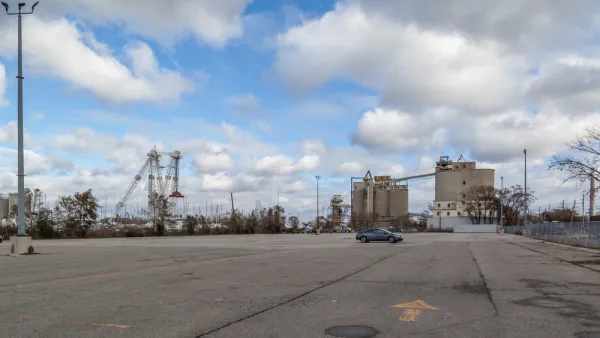
After Sidewalk Labs, a New Plan Emerges for Toronto's Waterfront
Just shy of a year after Sidewalk Labs pulled the plug on its "smart city" experiment for Quayside, Waterfront Toronto has a released a request for qualifications to move forward with a new, "people-centered" vision for the waterfront.

California City the First to Ban New Gas Stations
With the state mandating a switch to electric vehicles by 2035, Petaluma is aligning its land use regulations with its climate goals.
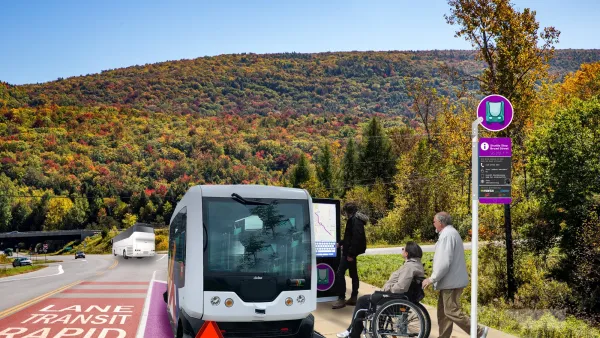
Adapting Policy to Advancements in Autonomous Vehicle Technology
The public and private sector need to partner to facilitate adoption of policy frameworks to realize the AV promise nationally.

Google Maps Now Lets You Feed Your Parking Meter
Google's newest partnership offers contactless parking meter payments and transit fare purchases.
Planning via Zoom: Legal Scrutiny for Pandemic Realities in New York City
The question of whether a public review process conducted by Zoom is sufficient to approve a sweeping rezoning plan is a matter of no small legal concern in New York City.
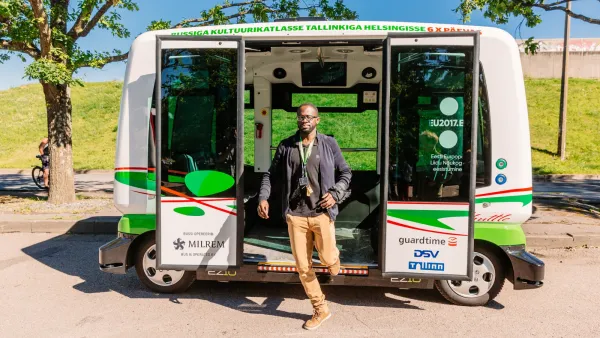
Still No Flying Cars: The Underwhelming Progress of Autonomous Vehicles
While we're still far from a Jetsons-style reality, understated autonomous features could be the key to safer transportation.

How Cities Are Using Wastewater to Test for COVID-19
Some scientists and city officials are moving ahead with a different way to track the virus’s spread: wastewater testing.

Pop Quiz: What Kind of Post-2020 City-Maker Are You?
The State of Place blog is offering a pop quiz designed to help you diagnose the kind of post-2020 city-maker you are.
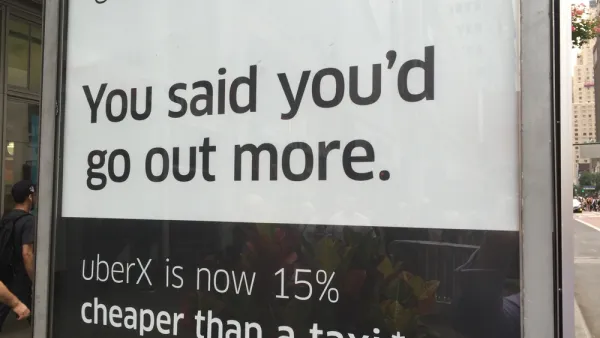
Report: Ride-Hailing Drastically Increases Vehicle Miles Traveled
New research published in Transport Policy finds that ride-hailing companies increase vehicle miles traveled of users by 97 percent in Chicago, 114 percent in New York City, and 118 percent in San Francisco.
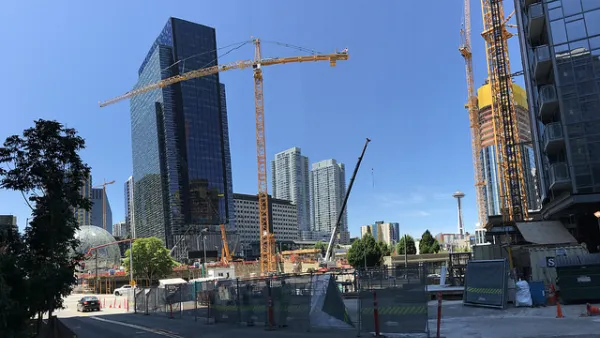
Amazon and Other Tech Giants Make Billion-Dollar Commitments to Affordable Housing
Some of the world's biggest companies are investing in affordable housing, hoping to stymie the growing crisis their growth has contributed to.

FREE Course: Walkable City 1: Why Walkability?
After describing his path towards focusing on walkability as the essence of good planning, Jeff Speck marches through his five principal reasons for making more walkable places.
Reinventing Malls: Planning Alchemy—Turning Gray Fields Into Gold
The course focuses on the opportunities and imperatives that shape reinvention of mall sites.

City of Rosemead
Rutgers University, Edward J. Bloustein School of Planning and Public Policy
One Hundred Miles
University of Michigan School for Environment and Sustainability (SEAS)
Hunter College, City University of New York (CUNY)
The Architects Foundation
City of Cambridge
Montrose County
The Pocatello Development Authority









