Vision Zero
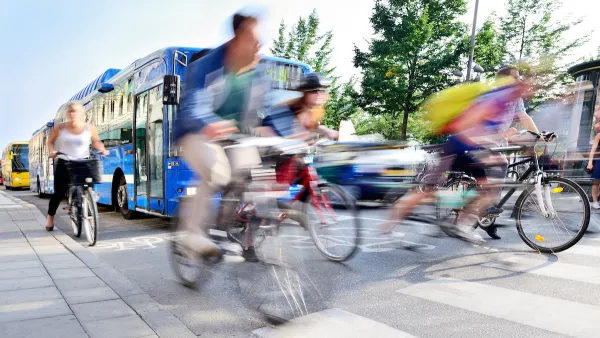
Streetsblog’s Best and Worst of 2023 Transportation
While American roads didn’t get much safer by the numbers, new policies indicate a shift toward a more sustainable transportation future.
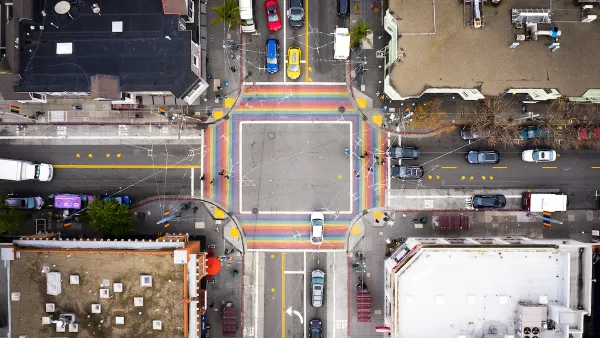
San Francisco Fails to Achieve Vision Zero Pledge
The city wanted to eliminate traffic deaths by 2024. It didn’t.
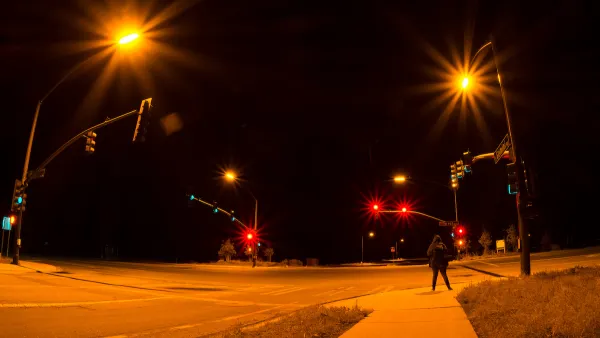
Three-Quarters of U.S. Pedestrian Deaths Happen at Night
Unlike in comparable countries, U.S. pedestrians are most likely to die in traffic crashes during nighttime hours.
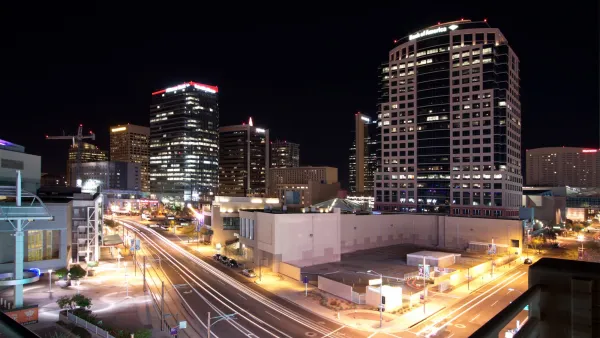
Phoenix Approves Speed Limit Reductions
The city lowered speed limits on 15 street segments to improve traffic safety and bring them in line with regulations.
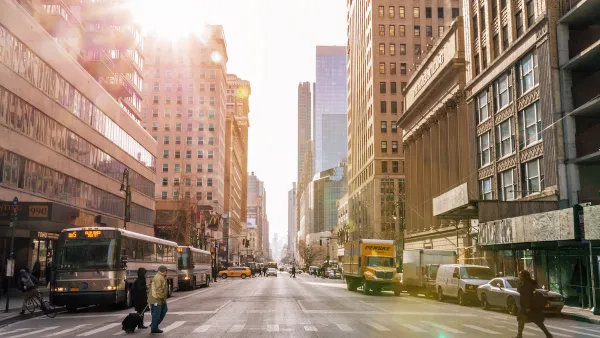
NYC Launches Daylighting Plan
The city will install visibility improvements at over 1,000 intersections to improve traffic safety.
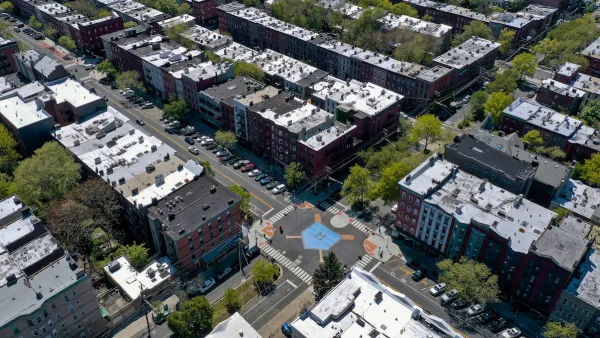
Vision Zero at Work: Hoboken Celebrates Seven Years of Zero Traffic Deaths
The New Jersey city implemented simple yet impactful changes to eliminate traffic fatalities.
Omaha Adopts Vision Zero Plan
The city aims to eliminate traffic fatalities by 2025.
USDOT Awards New Round of Safe Streets Grants
Over 200 cities and towns will receive $82 million for Complete Streets and other road safety planning and demonstration programs.
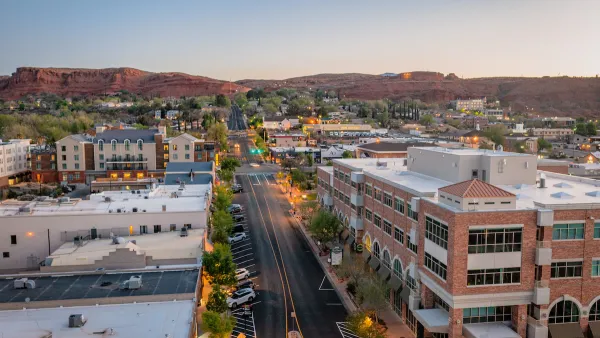
Growth in Small Utah Towns Prompts Road Safety Concerns
As small towns rapidly gain population, local infrastructure will have to adjust to keep up with more pedestrians and car traffic.
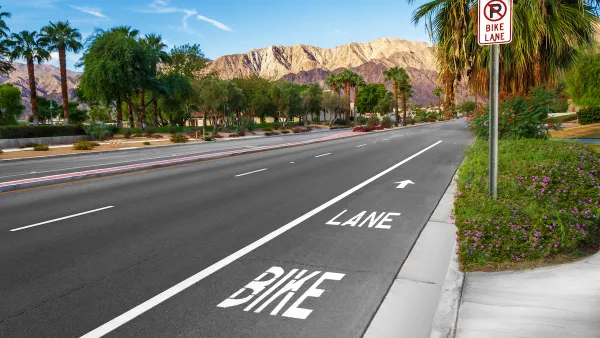
How Sun Belt Cities are Improving Road Safety
Often car-centric, these cities in the South and West are working to make their roads safer for pedestrians, cyclists, and transit riders.

Study: Road Design, Speed Key Factors in Pedestrian Deaths
A recent study emphasizes the importance of good road design and low speed limits in keeping pedestrians safe.
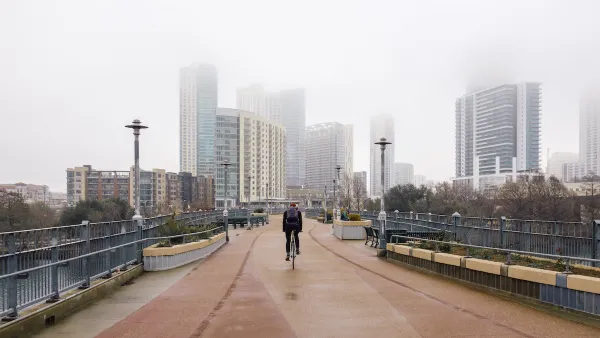
Texas Awards $345 Million for Bike and Pedestrian Projects
The investment is six times as much as the Texas Transportation Commission made available in the last call for projects.
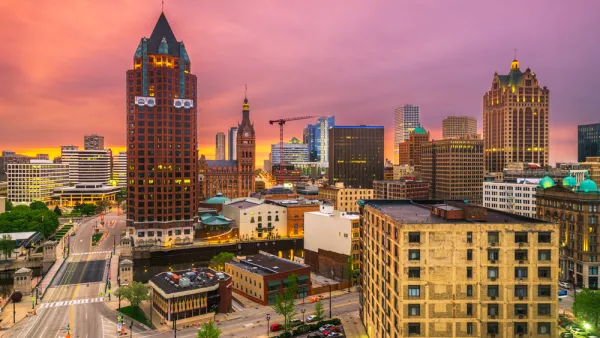
A Look at Milwaukee’s Vision Zero Efforts
The city is making slow but steady progress on reducing traffic deaths. Some advocates say changes aren’t being implemented fast enough to save lives.
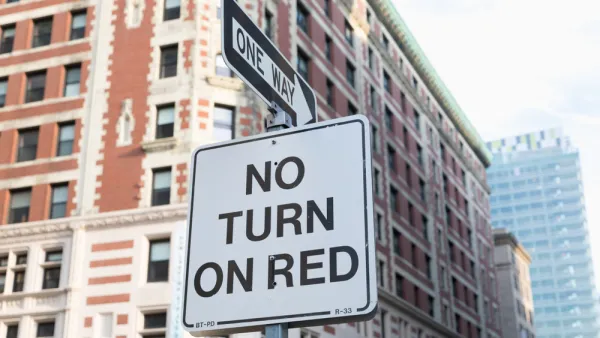
San Francisco Moves to Ban Right Turns on Red
The policy is common in many countries, New York City, and other dense urban areas with high numbers of pedestrians and cyclists.
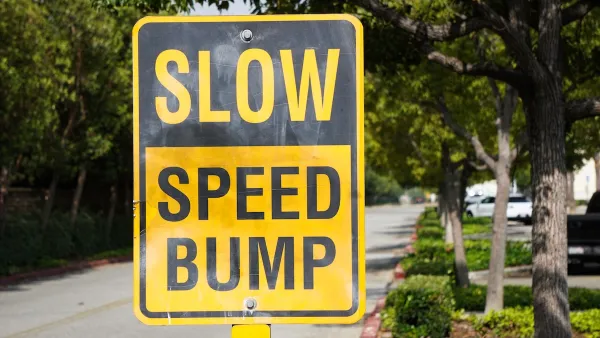
Philadelphia Continues Traffic Calming Program
The city is installing ‘vertical deflection devices’ such as speed tables on some of its most dangerous streets.
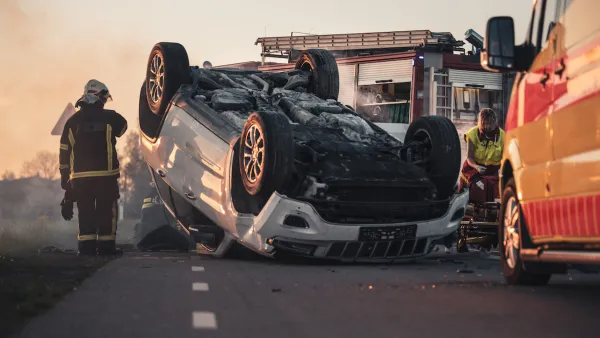
NHTSA: Traffic Fatalities Decline for Fifth Straight Quarter
Traffic deaths were 3.3 percent lower in the first half of 2023 than the same period last year, but not all states saw the same results.
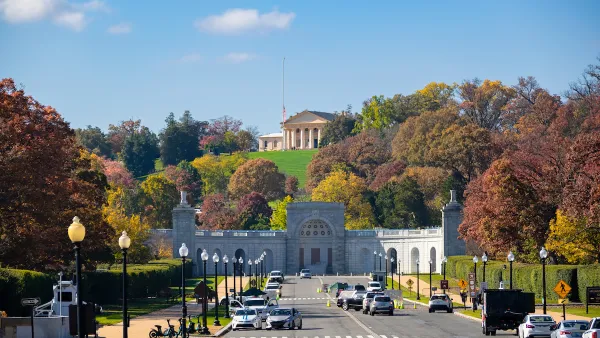
Arlington Updates Crosswalk Laws to Align With State Law, Vision Zero
The county will now require drivers to come to a full stop when encountering pedestrians in a crosswalk.
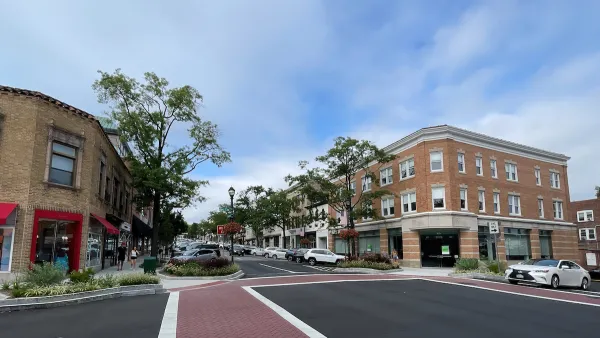
Connecticut Launches Complete Streets Standards
The new policy calls for sidewalks, bike lanes, and crosswalks on state roads and state-funded road projects.
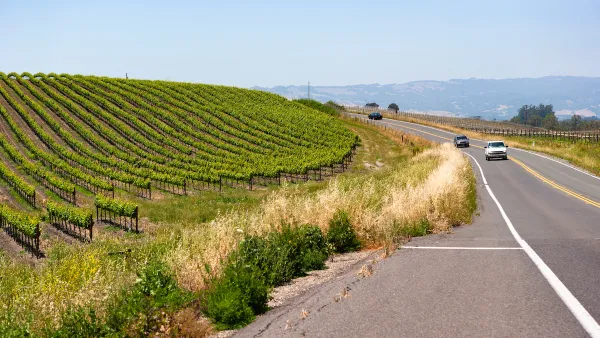
A Vision Zero Plan for Napa Valley
The regional transportation agency released a Vision Zero that will guide a ‘Safe Systems’ approach to improving road safety.
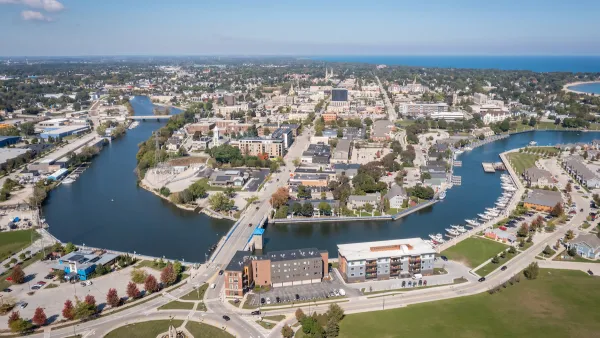
Sheboygan Developing Complete Streets Plan
Local efforts kickstarted by a federal grant are culminating in a Vision Zero plan.

FREE Course: Walkable City 1: Why Walkability?
After describing his path towards focusing on walkability as the essence of good planning, Jeff Speck marches through his five principal reasons for making more walkable places.
Reinventing Malls: Planning Alchemy—Turning Gray Fields Into Gold
The course focuses on the opportunities and imperatives that shape reinvention of mall sites.

City of Rosemead
Rutgers University, Edward J. Bloustein School of Planning and Public Policy
One Hundred Miles
Hunter College, City University of New York (CUNY)
The Architects Foundation
University of Cincinnati Online
City of Cambridge
Montrose County
The Pocatello Development Authority









