Urban Heat Island Effect
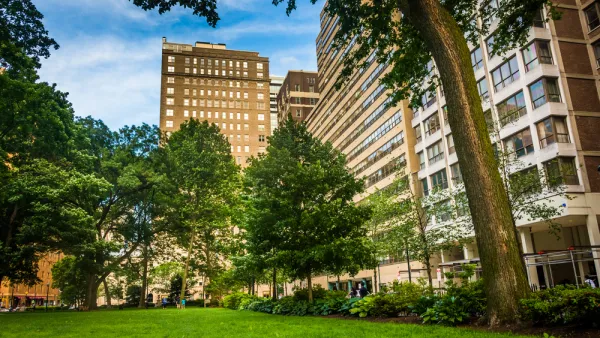
Parks as a Weapon Against Climate Change
The 2022 ParkScore finds that cities are increasingly employing green space as a tool for mitigating heat and extreme weather effects, but the distribution of parks remains inequitable.
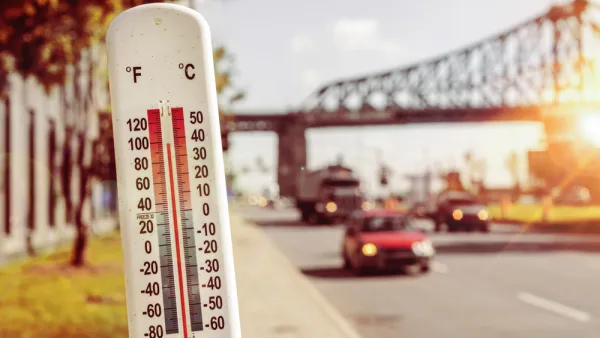
Extreme Heat as a Public Health Crisis
Cities can take action to improve conditions during extreme heat events and prevent heat-related deaths, many of which occur in low-income communities.
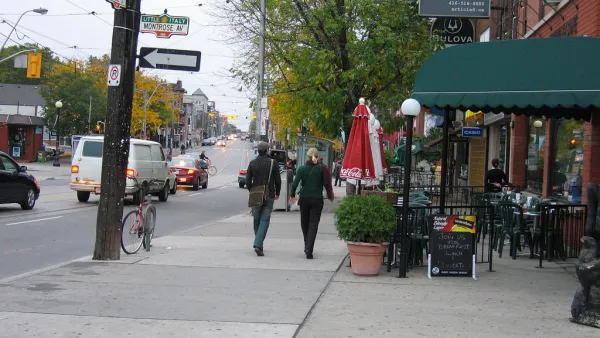
Student-Designed Cool Sidewalk Could Reduce 'Urban Heat Island' Effect
Researchers at the University of New Mexico created a sidewalk design using materials that would reduce heat absorption and require fewer materials than traditional concrete sidewalks.
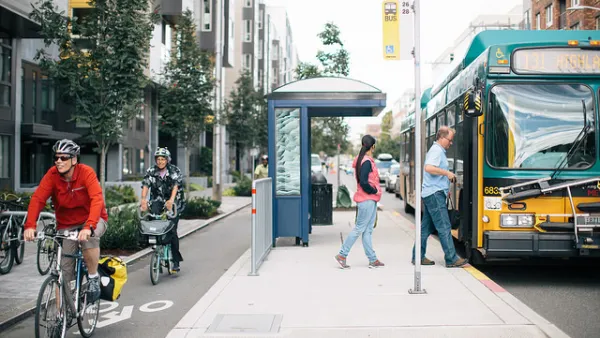
As Heat Waves Become More Common, Bus Shelters Are Needed to Keep Transit Riders Onboard
As climate change brings prolonged, intense heat waves to cities once associated with rain and cold weather will have to attend to the lack of shelter provided to bus and transit riders.
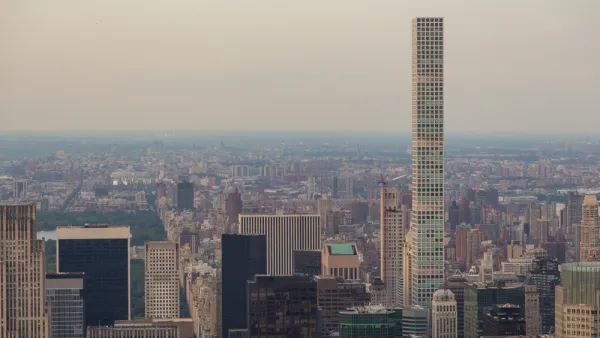
Report: Skyscrapers a Driving Factor of the Urban Heat Island Effect
As cities build upwards in an effort to create more housing and increase walkability, research shows that tall buildings intensify heat and contribute to increased carbon emissions.
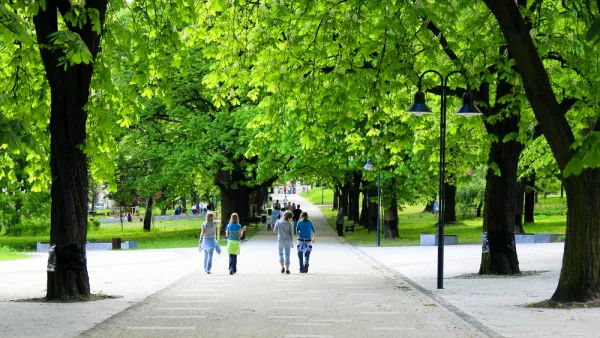
The Problem with Tree Planting Programs
Ambitious campaigns to plant trees in urban areas often don't take into account the complexities of growing and maintaining effective urban forests.
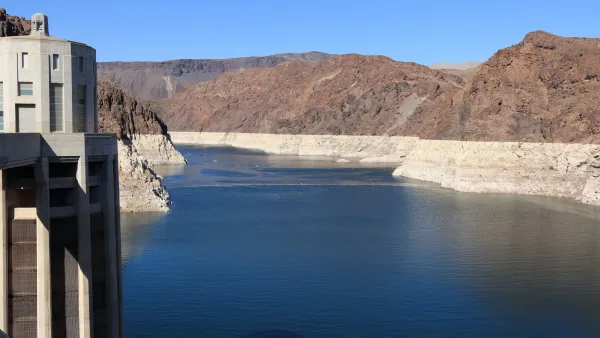
How Extreme Heat Threatens the Electrical Grid
Higher demand for electricity and lower capacity for production due to more intense heat waves are straining the power grid and causing concern for future energy production.
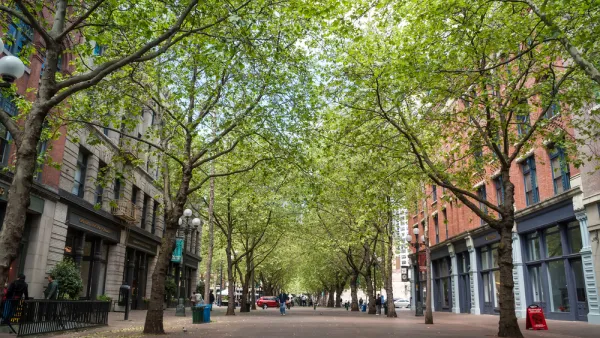
Tree Equity Score: The U.S. Needs 522 Million More Urban Trees
As climate change intensifies the urban heat island effect, poorer neighborhoods bear the brunt of tree canopy inequity.
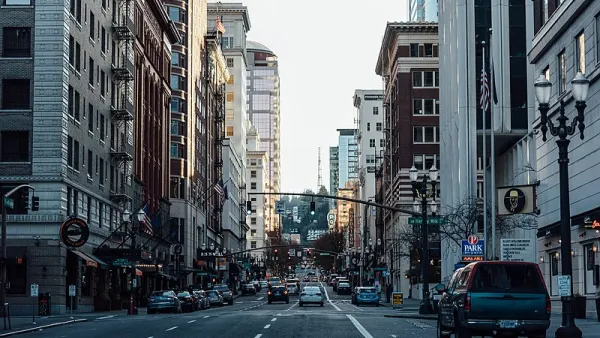
Redlined Neighborhoods Suffer More From Extreme Heat
The recent heat wave in the Pacific Northwest highlighted how historical inequities still affect the health and well-being of low-income and marginalized communities.
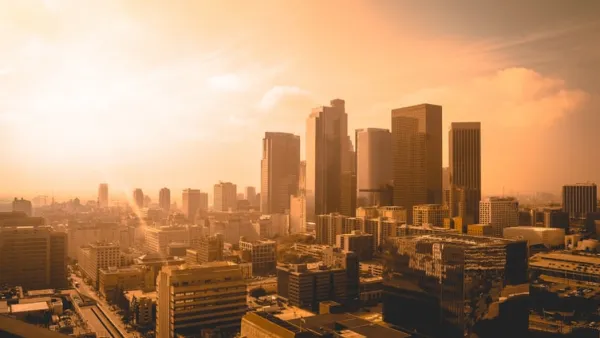
New Study Ranks the Urban Heat Island Effect in U.S. Cities
A new analysis by Climate Central evaluates the intensity of urban heat islands in cities around the United States—New Orleans tops the list.
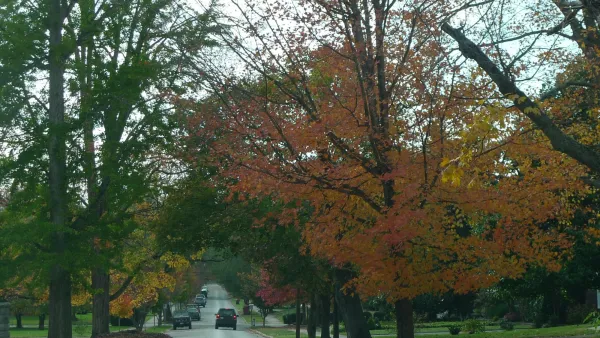
Research Shows Urban Trees Stave off Depression
A new study shows that regular exposure to trees and green spaces has a powerful impact on depression and mental health.

Where Los Angeles Most Needs Trees
Google has unveiled a new tool called Tree Canopy Lab in an effort to keep cities like Los Angeles cool by helping them to know where to plant more trees.
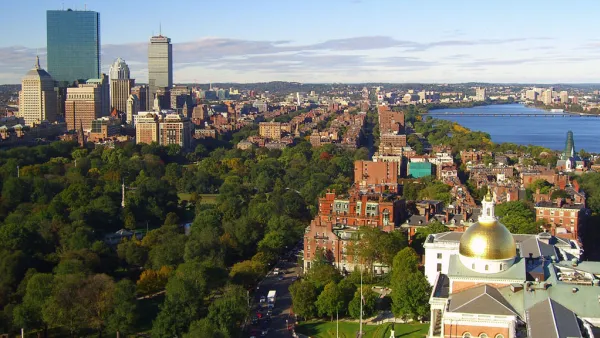
Boston Launches a 20-Year Urban Forestry Plan
The forthcoming Boston Urban Forestry Plan is expected to support communities that have been disproportionately exposed to environmental stressors.
Satellite, Launched Into Space Earlier This Month, to Measure Urban Heat Island Effect
A new satellite, currently residing on the International Space Station and scheduled for deployment in January, will measure and map the urban heat island effect of seven U.S. cities.
Cool Roofs in the Dog Days of Summer
The Dallas Morning New details Dallas' cool roof program, one of the ways the city tries to cool down its heat island effect.
Urban Forestry Managers Need Better Climate Change Data, Report Says
Results of a new survey suggest that there are benefits to be reaped from a focus on climate change.
Denver's November Election Will Answer Big Questions About the Built Environment
The Denver Post gives a preview of some of the big questions facing Denver voters in November.
Climate Change Will Be Worse for Big Cities
Blame it on the urban heat island effect.

Los Angeles' Plan to Cool Down
Los Angeles has a heat problem, and it's getting worse. But the Mayor's Office is taking on the challenge.
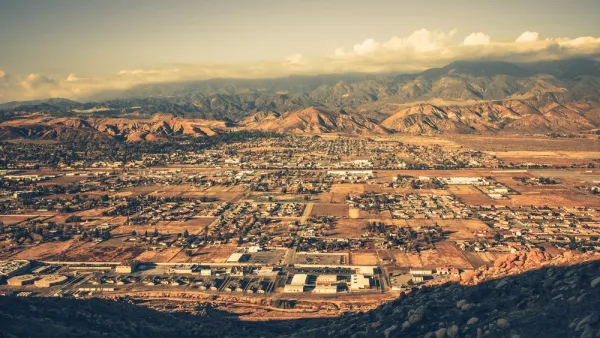
Where Is the Los Angeles Heat Island Effect Most Intense?
No, this is not a trick question. By definition, you'd think the answer is L.A., where the heat is generated, but it's actually San Bernardino, 56 miles to the east. Turns out that like ozone, heat is transported by the wind.

FREE Course: Walkable City 1: Why Walkability?
After describing his path towards focusing on walkability as the essence of good planning, Jeff Speck marches through his five principal reasons for making more walkable places.
Reinventing Malls: Planning Alchemy—Turning Gray Fields Into Gold
The course focuses on the opportunities and imperatives that shape reinvention of mall sites.

KFH Group Inc.
Greater Baltimore Committee
Eagle County Government
The Architects Foundation
University of Cincinnati Online
The Pocatello Development Authority
The Urban Renewal Agency of the City of Pocatello