Infill Development

The 3 Types of Developers and Why the Difference Matters
Developers are frequently cast as a kind of monolithic bad guy in the politics of development, but developers are cut from different cloths, each with distinct interests and motivations.
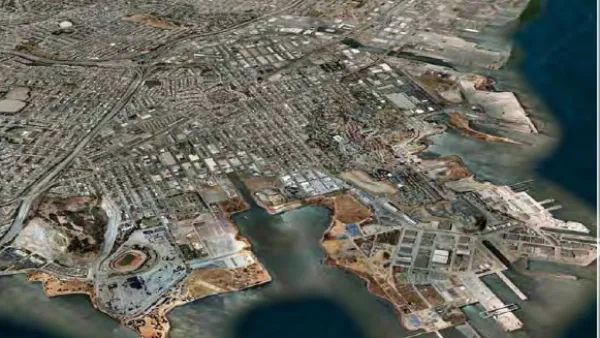
S.F. Bay Area Megaprojects Not Coming to Fruition
Plans for numerous large-scale developments in the region mean thousands of housing units should be on the way, but constant delays and setbacks have left projects nowhere near completion.

In Louisville, Differing Views on Mixed-Use Development
Although a development near downtown Louisville, Kentucky, is moving forward, not everyone agrees it is the best use of the parcel and the right project for the city.
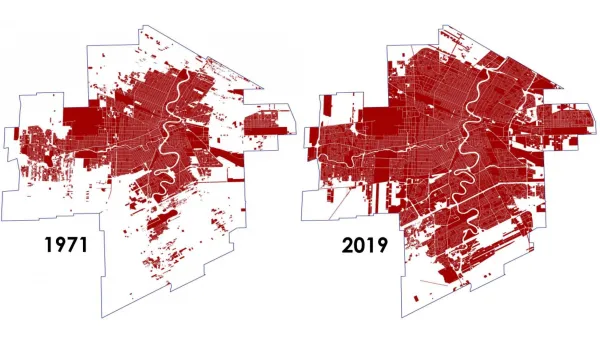
The High Cost of Sprawl
Low density sprawl stretches the tax dollars of every resident. That fact could be used to support plans for more infill density, according to this article set in the city of Winnipeg, Manitoba.

Development Momentum for the East Side of Dallas
In addition to Uber announcing a major expansion to the Deep Ellum neighborhood in Dallas, other projects are popping up all over the East Side of Dallas, including an entirely new community of 40 homes.

Designing Homes for the In-between Spaces
"Leftover lots" are the object of one Philadelphia-based architecture firm's fascination.
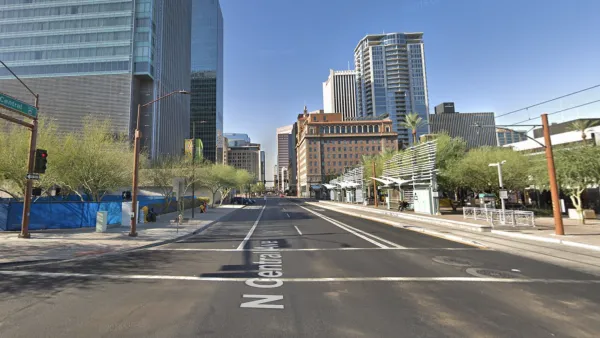
Big Mixed-Use Development Coming to Downtown Phoenix Transit Center
Developers have proposed a large mixed-use project for one of the best development opportunities in Downtown Phoenix.

Seeing the Urban Forest for the Trees
It is important to focus on forests rather than individual trees when evaluating trade-offs between infill and sprawled development.

Making Historic Preservation a Local Concern
The city of Portland wants more local control when it comes to determining matters of historic preservation.

Infill Development Still a Tricky Proposition
Impact fess, also known as growth fees, are creating controversy in the Canadian city of Winnpeg, even as the city prepares new infill development guidelines to quell development controversies in older neighborhoods.
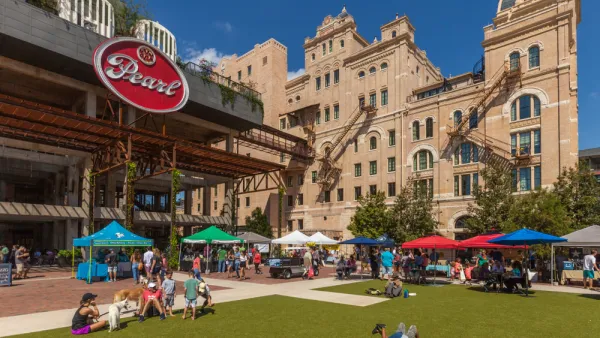
San Antonio's Pear District Rezoned for More Infill
One of San Antonio's most appealing and popular neighborhoods has been rezoned to allow for more urban infill developments.

Editorial: Save Space for Parks in Chicago's Next Big Mega-Development
The 760-acre North Branch Industrial Corridor could be a game changer for the North Side, but the Chicago Tribune wants to make sure that quality of life is considered along visions of economic development.
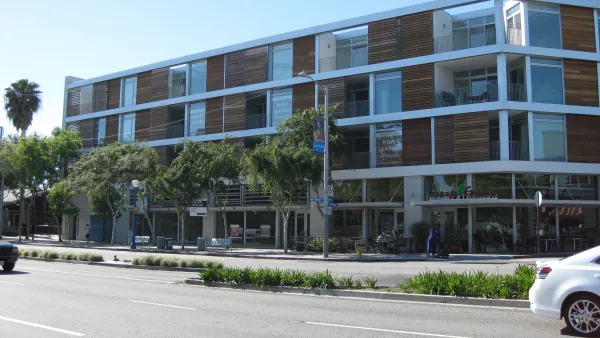
Affordability Trade-offs
Strategies for increasing affordability often involved trade-offs between various goals and impacts. It is important to consider all of these factors when evaluating potential solutions to unaffordability.
Planning Commission OKs ADUs Citywide in St. Paul
The City Council will still have to approve the likely controversial idea of allowing accessory dwelling units citywide in St. Paul, Minnesota.

Editorial Board: The Suburbs Need to Make Room for New Residents
Utah has generally made room for single-family homes in the past, but the Salt Lake Tribune thinks its time for new plans as the state faces demographic changes and worsening affordability.

Study: There's a Lot of Vacant Land in Texas Cities
All that empty acreage means that these big, rapidly developing cities don’t really have to sprawl.

How SB 827 'Cleaved the California Environmental Movement'
Even before the bill was defeated, it exposed a major generational divide between anti-development environmentalists and their pro-density, pro-housing heirs.

Surface Parking Lots Making Way for Higher Uses
Are the urban revival and the future of mobility already rendering parking lots obsolete? Chicago provides a case study of a new generation of skyscrapers rising were cars once parked.
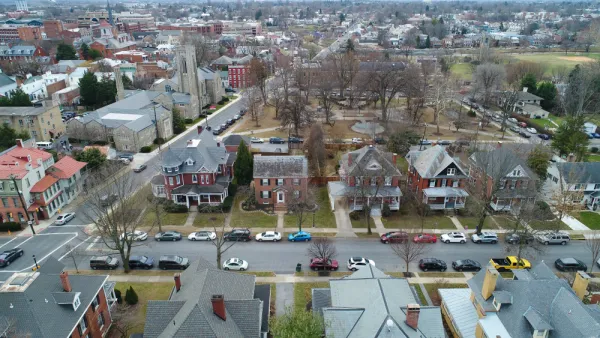
Sprawl and Stagnation—Housing Growth and its Discontents
Mapping housing production over the decades since the 1960s reveals a pattern that must be shifted to achieve the housing growth needed to face the economic and environmental challenges of the 21st century.
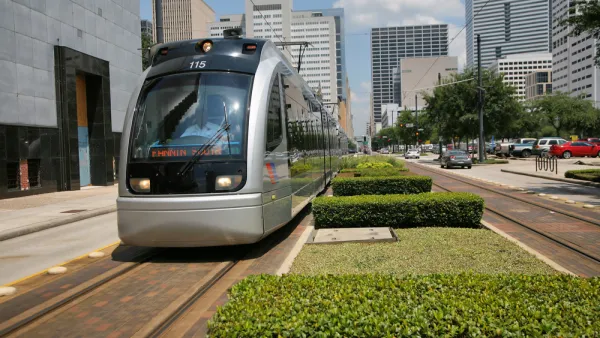
Two Studies Show How Light Rail Benefits Houston
Finally, the city seems to be reaping benefits from a major investment in public transportation.

FREE Course: Walkable City 1: Why Walkability?
After describing his path towards focusing on walkability as the essence of good planning, Jeff Speck marches through his five principal reasons for making more walkable places.
Reinventing Malls: Planning Alchemy—Turning Gray Fields Into Gold
The course focuses on the opportunities and imperatives that shape reinvention of mall sites.

Eagle County Government
Harvard University Graduate School of Design
Nashville Planning Department
The Architects Foundation
University of Cincinnati Online
The Pocatello Development Authority
The Urban Renewal Agency of the City of Pocatello
Journal of the American Planning Association