Infill Development
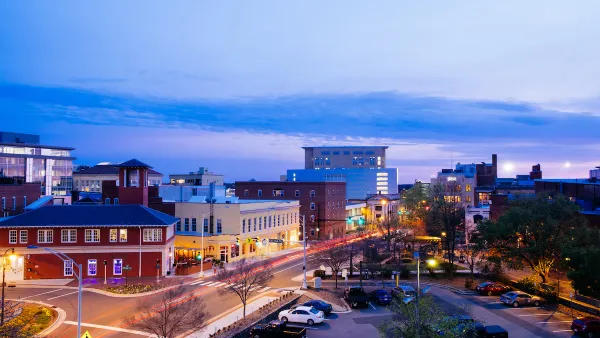
Durham Eliminates Parking Requirements
Another domino has fallen in the parking reform movement.

El Paso Zoning Changes Could Bring Opportunity—or Displacement
Some residents feared proposed zoning reforms aimed at redressing historic injustices could harm residents in the short term.
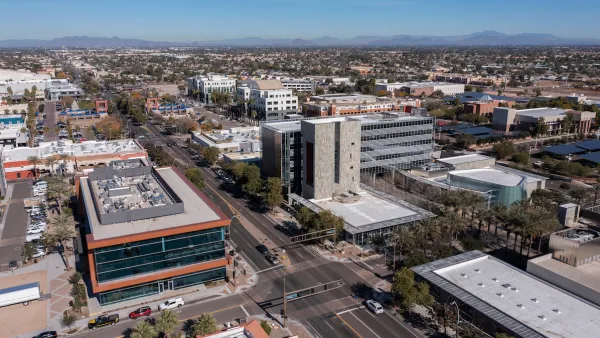
Arizona Town Expands Infill Incentive District
The Chandler City Council voted to add the city’s downtown and other areas to an incentive program that supports infill development.
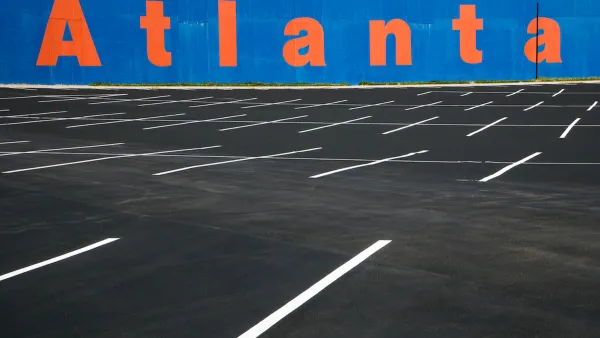
Parking Takes up One-Quarter of Downtown Atlanta
The city’s downtown core devotes an abnormally high percentage of its historic blocks to parking.

Urban Golf Courses: Publicly Subsidized, Privately Enjoyed
City golf courses, paid for by public dollars, are rarely used by the vast majority of residents. Some advocates want to see them opened to the public as parks or repurposed for housing.
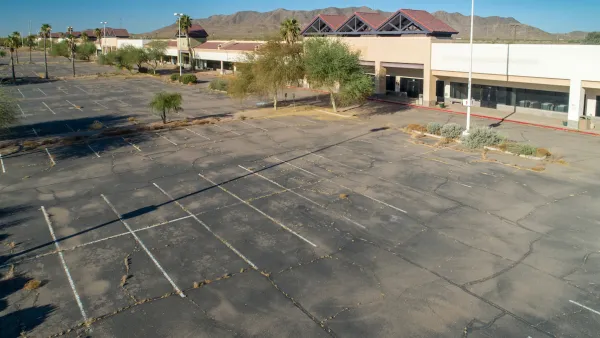
From Department Store to Apartments
A former Sears store has a new life as a housing complex.
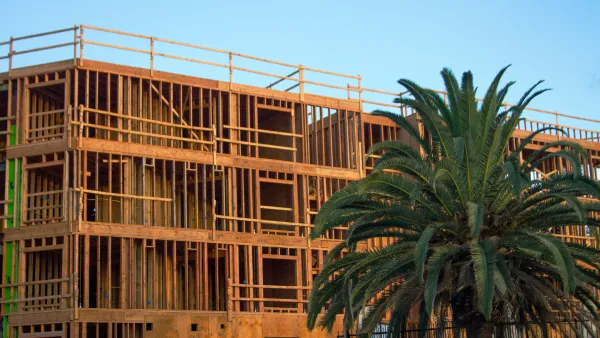
Five Years of California’s Landmark Land Use Law, SB 35
It’s been five years since the California Legislature approved Senate Bill 35 to clear hurdles to housing construction. How much of its intentions has the law accomplished, and what should planners look for in the next few years?
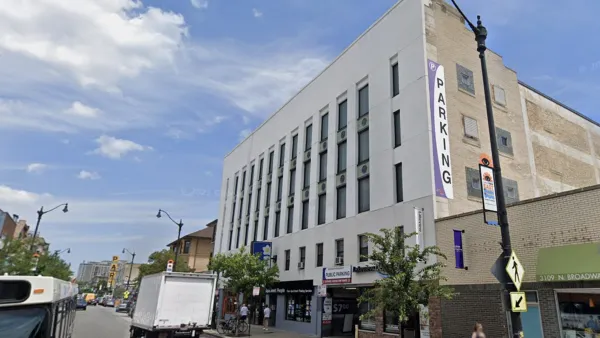
Chicago Garage Becomes 72-Unit Apartment Building
The East Lakeview project is within easy walking distance of local businesses and transit.
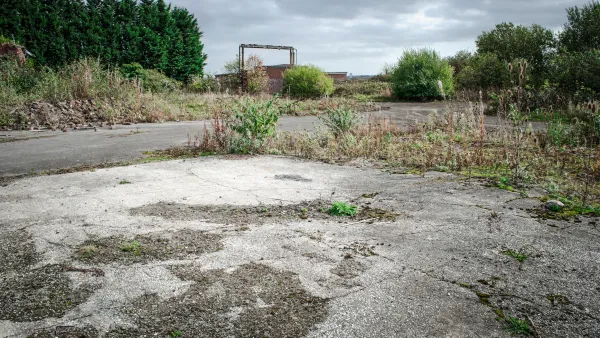
The Double-Edged Sword of ‘Healthfields’
Building hospitals and other health-oriented facilities on former brownfield sites can benefit the community, but can also perpetuate historic inequities and exploit undervalued land at the expense of local residents.
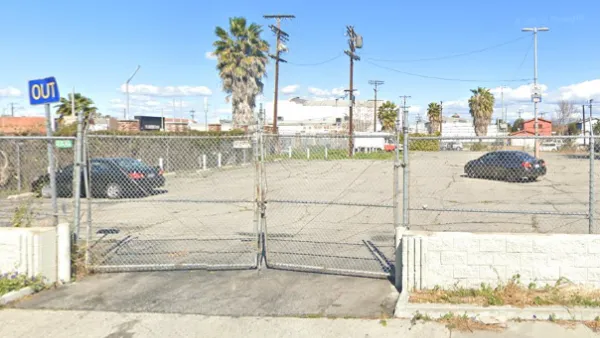
Group Urges L.A. to Build Housing on Vacant Lots
A survey of city-owned vacant lots identifies properties that could be developed into affordable housing or shelter.
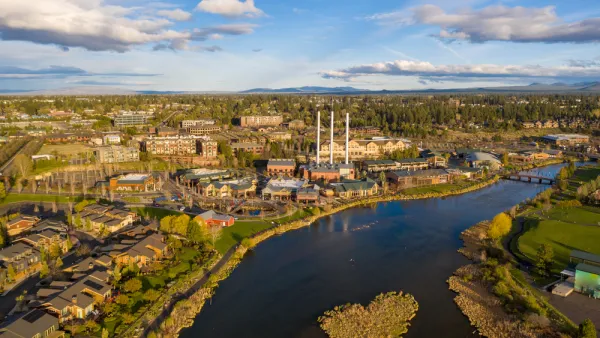
Examining Oregon’s Unique Land Use Laws
Since the 1970s, the state has taken a comprehensive approach to development, regulating land use and urban growth at the state level.

Detroit Mayor Proposes Vacant Lot Tax
A new tax plan would reform the city’s famously low vacancy tax rates in an effort to stimulate more housing development and limit speculation.
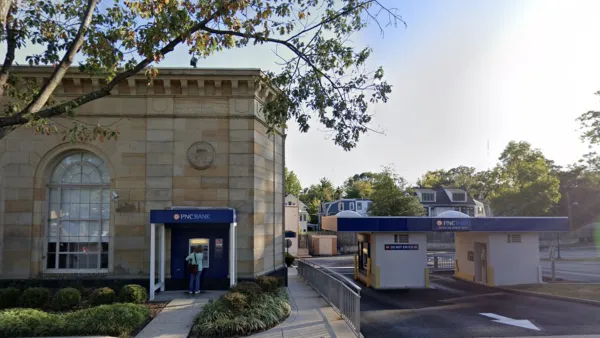
D.C. Preservation Board Includes Parking Lot in Historic Designation
The decision to protect a non-historic parking lot as part of designating an adjacent historic bank building is being derided by critics as another form of exclusionary zoning.

Vacant Lot Development Could Bring 100,000 New Housing Units to Dallas
Building on the roughly 76 million square feet of vacant land already zoned for multifamily housing could create badly needed rental housing units and slow the growth of rent prices.

Los Angeles Reveals New Citywide Adaptive Reuse Proposal
An adaptive reuse ordinance limited to the city’s downtown core helped create roughly 12,000 units of new housing.
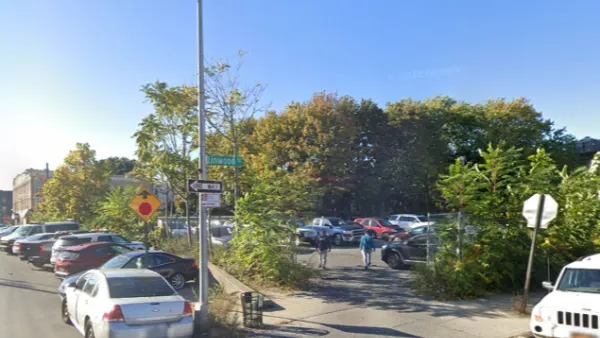
New Yorkers Need Land. NYPD is Sitting on Nearly 150 Lots.
A new map reveals how much land in New York City is being wasted by city police—often sitting vacant, rather than serving the public good.
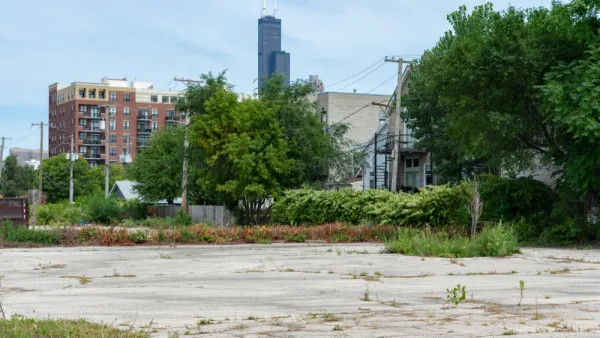
Exploring the Ethics of Private Property Buyouts
Learn more about the various impacts of buying out private property with the intent of furthering urban development.
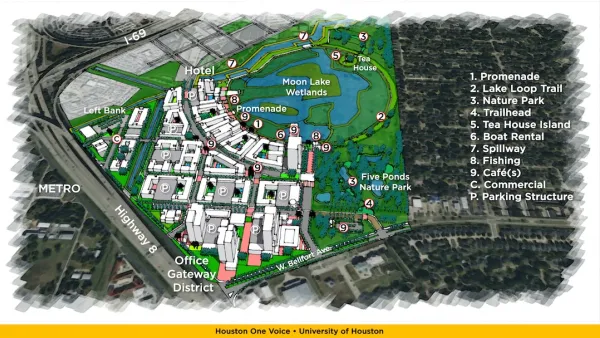
A Mixed-Use Vision for Houston Landfill Site
A local nonprofit is urging the city to consider adding mixed-use development to the site, which city officials plan to turn into a stormwater detention facility.
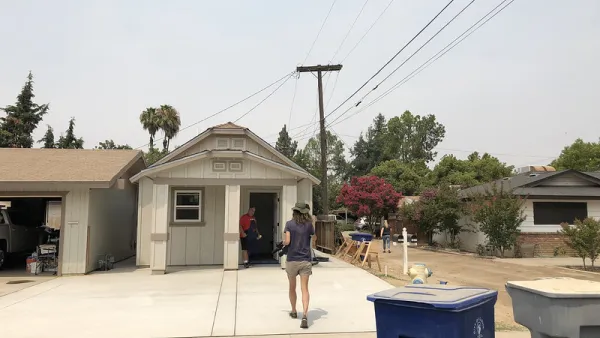
Pre-Approved ADUs Now Available in Sacramento
The city of Sacramento is making it easier to develop accessory dwelling units.

Op-Ed: Housing Solution Lies Within Urban Growth Boundary
Undoing Oregon’s urban growth boundaries won’t solve the state’s housing crisis, an opinion piece argues. Smart growth lies within existing cities.

FREE Course: Walkable City 1: Why Walkability?
After describing his path towards focusing on walkability as the essence of good planning, Jeff Speck marches through his five principal reasons for making more walkable places.
Reinventing Malls: Planning Alchemy—Turning Gray Fields Into Gold
The course focuses on the opportunities and imperatives that shape reinvention of mall sites.

Eagle County Government
Harvard University Graduate School of Design
Nashville Planning Department
The Architects Foundation
University of Cincinnati Online
The Pocatello Development Authority
The Urban Renewal Agency of the City of Pocatello
Journal of the American Planning Association