Social / Demographics
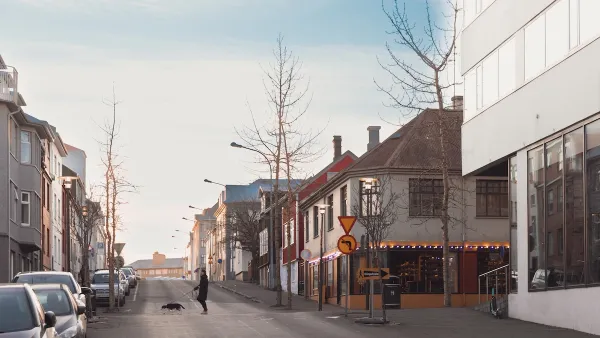
For Advice on Accessibility, Look to Iceland
Cities around the country installed over 1,700 wheelchair ramps in the last five years, thanks in part to one man’s initiative.
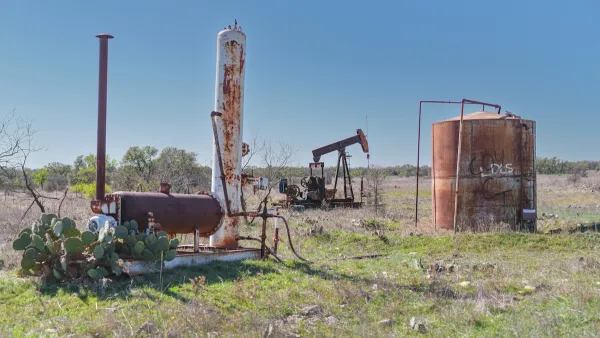
Using Old Oil and Gas Wells for Green Energy Storage
Penn State researchers have found that repurposing abandoned oil and gas wells for geothermal-assisted compressed-air energy storage can boost efficiency, reduce environmental risks, and support clean energy and job transitions.
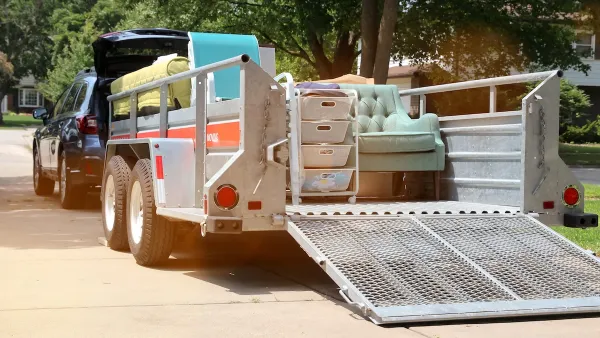
Stuck, Part II: Why Do People Move (Or Not Move)?
Yes, Americans are moving a lot less, but why? In this part of my post, I drill down to try to unearth some of the reasons. It turns out they're complicated.
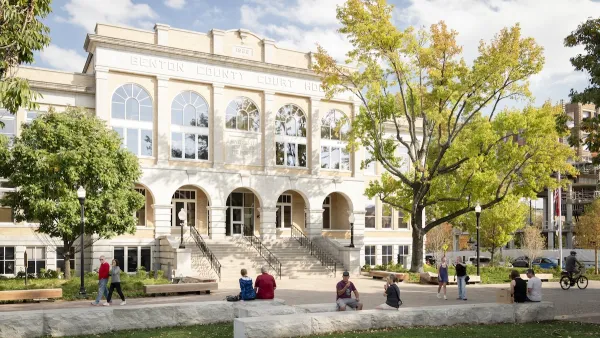
Placekeeping: Setting a New Precedent for City Planners
How a preservation-based approach to redevelopment and urban design can prevent displacement and honor legacy communities.
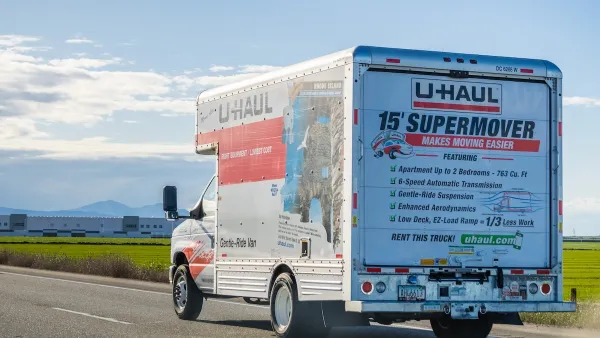
Americans May Be Stuck — But Why?
Americans are moving a lot less than they once did, and that is a problem. While Yoni Applebaum, in his highly-publicized article Stuck, gets the reasons badly wrong, it's still important to ask: why are we moving so much less than before?
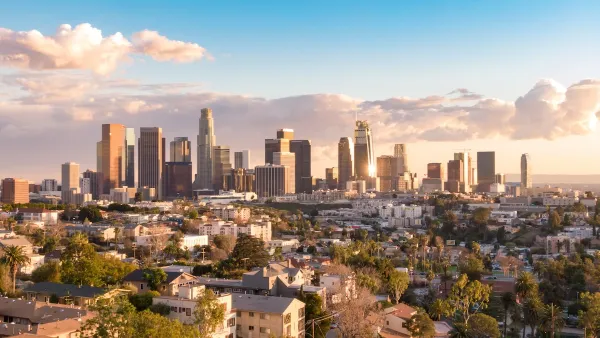
Shaping LA’s Future: Public Voting Opens for LA2050 Grants
The LA2050 Grants Challenge invites Angelenos to vote on the top issues facing Los Angeles, helping direct $3 million in funding to organizations working to build a more connected and resilient region.

How Orphan Oil Wells Threaten West Texas Communities
Abandoned and orphaned oil wells in West Texas are causing costly environmental hazards like sinkholes and leaks, prompting urgent calls for increased funding and regulation to address a growing statewide and national crisis.
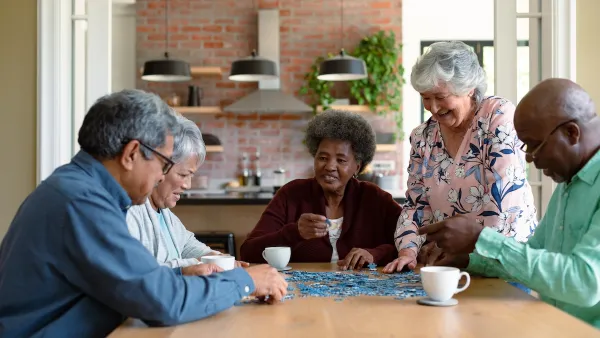
Building Age-Friendly Homes
Designing for the unique needs of elderly people can help them maintain social connections and mental acuity.
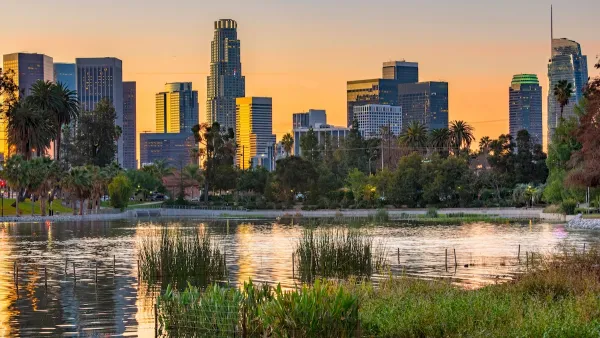
Expanding Green Spaces in Greater LA: Challenges and Solutions
Creating parks and open space in L.A. County requires overcoming land scarcity, high costs, and other challenges through strategic partnerships, innovative multi-benefit designs, and policy reforms to ensure equitable access and sustainability.
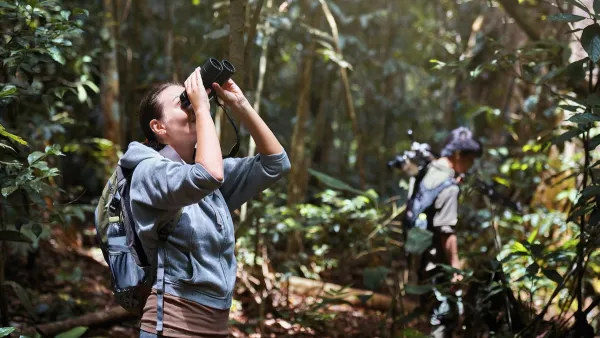
Embracing Spring: Ways to Reconnect With Nature and Find Joy
This spring, reconnect with nature and enhance your well-being through simple activities like observing plants up close, practicing forest bathing, birdwatching, arranging flowers, and starting a container garden.
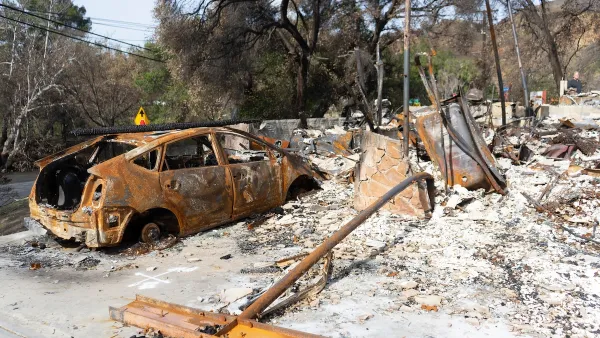
The Unseen Aftermath: Wildfires’ Lasting Health and Emotional Burden
Wildfires in Los Angeles not only pose immediate physical health risks but also lead to long-term respiratory problems and mental health struggles, underscoring the need for a coordinated public health response to mitigate their lasting effects.
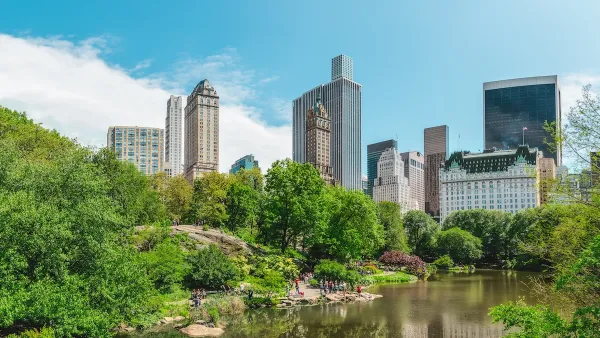
Public Parks as Climate Resilience Tools
Designed with green infrastructure, parks can mitigate flooding, reduce urban heat, and enhance climate resilience, offering cost-effective solutions to environmental challenges while benefiting communities.
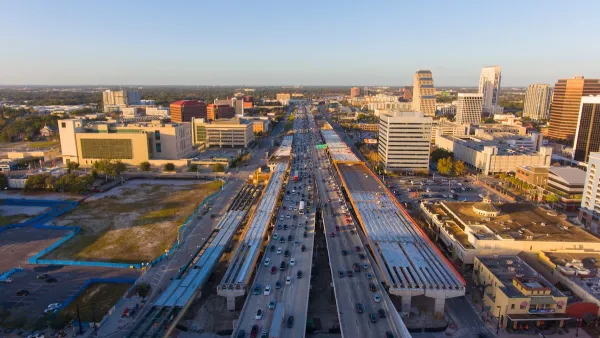
Disconnecting Communities: Measuring the Social Impacts of Freeways
Research from 50 major U.S. cities shows social connections are weakest in neighborhoods where highways are present.
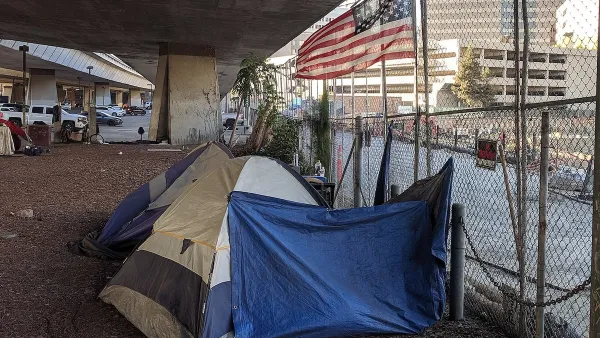
San Jose Mayor Takes Dual Approach to Unsheltered Homeless Population
In a commentary published in The Mercury News, Mayor Matt Mahan describes a shelter and law enforcement approach to ending targeted homeless encampments within Northern California's largest city.
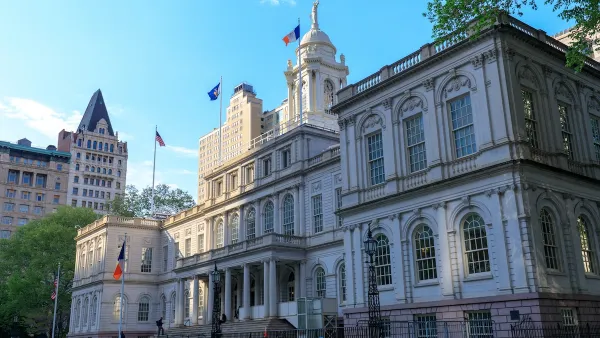
Are Black Mayors Being Pushed Out of Office?
The mayors of New York, St. Louis, and Pittsburgh all stand to lose their seats in the coming weeks. They also all happen to be Black.
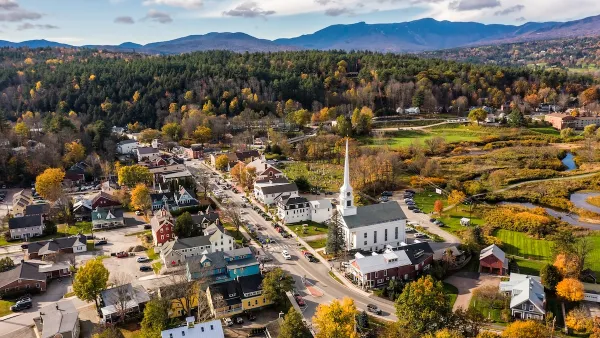
New Data: Rural Remote Workers Concentrate in Recreation Hubs
Remote workers flock to ski towns, hiking spots and other popular recreation hubs.
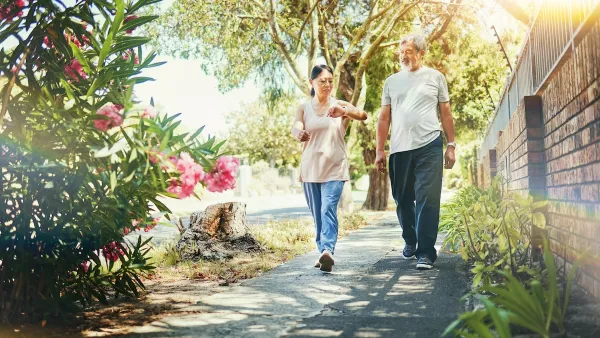
Study: Walkability Can Help Reduce Dementia Risk
Walkable neighborhoods offer natural opportunities to stay active and engaged with friends and neighbors, increasing residents’ chances of remaining mentally and physically healthy longer.
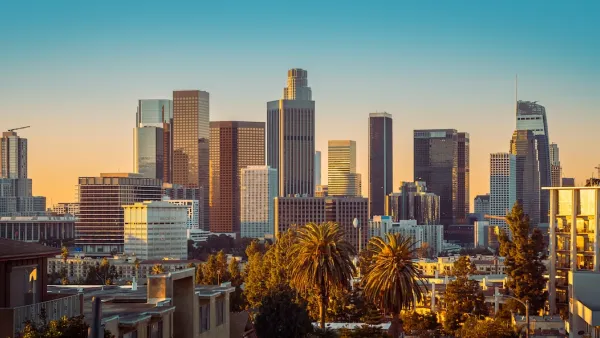
Empower LA: The LA2050 Grants Challenge
The 2025 LA2050 Grants Challenge invites organizations to become outreach partners and help mobilize Angelenos to vote on how $1 million in grants will be allocated to address key local issues like homelessness, income inequality, and park access.

Take a Walk: Why Step Count Is the Most Valuable Fitness Metric
Step count remains the most valuable fitness metric for longevity and well-being, offering a simple yet powerful way to track daily movement, reduce health risks, and promote active lifestyles without reliance on complex data or technology.
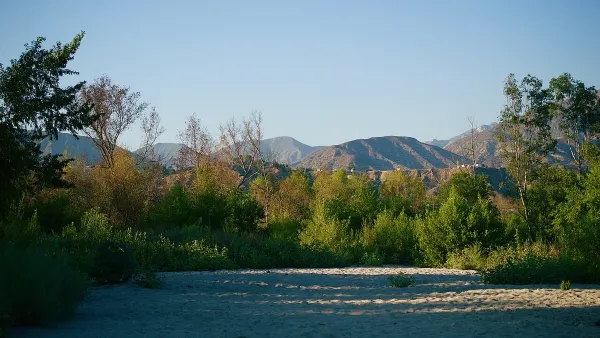
Healing Through Parks: Altadena’s Path to Recovery After the Eaton Fire
In the wake of the Eaton Fire, Altadena is uniting to restore Loma Alta Park, creating a renewed space for recreation, community gathering, and resilience.

FREE Course: Walkable City 1: Why Walkability?
After describing his path towards focusing on walkability as the essence of good planning, Jeff Speck marches through his five principal reasons for making more walkable places.
Reinventing Malls: Planning Alchemy—Turning Gray Fields Into Gold
The course focuses on the opportunities and imperatives that shape reinvention of mall sites.

City of Charlotte
City of Rosemead
Rutgers University, Edward J. Bloustein School of Planning and Public Policy
University of Michigan School for Environment and Sustainability (SEAS)
Hunter College, City University of New York (CUNY)
The Architects Foundation
University District Partnership









