In Houston, investors are snapping up damaged homes that will be dependent on flood insurance.



The Houston Chronicle’s latest long piece about the city’s recovery from Hurricane Harvey is focused on the investors —both individual and those backed by large corporations—who are buying up thousands of homes that were flooded during the storm.
“In the process, they are transforming some Houston neighborhoods into block after block of rentals. They're interrupting county plans to buy out flood-prone properties. And they're leaning on the taxpayer-funded National Flood Insurance Program to protect them from future floods.”
Owners are not required to tell renters that the homes are at risk of flooding, and it’s “unclear,” when the homes are part of larger funds, whether individual investors are told.
The “army of speculators” described in the article have already purchased at least 88 homes that are flood-prone enough that Harris County was looking to buy out the current owners; with a competitive housing market, finding renters will not be a problem.
The potential impact on planning for flood mitigation is significant; the reporters found that investors are already insuring their acquisitions through the flawed National Flood Insurance Program and, in fact, “several have said that such investments wouldn't be possible without the subsidized insurance.”
FULL STORY: In Houston’s flooded neighborhoods, real estate investors see an opportunity

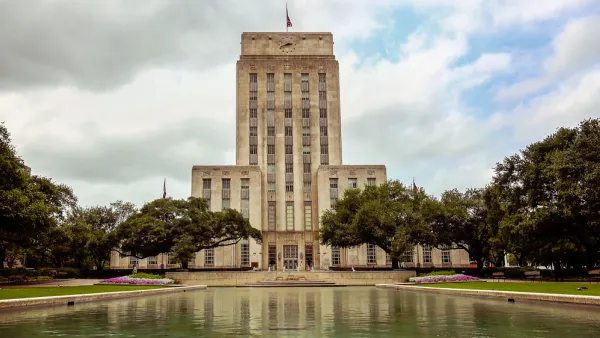
Up and Running: The Speedy Recovery of Houston's City Hall
Following Hurricane Harvey, Houston's City Hall became flooded with four feet of water, rendering the building's electrical and mechanical equipment useless. Restoring power back to City Hall quickly was crucial in aiding the recovery efforts.
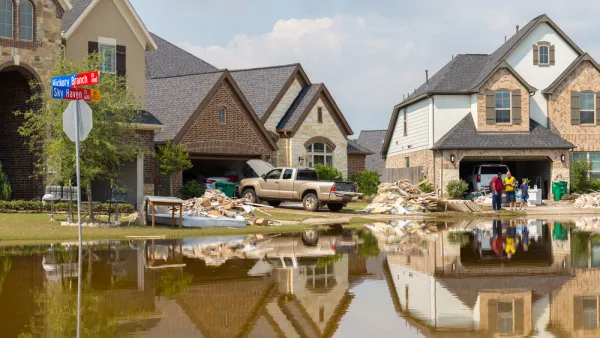
A Year After Harvey, Homes Still Going Up on Houston Flood Plain
Despite the devastation wrought by Hurricane Harvey, builders and buyers alike are sustaining a market for new construction on land likely to get flooded again.
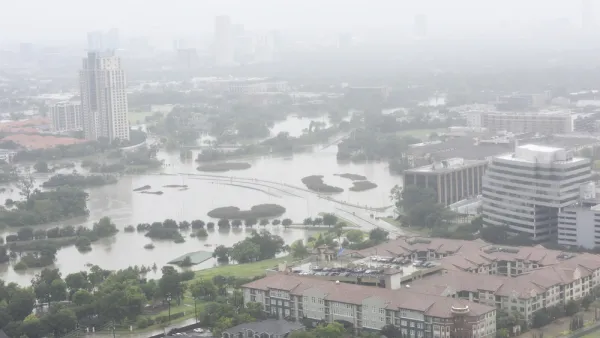
Houston Seriously Tightens Rules on Floodplain Construction
It was the city's "first major regulatory response" to Hurricane Harvey.

The state-sanctioned urbicide of Austin
People don’t kill cities. Freeways do.

US to reduce Colorado River water deliveries to Mexico
A new Colorado Treaty amendment reduces Mexico’s Colorado River water allocation by 250,000 acre feet.

New Jersey’s second-largest city bans standalone data centers
Jersey City will continue to allow co-location facilities, such as those meant for research institutions that store their own data.

Amtrak not solely to blame for New Jersey commuter rail's unreliability, report finds
A new study from the Garden State Initiative found that NJ Transit’s budget grew 20% across a 4 year period, but reliability declined significantly over the same period.

EPA erases limits on planet-warming pollution from power plants
Under Monday’s plan, power plants would still have some limits on how much mercury, arsenic and other contaminants they can emit.

Phoenix announces new on-demand transit service, more frequent RAPID buses
Both new services will launch in October, and are part of Phoenix's Project Effective Access Solutions for Easing Congestion.

FREE Course: Walkable City 1: Why Walkability?
After describing his path towards focusing on walkability as the essence of good planning, Jeff Speck marches through his five principal reasons for making more walkable places.
Reinventing Malls: Planning Alchemy—Turning Gray Fields Into Gold
The course focuses on the opportunities and imperatives that shape reinvention of mall sites.

Eagle County Government
Harvard University Graduate School of Design
Nashville Planning Department
The Architects Foundation
University of Cincinnati Online
The Pocatello Development Authority
The Urban Renewal Agency of the City of Pocatello
Journal of the American Planning Association