Private bikeshare companies have rolled out large fleets of bikes in cities around the world and United States, but despite their ubiquity, dockless bikeshare is actually much less popular than traditional bikeshare.


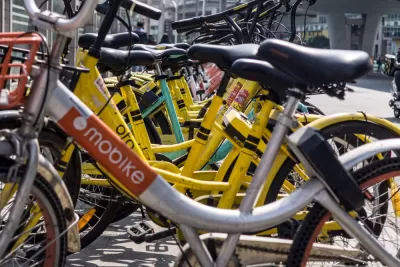
"Dockless bike-share services attracted a lot of attention when they rolled out in U.S. cities last year, but they still have a long way to go before they overtake traditional, station-based systems in ridership," reports Daniel C. Vock.
"Dockless bikes made up 44 percent of all shared bikes on the street last year, but accounted for a mere 4 percent of the trips. In fact, the bikes in station-based systems are used five times as often as those in dockless systems," adds Vock.
The source of that data—a report from the National Association of City Transportation Officials –concludes that dockless bikeshare has yet to move the needle on mobility choices. Although dockless bikeshare companies are operating in 25 U.S. cities, the report also suggests that the low ridership numbers explain the cautious approach by cities to the new dockless bikeshare business model.
FULL STORY: Dockless Bike Shares Made a Big Splash. But Where Are The Riders?

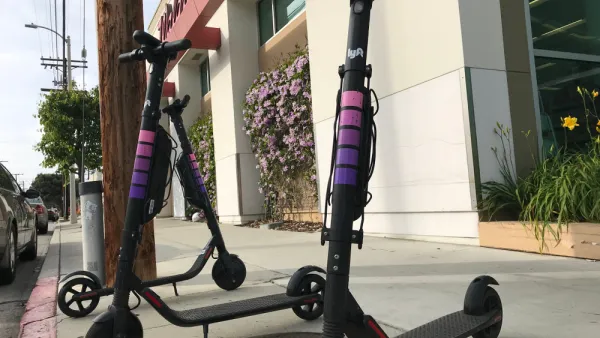
Lyft Pulls Micromobility From Los Angeles Area
The company will no longer provide shared bikes and scooters in the L.A. region, citing a ‘lack of longterm commitment’ from cities.
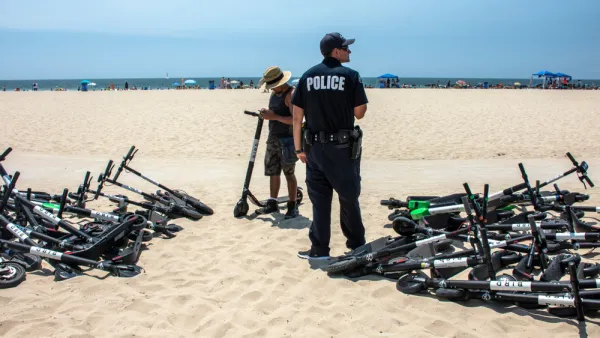
An Atlas of E-Scooter Policies
Introducing the Micromobility Policy Atlas.
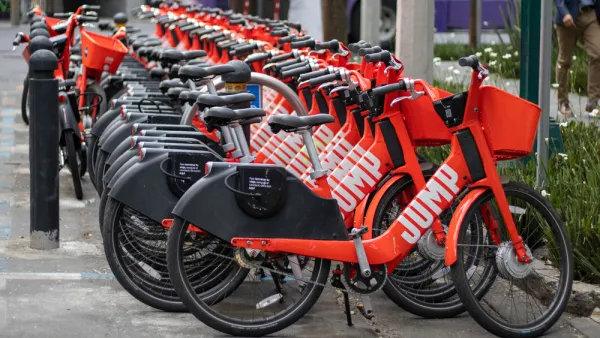
The Fall of JUMP Bikes
An exposé of the dramatic rise and fall of JUMP bikes under the ownership of Uber, in partnership with cities all over the United States.

Planetizen Federal Action Tracker
A weekly monitor of how Trump’s orders and actions are impacting planners and planning in America.

The state-sanctioned urbicide of Austin
People don’t kill cities. Freeways do.

US to reduce Colorado River water deliveries to Mexico
A new Colorado Treaty amendment reduces Mexico’s Colorado River water allocation by 250,000 acre feet.

Mamdani overhauls NYC's Vision Zero plan with 100 new policy goals
The overhaul aims to reduce traffic deaths and make streets safer for pedestrians, cyclists and drivers through lower speed limits, new safety infrastructure and more.

Amtrak not solely to blame for New Jersey commuter rail's unreliability, report finds
A new study from the Garden State Initiative found that NJ Transit’s budget grew 20% across a 4 year period, but reliability declined significantly over the same period.

EPA erases limits on planet-warming pollution from power plants
Under Monday’s plan, power plants would still have some limits on how much mercury, arsenic and other contaminants they can emit.

FREE Course: Walkable City 1: Why Walkability?
After describing his path towards focusing on walkability as the essence of good planning, Jeff Speck marches through his five principal reasons for making more walkable places.
Reinventing Malls: Planning Alchemy—Turning Gray Fields Into Gold
The course focuses on the opportunities and imperatives that shape reinvention of mall sites.

Eagle County Government
Harvard University Graduate School of Design
Nashville Planning Department
The Architects Foundation
University of Cincinnati Online
The Pocatello Development Authority
The Urban Renewal Agency of the City of Pocatello
Journal of the American Planning Association