Bergen County, New Jersey offers a case study in overcoming decades of illegal and exclusionary zoning practices.


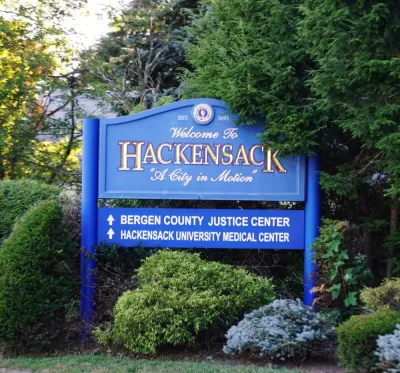
Rev. Gregory Jackson argues in an op-ed that Bergen County, New Jersey—one of the wealthiest counties in the United States. "Municipalities in the county helped secure this status by implementing exclusionary zoning practices that drove hard working families out of these towns – and by doing so, they helped create an affordable housing crisis," writes Rev. Jackson.
Rev. Jackson has noticed a sea change in Bergen County, however, "as more and more Bergen County towns are now taking proactive steps to expand fair housing opportunities." Many of these actions are the results of hard-fought legal actions, but there is reason to be less cynical. According to Rev. Jackson, "145 towns across the state who have signed fair-housing agreements to transition into an inclusive style of planning and zoning."
The remainder of the op-ed takes a closer look at the downtown redevelopment of the towns located in Bergen County.
FULL STORY: Opinion: Bergen towns can build affordable housing


Dallas to Address Inequity in New Land Use Plan
The ForwardDallas plan is part of the city’s effort to make address exclusionary zoning practices, increase affordable housing for all residents, and bring essential businesses and services to more areas.

Arizona Zoning Reform Bills Would Protect Mobile Home Residents
Three proposed bills would increase flexibility in zoning and encourage affordable housing production, particularly near light rail.

Code Reforms to Ease the Housing Crisis
Ten recommendations for zoning code changes that could make housing more affordable.

The state-sanctioned urbicide of Austin
People don’t kill cities. Freeways do.

US to reduce Colorado River water deliveries to Mexico
A new Colorado Treaty amendment reduces Mexico’s Colorado River water allocation by 250,000 acre feet.

New Jersey’s second-largest city bans standalone data centers
Jersey City will continue to allow co-location facilities, such as those meant for research institutions that store their own data.

Amtrak not solely to blame for New Jersey commuter rail's unreliability, report finds
A new study from the Garden State Initiative found that NJ Transit’s budget grew 20% across a 4 year period, but reliability declined significantly over the same period.

EPA erases limits on planet-warming pollution from power plants
Under Monday’s plan, power plants would still have some limits on how much mercury, arsenic and other contaminants they can emit.

Phoenix announces new on-demand transit service, more frequent RAPID buses
Both new services will launch in October, and are part of Phoenix's Project Effective Access Solutions for Easing Congestion.

FREE Course: Walkable City 1: Why Walkability?
After describing his path towards focusing on walkability as the essence of good planning, Jeff Speck marches through his five principal reasons for making more walkable places.
Reinventing Malls: Planning Alchemy—Turning Gray Fields Into Gold
The course focuses on the opportunities and imperatives that shape reinvention of mall sites.

Eagle County Government
Harvard University Graduate School of Design
Nashville Planning Department
The Architects Foundation
University of Cincinnati Online
The Pocatello Development Authority
The Urban Renewal Agency of the City of Pocatello
Journal of the American Planning Association