The National Physical Activity Plan Alliance gave the United States an F for walkability because of its lack of pedestrian infrastructure.



The United States has a long history as a car-centric country. This makes Americans heavier, their streets more dangerous, and, what's more, "America’s car-centric development isn’t doing us any favors, remaining an impediment to higher levels of walking and walkability, a new report shows," Ben Schiller reports for Fast Company.
The National Physical Activity Plan Alliance (NPAPA), which grades cities on their walkability, gave the country a failing grade for walkability. "The U.S. gets an overall F grade for biking and walking projects, because less than 30% of states meet the standard of $5.26 per state resident funding for such infrastructure," reports Schiller.
Read the full story: The U.S. Is Failing At Making Its Communities More Walkable


The number of kids walking to school dropped from over 50% to 11% since the 1960s
Unsafe pedestrian infrastructure makes walking to school dangerous or impossible for a growing number of American students.
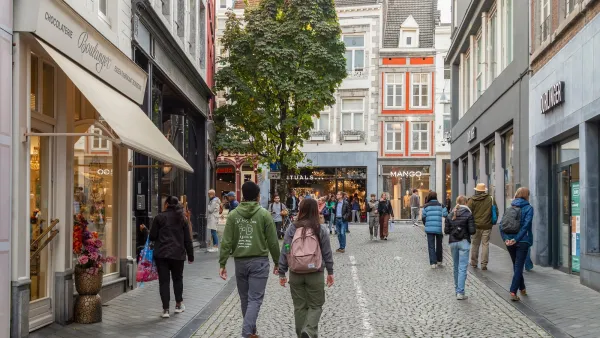
Planning for Love, Part 3: Enhancing human connection through walkability
In the third and final installment of this series, author Hannah Kosoff examines what her research findings say about modern dating and urban form.

Survey: Americans want walkable amenities, but not dense housing
While 64% of Americans say they want walkable amenities, only 44% want to see apartments in their neighborhoods.

Planetizen Federal Action Tracker
A weekly monitor of how Trump’s orders and actions are impacting planners and planning in America.

Amtrak, CN end decades-long dispute with eight-year agreement
The new operating agreement establishes an updated framework for the companies to work together, including processes to resolve disputes.

Colorado’s Largest Data Center Could Rise Next to Homes — Without a Public Hearing
The proposed campus would consume 11 times the power of Denver International Airport; as it has across the country, opposition mounts.

'This is going to be painful:’ Virginia stares down $1.7 billion funding gap for highway maintenance
The state may address the deficit by shifting $290 million from its construction budget to maintenance projects.
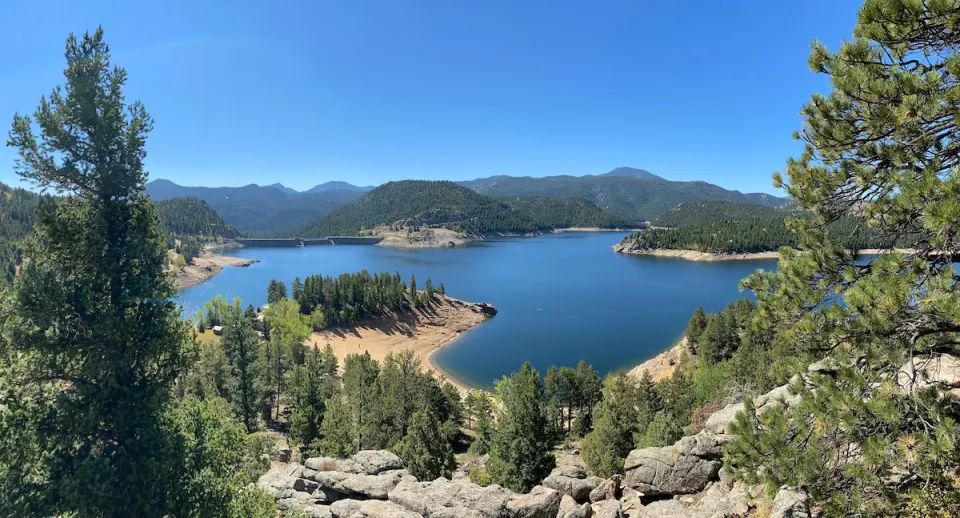
Judges permit Denver to divert 77,000 acre feet from the Colorado River for reservoir expansion
Overuse and climate change have caused the Colorado River’s water levels to plummet.
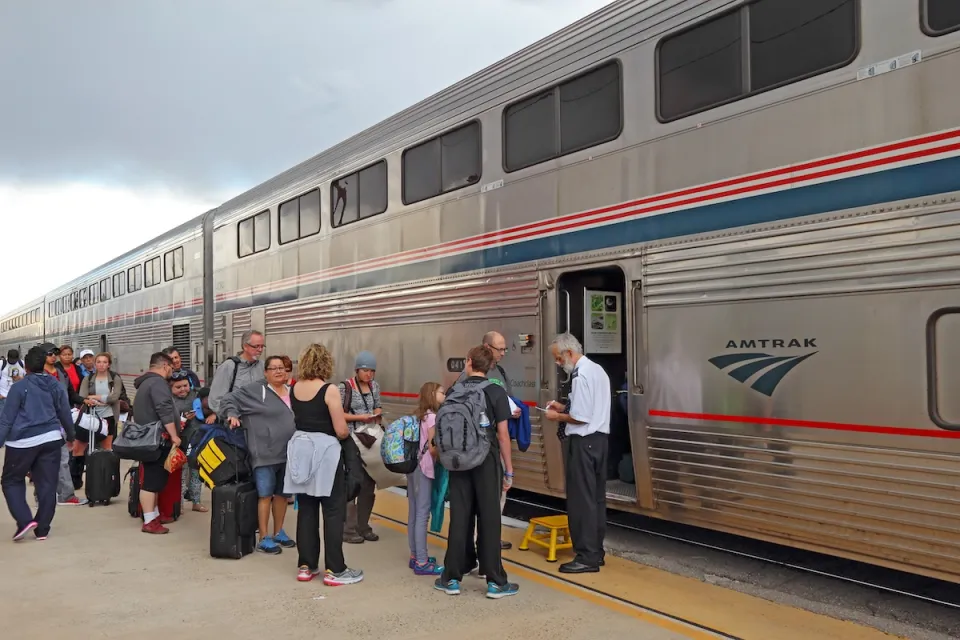
Amtrak, CN end decades-long dispute with eight-year agreement
The new operating agreement establishes an updated framework for the companies to work together, including processes to resolve disputes.

FREE Course: Walkable City 1: Why Walkability?
After describing his path towards focusing on walkability as the essence of good planning, Jeff Speck marches through his five principal reasons for making more walkable places.
Reinventing Malls: Planning Alchemy—Turning Gray Fields Into Gold
The course focuses on the opportunities and imperatives that shape reinvention of mall sites.

KFH Group Inc.
Greater Baltimore Committee
Eagle County Government
The Architects Foundation
University of Cincinnati Online
The Pocatello Development Authority
The Urban Renewal Agency of the City of Pocatello